A hungry young boy walked into my bakery asking for stale bread – little did I know that moment would have a profound impact on both of our lives.
When a hungry child entered Lily's quiet bakery on a cold winter night, she offered him more than just a hot meal. What started as a small act of kindness turned into something transformative for both of them. A delicate and touching story about trust, second chances, and the unexpected ways we find family.
It was almost time to close when the bell above the bakery door rang with its soft, familiar sound. That bell had become my favorite part of the day, a reminder that someone still believed in the comfort of warm bread.
I was cleaning the counter when I looked up and saw him. A boy, maybe 11 or 12 years old, standing right in the doorway. The coat he wore hung loosely over his thin shoulders, the sleeves were torn at the ends, and his shoes were soaked.
He didn’t come all the way in. He stood there, one foot on the doormat, the other still outside, as if he didn’t know whether he had permission to cross the threshold.
For a long moment, he didn’t say anything. He just stared at the floor, as if the linoleum had the answer to the question he was too afraid to ask.
Then he spoke.
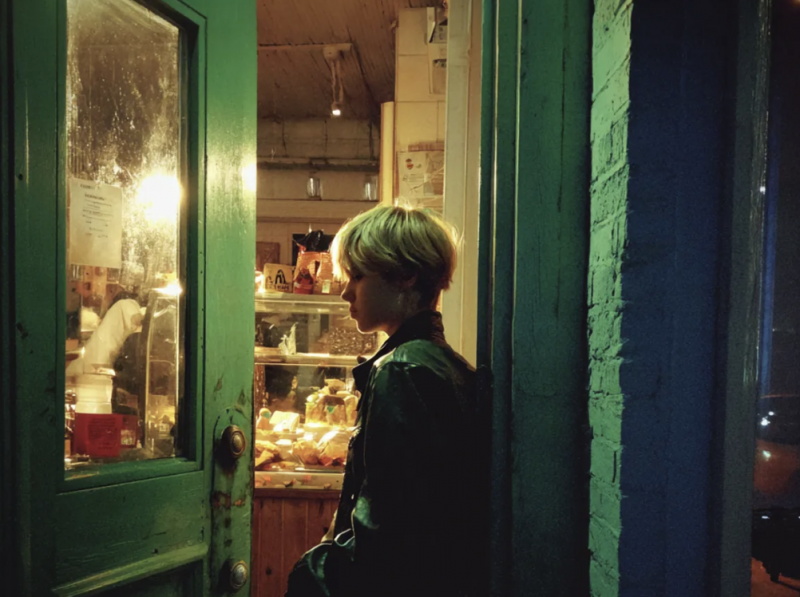
“Miss,” he said softly. “If you have any old bread or yesterday’s bread... could I take one? I haven’t eaten much today and my stomach... it’s growling.”
He spoke as if he had said this a million times. Like he had asked this before, maybe many times. And always with the same careful, calculated calmness, fearful of what the answer might be.
I should have asked where he was from. I should have asked why he was alone, why his clothes were too small, why his words came so cautiously.
But all I could think was:
My God, he’s just a child. And he’s starving.
For a moment, I couldn’t find my voice. There was something in the way he spoke, so soft and cautious, as if he was apologizing just for being there, that tightened my throat. It wasn’t just the words.
It was the way he tucked his fingers into the sleeves, as if his eyes wouldn’t leave the floor.
I went over to the counter and wiped my hands on my apron, trying to keep my voice calm.
“Sweetie,” I said softly. “Come here, sit down for a bit. It’s warmer.”
He blinked, uncertain. His face was expressionless, as though he didn’t know if it was some kind of trick. Slowly, he took a step toward the table near the heater, moving slowly as if he expected someone to stop him.
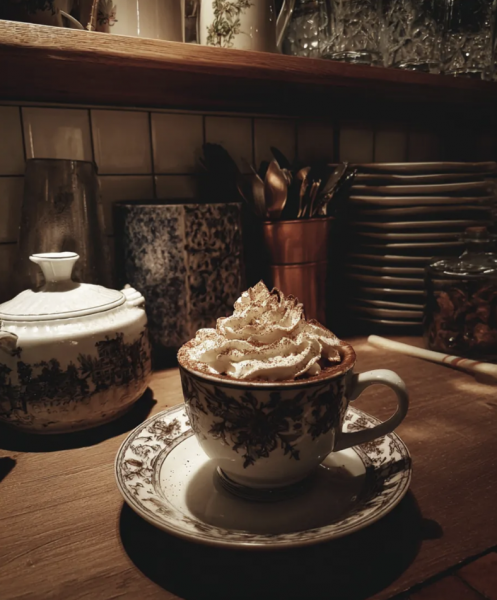
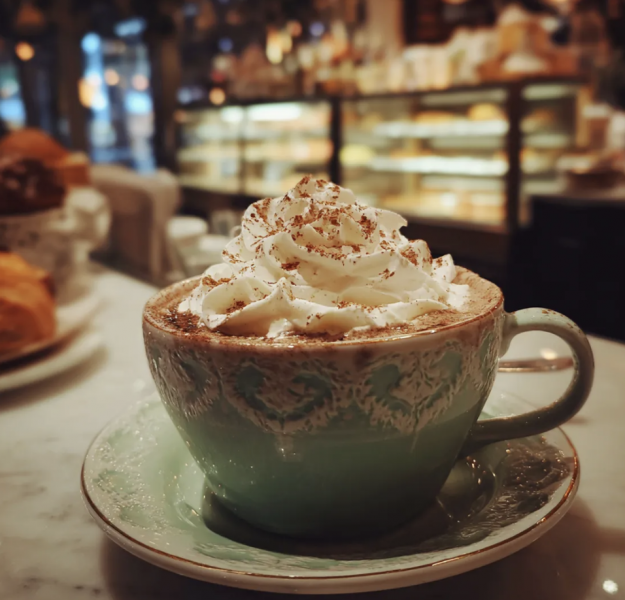
I made him a cup of real hot chocolate, with whipped cream and cinnamon, and placed it in front of him.
“I’m Lily,” I said, trying to sound light. “And what’s your name?”
He hesitated for a moment, as though he was deciding whether he could trust me.
“Marco,” he replied.
“Okay, Marco, today you’re going to have something fresh, kid. No old bread, no cold food... just something fresh and warm.”
“Really?” he asked, looking at me with curiosity in his eyes. “Would you do that?”
“Yes, really. Now, pick whatever you want from the display, okay? You can choose whatever you like, I’ll put it on the plate.”
His eyes scanned the selection of sweets, as if he were memorizing each one. Then he pointed to an apple pastry, a cherry tart, and a chocolate twist.
“Great choices,” I said, nodding as I placed them on the plate. I watched as his eyes followed every one of my movements.
“Thank you,” he murmured. “You’re really kind!”
While he ate, I prepared a paper bag with more bread and the last sandwich I was going to take home. I made myself a cup of coffee while Marco ate. He took small bites, chewing slowly, as though trying to make it last.
When I handed him the bag, his face lit up completely.
“Are you sure? Wow... thank you, ma’am. This really helps.”
“Where’s your mom, dear? Do you have somewhere to stay tonight? Can I take you there?”
Marco’s face immediately changed. He gripped the bag tighter, and a panic appeared in his eyes.
Then he ran out the door, before I could say anything else.
And, as if by magic, the bakery fell silent again.
I stood there for a long while, thinking about calling someone—maybe the police, maybe social services—but something told me that would only scare him off forever.
And I couldn’t let that happen.
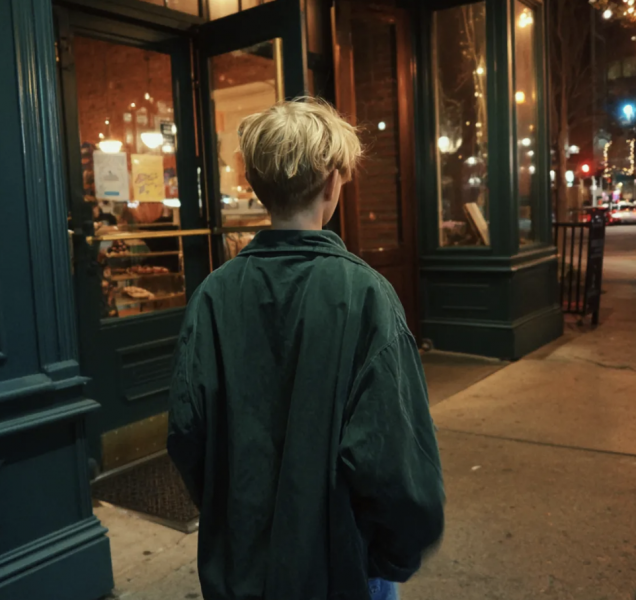
The next night, just before closing, the bell rang again.
I looked up from the napkin shelf, and there he was.
Marco was standing in the doorway, with the same paper bag from the night before, pressed against his chest. His hair was wet, his shoulders seemed even smaller, hunched against the cold. He wasn’t wearing a coat, just the same thin jacket from before.
“Please,” he spoke quickly, before I could say anything. “Please, don’t call the police. Can I trust you?”
The words came out in a rush, as if he had been holding them in all day. His voice trembled on the last question, and my heart clenched.
“Yes,” I answered softly. “You can trust me. I promise.”
Marco didn’t seem to believe me much.
“But why don’t you want me to call anyone?” I asked, gentler this time. “What’s going on?”
“No, ma’am,” he shook his head. “I haven’t done anything. But if they find out the truth, they’ll take me. They’ll put me in a shelter, and I can’t leave my mom.”
That’s when I realized how tightly he was holding the paper bag, his fingers white from squeezing it so hard. He wasn’t afraid of me. He was afraid of losing his mom.
“It’s okay, sweetie,” I said. “Let’s have some hot chocolate and eat something, and you can tell me what’s going on. Okay?”
He hesitated, then nodded.
And, for the second night in a row, I made him a cup of hot chocolate.
Gradually, the story began to come out as we ate croissants.
His mother’s name was Miranda. She was very sick, too weak to get out of bed most days. The way Marco spoke of her, with such care and gentleness, told me everything before he even finished explaining.
She was all he had. And he was terrified of losing her.
“I do what I can,” he said, looking at the floor. “I clean the house. I look for food when I can. Sometimes the neighbors help, but not much.”
I didn’t interrupt. I wanted to ask where his father was or if he had any other family, but he didn’t offer that information. Maybe he didn’t have any.
“If anyone finds out, ma’am,” he continued, “they’ll put me in a home or something. And I don’t care what they say. I’m not leaving her.”
He paused, then looked at me with some hope.
“Do you think... I could work here?” he asked. “I can sweep the floor, wash the dishes, clean the counter, clean the windows. I don’t need money. I just... wanted a little bread for me and my mom.”
His words squeezed my chest. He was so young, but carrying the burdens of someone three times his age.
“Marco,” I said softly, my voice breaking. “I can’t hire you, sweetie. It’s not that I don’t want to—you’re too young for that. But maybe... maybe I could bring some food to your mom. How does that sound?”
His whole body stiffened.
“No. She won’t like it. She doesn’t want anyone to see her like this.”
I nodded, letting the silence take over. I understood.
So I didn’t insist. Instead, I prepared another bag that night—extra bread, a jar of soup, croissants, and some soft cookies—and handed it to him with a quiet smile.
“Come back whenever you want, Marco,” I said. “Okay?”

He started showing up every two or three days, always just before closing. Sometimes, he would talk a little about his mother, about how much she liked warm bread more than sweets, or how the heater in their apartment would stop working when it snowed.
Other nights, he stayed quiet. And on those nights, he stopped asking questions. He didn’t owe me any explanations. Instead, he made sure he never left without a bag full and something warm in his hands.
Then, one night, about three weeks after he first came in, Marco appeared at the door with a small, shy smile on his lips.
“My mom,” he said. “She wants to meet you.”
“She wants to? Really?”
“Yes,” he nodded. “My mom said it’s the least she can do. You’ve helped us, and she wants to thank you.”
I closed earlier that night, packed a basket with fresh bread, rolls, and a thermos of soup I’d made the night before, and followed him through the darkening streets. We walked past closed stores and still windows, into a part of the city where the buildings were leaning from the weight of time and age.
The building they lived in was tired, with cracked bricks and a faint smell of dampness.
He led me up a narrow staircase to a small room that looked more like a memory than a home. A simple bed against the wall, near a worn dresser and a dying heater.
A woman was lying on a thin blanket, her face pale but her eyes alert.
“Hello, I’m Lily,” I said, approaching with a small smile.
“I’m Miranda,” she replied, with a hoarse voice. “Marco, go wait for a moment in the hallway. We need to talk.”
Marco looked at me, then at his mother. He nodded once and went out into the hallway. When he left, Miranda looked at me directly, her clear eyes unwavering.
“I’m dying,” she said quickly. “Stage four, Lily. We tried everything, but nothing worked.”
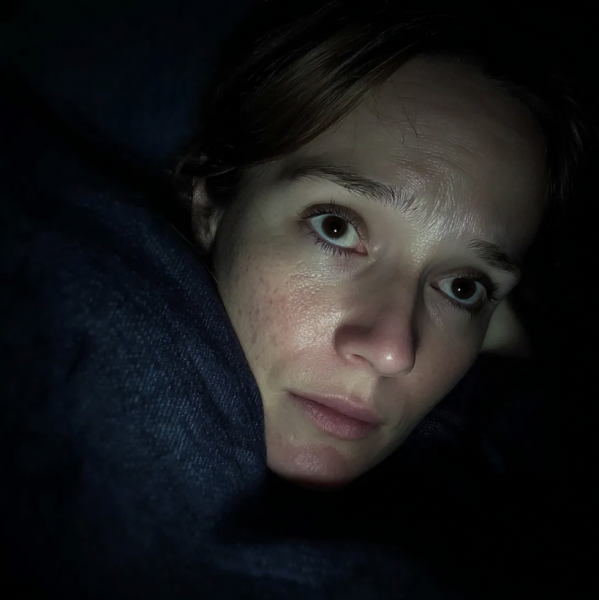
I swallowed, my hands tightening around the basket.
“I didn’t know what to expect,” she said. “But Marco told me you were kind, that you listened to him... that you never treated him like a problem.”
I nodded slowly, unsure of what to say.
“Do you have children, Lily?”
I shook my head.
Her voice softened, but her words didn’t waver.
“Then, I’m asking you, Lily. Take care of him. Take him to your house. He’s going to need someone, and soon.”
I couldn’t speak. I just sat beside her as she held my hand.
“The social worker is coming tomorrow. At 5. I’ll talk to Marco today, I promise. But please... please, he’s here. My son trusts you like he only trusts me. There’s no one else... it’s just us two.”
That night, I hardly slept.
I stayed in bed, watching the shadows move on the ceiling, Marco’s voice still ringing in my ears. I saw his face, the way he was that first night, with wet shoes, the desperate silence... and now, how he looked at me before I left his house.
As if I were the only safe place. As if it were already my responsibility.
I thought of my grandmother’s kitchen. The smell of yeast and flour, the soft hum of something warm rising in the oven. I used to think that was what security felt like. But maybe that was it — maybe it was a child with hope, and a woman trying to be brave enough to offer a home.
The next night, when I went back to Miranda’s apartment, a man from social services was already there. He was near the heater with a worn leather folder under his arm.
“I’m Spencer,” he said, smiling kindly. “We spoke briefly on the phone. Miranda told me about what she wants, and I’m here to put that in writing.”
Marco was next to Miranda, holding her hand. When he saw me, he let go of his mother’s hand and slowly came up to me.

“My mom says you’re going to take care of me until she gets better,” he said. “And that you’re going to be my mom for a while. Thank you.”
I couldn’t hold it in. I just bent down and opened my arms, and he stepped into them.
That night, Spencer took him to start the paperwork.
Two weeks later, he came home, as my adopted son.
Miranda was transferred to the hospital for treatment. The doctors didn’t make promises, but they were willing to try something new, an expensive, experimental, and uncertain clinical protocol.
She sold everything she had, without hesitation: the old car, the furniture, even her grandmother’s necklace, and she told me she wanted to use the money for Marco’s future.
“It’s just something for college, Lily. Or maybe a savings account. Anything he needs.”
“Just focus on getting better,” I told her. “I know there are no guarantees, but... an opportunity is an opportunity. Spend every penny on the treatment. I’ll take care of him.”
Miranda didn’t argue. She just looked at me and smiled weakly.
“I trust you, Lily.”
Marco went back to school. I remember how nervous he was on his first day. He held the straps of his backpack as if they were lifelines.
“What if they ask about my mom?” he whispered.
“Then you tell them she’s fighting to stay strong,” I said. “And you say your Aunt Angel makes the best packed snacks in the city.”

That made him smile. “Aunt Angel” was the nickname he gave me one night, while he was struggling to fall asleep.
Marco made friends. Real ones. He brought drawings of the bakery, with stick figures and the labels “Aunt Angel and Me.”
I cried the first time I saw one of those drawings stuck to the wall of the bakery, next to the daily menu. At one point in my life, I was convinced I wanted children, but that never happened.
Marco came into my life and changed all of that.
Every weekend, we visited Miranda. Sometimes she was sleeping. Other times, she was strong enough to sit up and stroke Marco’s hair while he told her about school.
The color started to return to her face, and after a few months, Chad, the chief oncologist, pulled me aside.
“Lily, Miranda is responding to the treatment,” he said. “It’s slow, but we’re cautiously optimistic.”
Eventually, Miranda started walking again. First, around the hospital room. Then, down the hallway with the help of a nurse. Marco cried the day she got up on her own. I did too.
She stayed with me for almost two and a half years. She grew taller, louder, and funnier. When the court restored Miranda’s custody rights, Marco was almost 15 years old.
We celebrated at the bakery, with the air filled with sugar and laughter. I gave him a bag of freshly baked chocolate breads.
“You won’t forget me,” I joked.
“I could never. You saved us, Aunt Angel,” he said.

Now, years later, they still visit us every Sunday.
Sometimes, Miranda brings fresh flowers, yellow daisies or white tulips, and she cleans the windows of the bakery while I fill a box with bread. Marco brings stories, not just about school, but about homework deadlines, dreams, and hopes for the future.
Chad joins them frequently. He still wears that navy blue jacket, even when it’s hot. He smiles at me through the counter.
The bakery is still small, still warm. The old brass bell, already worn from use, still rings every time the door opens. And sometimes, for a second, I look up, expecting to see Marco as he once was — cold, exhausted, with a paper bag, as if it were all he had.
“Have you thought about that first night?” I asked him once.
“Yes, always, Aunt Lily,” he said. “That night changed everything.”
And I knew exactly what he meant. Because the warmest thing I’ve ever done wasn’t the bread.
It was a home for a child who needed it most.