

AI in Healthcare: How Artificial Intelligence is Revolutionizing
Artificial intelligence (AI) is rapidly transforming the landscape of healthcare, ushering in a new era of diagnosis and treatment that promises to be faster, more accurate, and more personalized than ever before.
Traditionally, medical diagnosis has relied heavily on the expertise and experience of healthcare professionals, who interpret symptoms, lab results, and imaging to identify diseases.
However, the sheer volume of data generated by modern medical technology often exceeds human capacity for analysis.
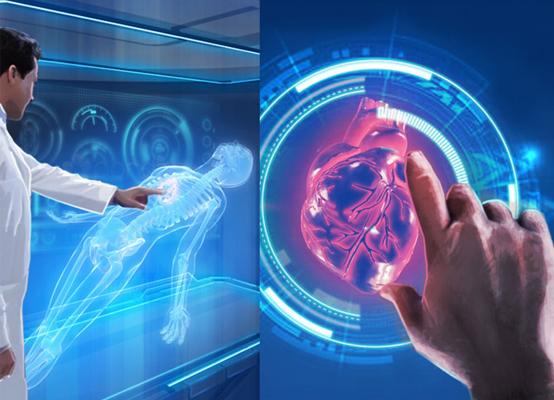
This is where AI steps in, leveraging advanced algorithms and machine learning to process vast amounts of information in seconds, uncovering patterns that may elude even the most experienced clinicians.
One of the most profound impacts of AI in healthcare is its ability to enhance diagnostic accuracy. By training on millions of medical images, electronic health records, and genetic data, AI systems can identify subtle markers of disease with remarkable precision.
For example, in radiology, AI-powered tools assist in detecting early signs of cancer, such as lung nodules or breast lesions, often earlier than traditional methods. This early detection is crucial as it can significantly improve patient outcomes by enabling timely interventions.
Moreover, AI algorithms are continuously learning and improving, meaning their diagnostic capabilities will only become sharper over time.
Beyond diagnostics, AI is revolutionizing treatment strategies by enabling truly personalized medicine. Every patient is unique, with differences in genetics, lifestyle, and environmental exposures influencing how diseases manifest and respond to therapies.

AI models can integrate this complex data to predict which treatments are most likely to succeed for individual patients, minimizing trial-and-error approaches and reducing adverse effects.
For instance, in oncology, AI-driven analysis of tumor genetics helps oncologists select targeted therapies tailored to the specific mutations driving a patient’s cancer, improving survival rates and quality of life.
AI also enhances the efficiency and effectiveness of healthcare delivery. Virtual health assistants powered by AI can monitor patients remotely, providing real-time feedback and alerting medical teams to any concerning changes.
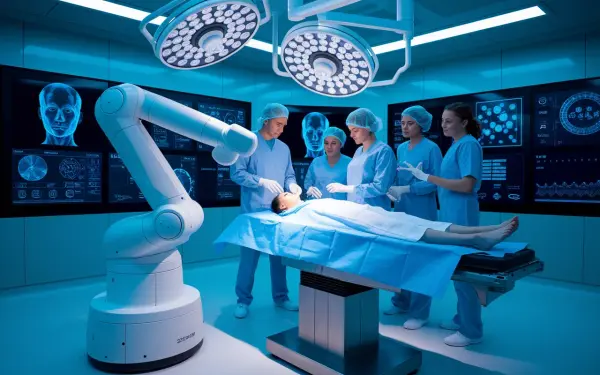
This continuous monitoring is particularly valuable for managing chronic diseases like diabetes or heart failure, where early intervention can prevent hospitalizations. Additionally, AI-driven robotic systems are assisting surgeons by providing real-time guidance and precision, reducing the risk of complications during complex procedures.
Ethical and regulatory challenges remain as AI becomes more embedded in healthcare. Issues such as data privacy, algorithmic bias, and transparency must be carefully addressed to ensure these technologies are used safely and equitably.
Nevertheless, the potential benefits of AI are immense. As AI continues to evolve, it promises to not only improve diagnostic accuracy and personalize treatments but also to democratize access to high-quality healthcare by bringing expert-level analysis to underserved regions.
In conclusion, artificial intelligence is no longer a futuristic concept but a present-day reality reshaping how medicine is practiced.
By augmenting human expertise with powerful computational tools, AI is enabling earlier diagnoses, tailored therapies, and more efficient care delivery.

This revolution in healthcare not only holds the promise of better patient outcomes but also a more sustainable, accessible, and equitable healthcare system for all.


