

Apple introduces the iPhone 16e: A more affordable model with advanced AI and custom 5G technology
Apple unveiled a new, more affordable version of the iPhone 16 on Wednesday, named the iPhone 16e, signaling its renewed focus on the budget smartphone segment.
This model also marks Apple’s first iPhone to feature a cellular modem designed entirely by the company, making it the least expensive iPhone that currently supports Apple Intelligence.
Priced at $599, the iPhone 16e will be released on February 28.
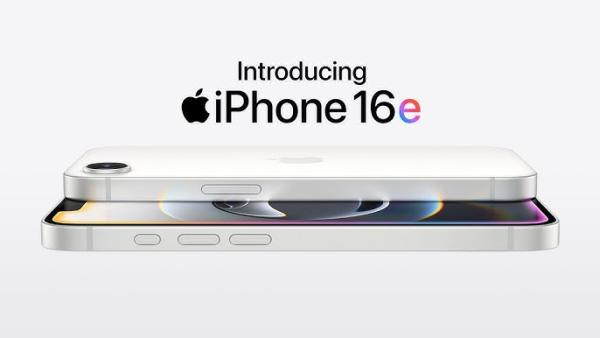
Integrating Apple Intelligence into a more budget-friendly iPhone could prove crucial in making the company’s AI-powered tools more accessible to a larger audience. In recent years, Apple has faced stiff competition from Google and Samsung, both in the affordable smartphone market and in artificial intelligence.
For instance, Google’s Pixel A-series, which is more affordable, has received positive reviews, and both Google and Samsung have focused on incorporating new AI features into Android devices over the past year.
This launch also signifies a shift away from the iPhone SE, Apple’s budget-friendly iPhone line introduced in 2016 and last updated in 2022.
Research firm Consumer Intelligence Research Partners reports that the iPhone SE represented just 5% of iPhone sales in the U.S. by December 2024, reflecting its small market share.
While the iPhone 16e is more expensive than the SE, it may appeal to consumers looking for a device that resembles Apple’s newer models. The iPhone SE was the last iPhone to feature the classic home button and front-facing fingerprint sensor, a design element Apple moved away from with the iPhone X in 2017.
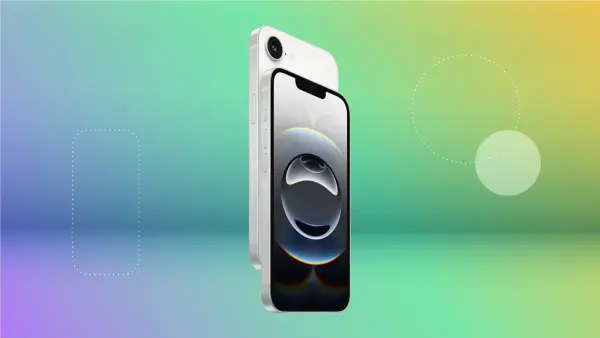
Apple CEO Tim Cook teased the launch of the new device in a social media post on February 13, announcing a new “member of the family” would be revealed on February 19.
Apple claims that the iPhone 16e’s new 5G modem is the most power-efficient modem ever put in an iPhone. This modem arrives more than five years after Apple acquired most of Intel’s smartphone modem business in 2019.
By developing its own modems, Apple reduces its reliance on external partners, gaining more control over the product development process and timing of releases.
The iPhone 16e represents a much-needed upgrade to Apple’s affordable iPhone lineup. The iPhone SE, priced at $429, looked similar to the seven-year-old iPhone 8 and lacked many features common in newer models, such as face unlock and a nearly edge-to-edge screen.
Following the announcement on Wednesday, the iPhone SE is no longer available for purchase on Apple’s online store.
In contrast to the SE, the iPhone 16e shares many features with the iPhone 16, bringing it up to date with Apple’s current smartphone range. Both phones have a 6.1-inch display, Face ID, a 48-megapixel camera, and the new Action button for customizable shortcuts.
However, the iPhone 16e is priced lower and lacks a second camera for wide-angle shots, as well as the Camera Control button for quick camera access.
The iPhone 16e is powered by the same processor as other iPhone 16 models, allowing it to support Apple Intelligence.
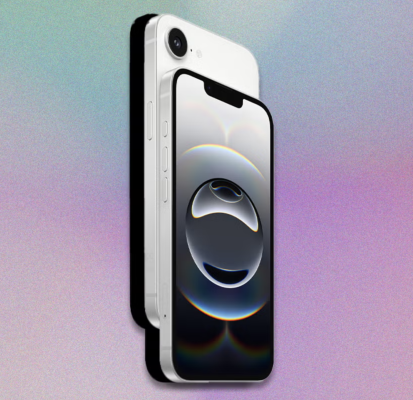
Apple Intelligence, which until now has only been available on the iPhone 16 series, the iPhone 15 Pro and Pro Max from 2023, and certain iPads and Macs, is a collection of AI-based features, including the ability to generate emojis and images based on prompts, summarize notifications, remove objects from photos, and even integrate ChatGPT with Siri.
The widespread success of ChatGPT, following its release in late 2022, sent shockwaves through the tech industry, pushing companies like Microsoft, Google, and Samsung to integrate generative AI into their products.
However, Apple has been regarded as a latecomer to the consumer-facing AI space. Although the company has long used AI to enhance features like camera modes, it only started rolling out Apple Intelligence in the fall of 2023.
The arrival of Apple Intelligence on a more affordable device like the iPhone 16e suggests that the company views AI as a central component of its future product offerings.
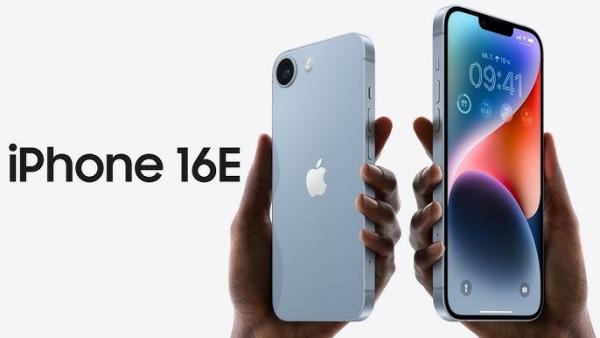
As major tech companies position generative AI and chatbots as the next big evolution in consumer technology, it remains to be seen if features like Apple Intelligence will be compelling enough to drive smartphone upgrades, especially given that Apple’s iPhone revenue fell short of Wall Street’s expectations in its fiscal first quarter of 2025.


