

Cracking the Code: How the Human Genome Project Transformed Medicine and Science
In the early 1990s, a groundbreaking scientific endeavor set out to answer some of the most fundamental questions about human biology. What makes us who we are?
Why do some diseases run in families? Could we one day predict, prevent, or even cure illness by understanding our genetic makeup? These questions all pointed to one place: the human genome.
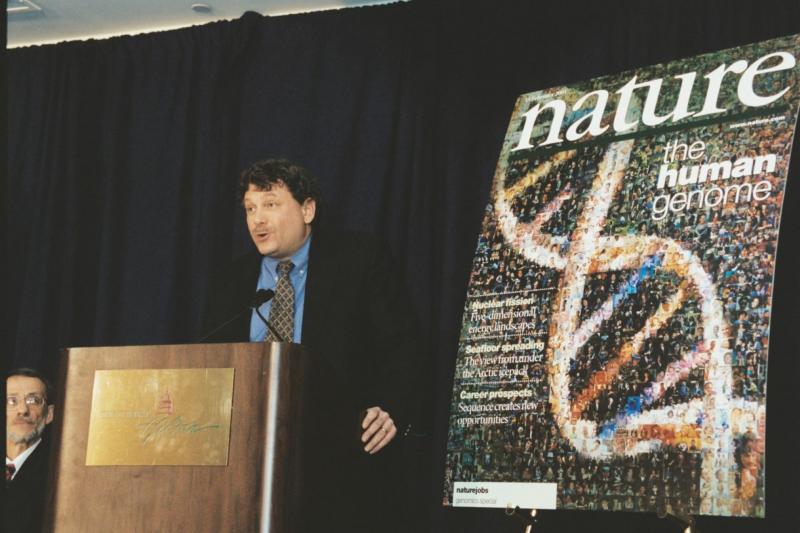
To find the answers, scientists launched the Human Genome Project—an ambitious and historic effort to map the complete sequence of human DNA.
The project officially began in 1990 with the goal of decoding all 3 billion DNA base pairs that make up human genes. At the time, the idea seemed nearly impossible. The human genome was vast and mostly unexplored, and the technology to read it was still in its infancy.
Yet, the potential benefits of unlocking this biological code were too significant to ignore. Scientists hoped that by understanding the full genetic blueprint of a human being, they could revolutionize medicine, offering better diagnoses, targeted treatments, and new ways to study diseases at their root.
The Human Genome Project quickly became a global collaboration, involving scientists from the United States, the United Kingdom, Japan, France, Germany, China, and other countries.

It was publicly funded and led by institutions like the National Institutes of Health and the Department of Energy, though it also spurred competition with private companies eager to profit from genetic data.
Despite early concerns about ownership, access, and ethics, the public and private efforts eventually found ways to align, which helped speed up progress significantly.
By 2003, two years ahead of schedule, the Human Genome Project was declared complete. For the first time, scientists had a full map of the human genetic code. The information was made freely available to researchers everywhere, a decision that ensured global access to what would become one of the most important scientific resources in history.
The results changed medicine forever. Researchers could now identify the genetic causes of thousands of diseases more accurately and quickly. Testing for inherited conditions became more reliable, and doctors gained new tools to diagnose illnesses before symptoms even appeared.

Perhaps the most exciting development was the rise of personalized medicine—treatments tailored to a person’s unique genetic profile. Instead of prescribing a general drug that might not work for everyone, doctors could begin to match treatments to individual patients based on their DNA.
This shift also led to the growth of entirely new fields, such as pharmacogenomics, which studies how genes affect a person's response to drugs, and gene therapy, which aims to correct faulty genes directly.
The Human Genome Project also transformed scientific research by requiring new methods to manage, analyze, and interpret massive amounts of data. It played a key role in the development of bioinformatics and computational biology, disciplines that continue to drive innovation in science and healthcare today.

Beyond the lab and clinic, the project raised critical ethical and social questions. Who owns our genetic data? How can we ensure it’s used responsibly? What protections are needed to keep personal genetic information private in an increasingly digital world? These questions remain relevant as genome-based technologies become more integrated into everyday life.
The influence of the Human Genome Project is now deeply woven into modern medicine and science. From ancestry tests and early disease screenings to advanced cancer treatments and reproductive health, its impact touches millions of lives.
What began as a bold scientific vision became a reality that reshaped our understanding of what it means to be human. By decoding the language of our genes, the project didn’t just open a new chapter in medicine—it launched an era of possibility.


