From funerals to food frenzy: How a viral noodle dish at a Chinese funeral home is capturing the public’s appetite
Food enthusiasts in China have recently been flocking to an unexpected location—a funeral home—after a noodle dish served at its canteen gained popularity on social media.
The Erlong Funeral Home, located in the Guizhou province of southwestern China, initially only provided meals for its funeral-related clients. However, once word spread about the delicious noodles, many individuals began visiting the funeral home to try them out, with some even pretending to be mourners to gain access to the canteen.

In response to the growing demand, the funeral home announced that it would allow members of the public to eat at the premises, as long as they do not disrupt the ongoing funeral services.
The canteen serves a variety of noodle dishes during breakfast and dinner, with each bowl priced at 10 yuan (approximately $1.38 or £1.09). The most popular dish is a bowl of noodles topped with minced pork and peanuts.
Initially, the funeral home only served those who were involved in funeral-related activities, but as the popularity of the noodles surged, some people began sneaking in, posing as mourners. The influx of visitors was so significant that, on some occasions, diners had to wait for hours to get their food.
In an effort to manage the situation, the funeral home decided to offer 50 free bowls of noodles to the public each day, provided they do not interfere with the mourning process.
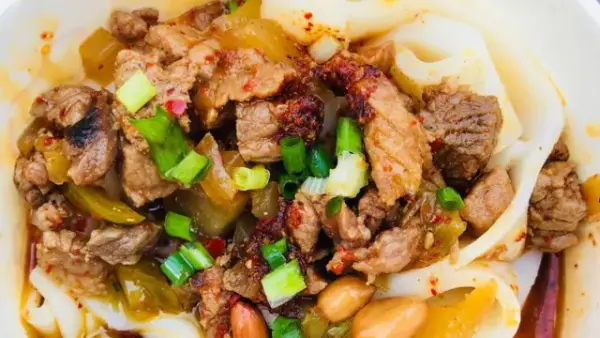
The noodle craze began earlier this month when a social media user shared their experience of visiting the funeral home while in Guizhou, a region known for its spicy and sour cuisine. They mentioned how the queue for food was longer than the line for offering flowers to the deceased, sparking widespread interest online.
Since then, numerous other social media users have shared their experiences of eating the noodles, with some even posting pictures of the long lines outside the canteen. The trend has taken off on platforms like Douyin (the Chinese version of TikTok), with people sharing their enjoyment of the dish and its growing popularity.