

How Gen Z is changing social norms: A cultural revolution in real time
Generation Z — those born roughly between 1997 and 2012 — are often labeled as digital natives, social justice warriors, or the burnout generation. But labels can only go so far. What's becoming increasingly clear is that Gen Z is rewriting the rulebook on social norms in ways that are shaking the foundations of culture, identity, work, and communication. Unlike any previous generation, Gen Z has come of age during a time of unprecedented global disruption — a pandemic, climate crisis, political upheaval, and the rise of AI. And they're not just adapting to change; they’re driving it.
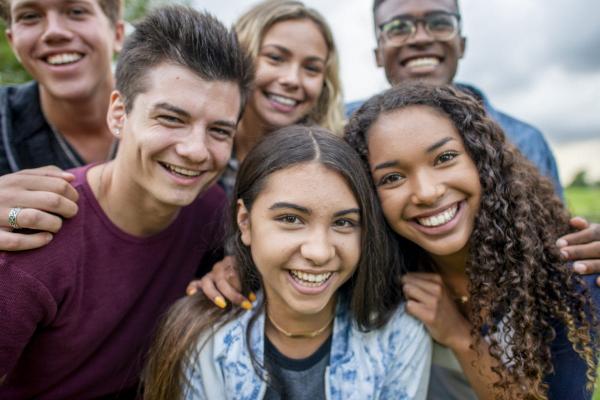
Identity: Beyond binaries and boxes
One of the most noticeable shifts led by Gen Z is their fluid approach to identity. Gender and sexuality, once rigid social constructs, are now seen by many Gen Zers as spectra rather than binaries.
Work: Redefining success and the 9-to-5
Gen Z is also rewriting professional norms. Raised during economic uncertainty and entering the workforce during a pandemic, many Gen Zers are skeptical of traditional career paths.
In place of the 9-to-5 grind, they value flexibility, mental health, and purpose. “Quiet quitting,” remote work, side hustles, and demanding transparency from employers are all part of their ethos. They’re not just asking what a job pays — they’re asking what it stands for.

Companies that ignore Gen Z’s priorities — such as DEI (Diversity, Equity, and Inclusion) efforts, climate responsibility, and work-life balance — risk becoming irrelevant.
Communication: Dismantling the rules of speech
For Gen Z, language is not just a tool; it’s a medium of change. This generation communicates in memes, emojis, acronyms, and videos — often simultaneously. But beneath the TikTok trends lies a deep desire for authenticity and emotional intelligence.
They’re more likely to call out microaggressions, question outdated humor, and expect accountability. Cancel culture, though controversial, reflects Gen Z’s belief in collective responsibility over blind loyalty.
Moreover, Gen Z is ushering in a culture of mental health awareness, where vulnerability is strength and therapy is normalized, not stigmatized. Talking openly about anxiety, depression, and trauma is a cultural norm, not a taboo.

Relationships: Redefining love and friendship
Traditional dating and family structures are also being reimagined. Gen Z is dating less, marrying later (if at all), and increasingly embracing non-traditional relationships, including polyamory and long-term cohabitation without marriage.
Friendships often take precedence over romantic partnerships, and online communities can feel just as real as offline ones. For Gen Z, intimacy isn't confined to physical space — it’s about connection, understanding, and shared values.
Activism: From slacktivism to systemic change
While critics often accuse Gen Z of “slacktivism,” the truth is more complex. Yes, they organize online — but they also protest in the streets, boycott brands, and create viral movements.
From climate strikes to Black Lives Matter, Gen Z is leading the charge for a more equitable world. What sets them apart is their global consciousness — their activism is intersectional, inclusive, and digitally coordinated.

It’s tempting to view Gen Z’s social norm shifts as fads or generational quirks. But to do so is to miss the point. Gen Z isn’t just reshaping social norms — they’re reshaping society.
In a world that desperately needs new thinking, Gen Z is providing it — sometimes radically, sometimes messily, but always with intent. They are not the future. They are the present — and the rest of us are learning to catch up.


