

How your body "eats" dead cells
Every day, our bodies undergo a continuous cycle of renewal, with millions of cells dying and being replaced.
But rather than accumulating as waste, these dead cells are swiftly removed through a natural cleanup process carried out by specialized immune cells.
This process, known as phagocytosis, ensures that tissues remain healthy and free from harmful buildup.
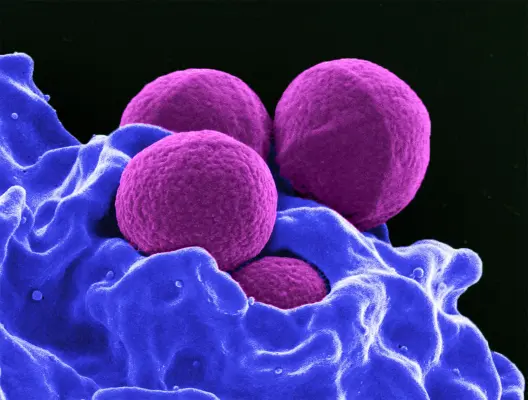
At the core of this mechanism are phagocytes, a group of immune cells that act as the body's janitors. These include macrophages, which roam the body searching for dead or damaged cells; neutrophils, which not only fight infections but also assist in clearing cellular debris; and dendritic cells, which play a role in immune system communication while also helping remove unwanted material.
These cells recognize dying or damaged cells by detecting biochemical signals that indicate they are no longer viable.
Once identified, a phagocyte engulfs the dead cell by wrapping its membrane around it, enclosing it within a protective bubble-like structure. Inside the phagocyte, enzymes and acids break down the engulfed material into smaller components, allowing the body to recycle useful nutrients like proteins and fats.
This natural removal process is essential for overall health. Without it, dead cells could accumulate, triggering excessive inflammation that damages surrounding tissues.
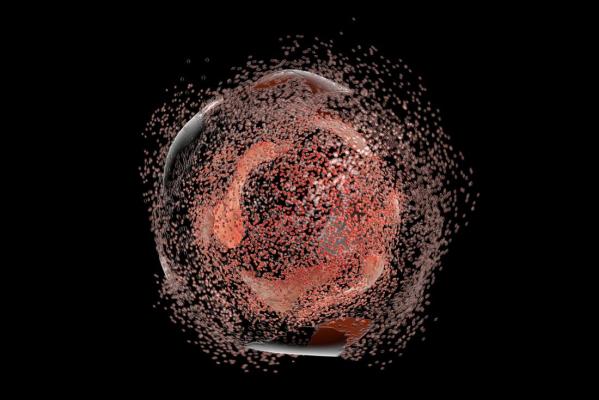
Efficient clearance also prevents the immune system from mistakenly attacking the body’s own tissues, reducing the risk of autoimmune diseases.
Additionally, by eliminating old and dying cells, the body creates space for new, healthy ones to grow, supporting tissue regeneration.
However, when this system fails or becomes impaired, serious health issues can arise. In conditions like lupus and rheumatoid arthritis, the body struggles to clear dead cells properly, leading to immune system dysfunction.
Similarly, in neurodegenerative disorders such as Alzheimer’s and Parkinson’s, the accumulation of damaged brain cells contributes to cognitive decline.
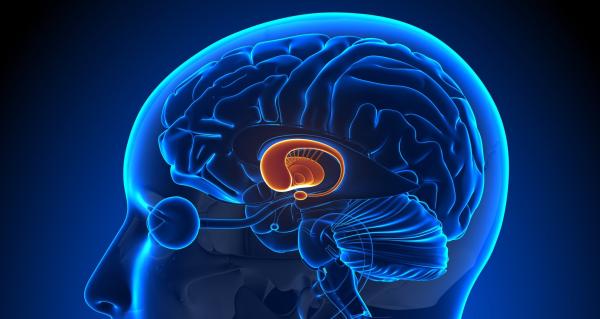
Persistent dead cell buildup can also fuel chronic inflammatory diseases, keeping the immune system in a constant state of alert and causing long-term harm.
This natural cellular cleanup is a silent but crucial function that maintains balance within the body. Without it, our tissues would become overwhelmed with debris, leading to disease and dysfunction.
Though it happens without us noticing, this microscopic maintenance system plays a fundamental role in keeping us healthy and ensuring that our bodies function efficiently every single day.


