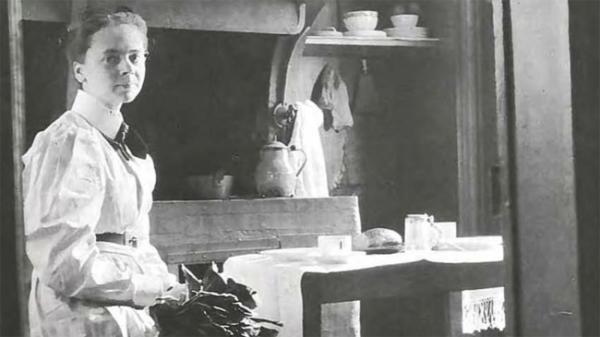
Julia Morgan: The trailblazing architect who shaped California’s Skyline
Julia Morgan, born in 1872 in San Francisco, was a pioneering figure in American architecture and holds the distinction of being the first woman licensed as an architect in California, a milestone she achieved in 1904.
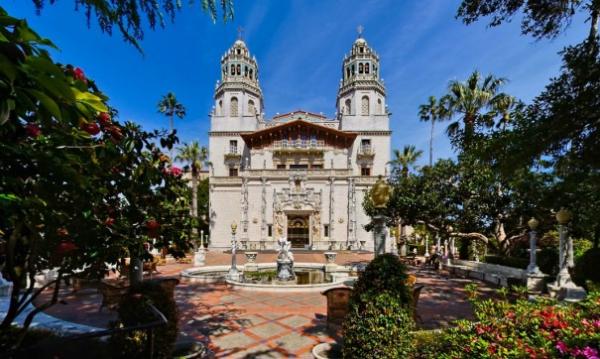
Her groundbreaking career spanned over four decades, during which she designed more than 700 buildings, with the iconic Hearst Castle in San Simeon standing out as one of her most celebrated accomplishments.
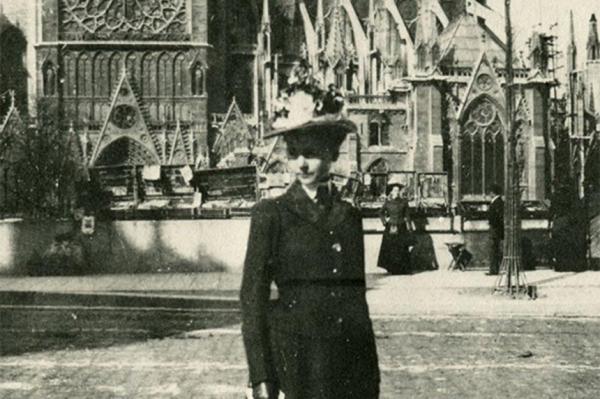
Morgan's path to architectural acclaim was anything but conventional. She initially studied civil engineering at the University of California, Berkeley, becoming the first woman to graduate from the program. Determined to deepen her knowledge, she set her sights on the prestigious École des Beaux-Arts in Paris.
Despite the school's resistance to admitting women, she persisted and eventually became one of its first female students. Completing the rigorous program in just three years, she demonstrated both exceptional talent and a formidable work ethic.
Upon returning to California, Morgan quickly established her own architectural practice. One of her early commissions was the design of El Campanil, a bell tower at Mills College constructed from reinforced concrete.
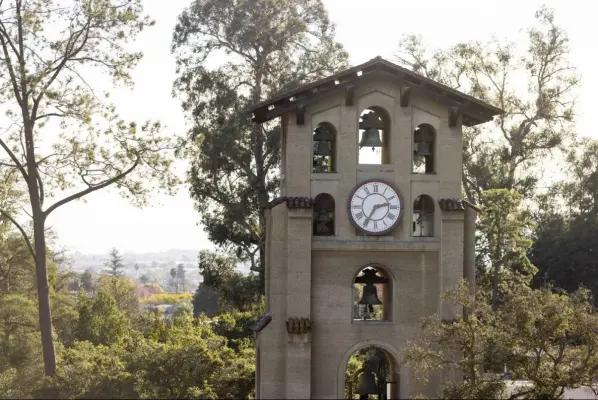
This structure gained notoriety after it survived the devastating 1906 San Francisco earthquake unscathed, solidifying Morgan’s reputation as an architect with a keen understanding of engineering and resilience in building design.
Her architectural style was eclectic and adapted to each project’s unique context, drawing from Spanish, Mediterranean, Gothic, and Neoclassical traditions. Morgan was particularly skilled at using natural materials and designing buildings that blended harmoniously with their environments.
Her work on Hearst Castle, a sprawling and elaborate estate commissioned by newspaper magnate William Randolph Hearst, became a decades-long endeavor and remains one of California's most visited landmarks.
In addition to her architectural achievements, Morgan was a trailblazer for women in a male-dominated profession. Her contributions were recognized long after her death, with her induction into the California Hall of Fame in 2008 and the posthumous awarding of the American Institute of Architects' Gold Medal in 2014—the first time a woman received the honor.
Julia Morgan’s legacy endures not only through her remarkable body of work but also through her role in reshaping the architectural landscape for future generations of women. Her career exemplifies innovation, perseverance, and a profound commitment to excellence.