

Migration delays slow efforts to contain H5N1, officials warn
Maryland has confirmed its first bird flu outbreak in over a year, reporting cases in three poultry farms within just one week. This follows a similar outbreak in Delaware, prompting the two states to form a joint task force to address the escalating situation.
While H5N1 avian influenza has been circulating in North America since 2022, recent months have seen a worsening of the crisis. In the fall alone, over 20 million egg-laying hens succumbed to the virus, contributing to a rise in egg prices.
The USDA reports that around 134 million birds in the commercial poultry sector have been affected by the outbreak across the country.
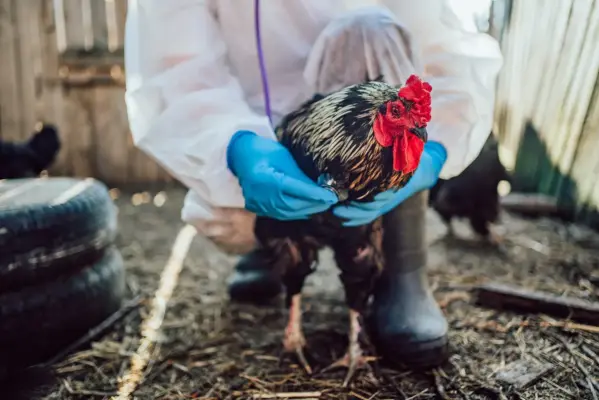
In response, the USDA has begun stockpiling H5N1 vaccines for poultry, although decisions about their distribution are still pending, according to USDA official Eric Deeble.
Officials stress the importance of heightened surveillance for both birds and humans who have close contact with them. The CDC has issued guidance advising hospitals to test flu-positive patients—particularly those in intensive care—within 24 hours to facilitate contact tracing and public health efforts.
Interstate collaboration has been essential, especially in the Delmarva region, a key poultry hub covering parts of Maryland, Delaware, and Virginia.
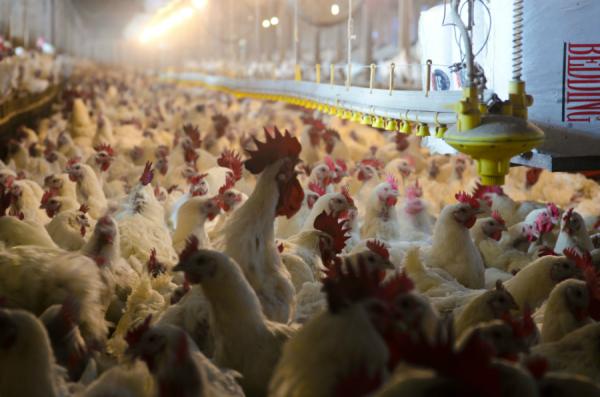
This area, which produced $4.4 billion worth of poultry in the previous year, was among the first to detect the virus through wastewater testing near Georgetown, Delaware, in December. Shortly after, a probable human case was identified, followed by reports of illness and deaths among migratory snow geese.
The unseasonably warm temperatures in the Arctic have delayed bird migration, increasing the chances of the virus spreading to poultry. Between December and January, several snow geese were found sick or dead along Delaware and Maryland’s coastlines, with tests confirming H5N1.
Delaware reported its first poultry case on January 3, followed by another on January 9. Maryland soon followed, with outbreaks reported at three farms in Caroline and Queen Anne’s counties between January 10 and 15.

A joint response team formed by Maryland and Delaware is now sampling and tracking the virus across state borders. "State lines are irrelevant during an active response," said Stacey Hofmann, spokesperson for the Delaware-Maryland Avian Influenza Joint Information Center.
Before poultry is processed, all farms in the affected areas are tested for bird flu. Infected flocks are immediately culled to prevent further spread, and the USDA confirms suspected cases.
Beyond poultry farms, state health departments have issued safety protocols for farm workers, including protective gear and monitoring for flu symptoms to identify potential human infections.

Since March 2024, the U.S. has reported 67 confirmed and seven probable human cases of H5N1. Three of the confirmed cases had no known animal exposure.
At least 23 individuals contracted the virus through commercial poultry, while one person in Louisiana was infected after contact with a backyard flock and wild birds.
The Louisiana patient succumbed to the virus earlier this month, marking a serious outcome for the current strain. A similar case in Canada left a 13-year-old girl critically ill.
CDC official Nirav Shah stressed the need for faster testing to better understand how the virus spreads and whether it is mutating. "Our current system only shows what has already happened," he said. "We need one that tells us what’s happening now."


