
More than meets the sky: The hidden life-saving role of flight attendants
When stepping onto an airplane, many travelers are welcomed by courteous greetings, beverage options, and light snacks. This often creates the impression that flight attendants are primarily there to serve drinks and ensure passenger comfort.
However, this view significantly underestimates the depth and importance of their role. Flight attendants are, in fact, highly trained safety professionals whose foremost responsibility is to protect passengers and manage emergency situations.
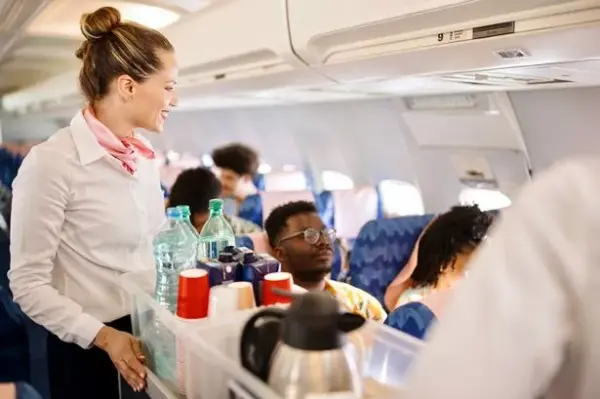
Although their public-facing duties include hospitality and customer service, the core of their job revolves around ensuring the safety of everyone on board. To prepare for this, flight attendants undergo extensive training that goes far beyond what the average traveler might expect.
Their instruction includes emergency evacuation procedures, medical training including CPR and first aid, and the ability to handle fires, sudden decompression, and even water landings. They also learn to respond to security threats, such as violent passengers or potential hijackings.
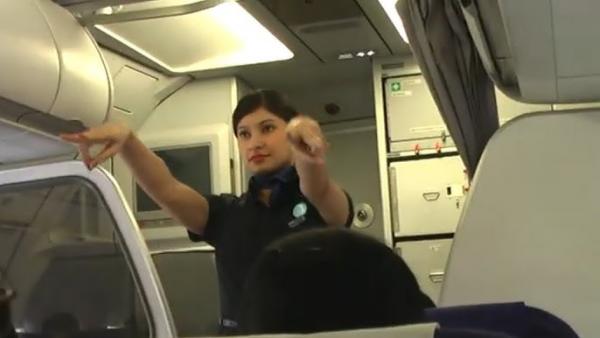
Each time passengers are shown how to fasten a seatbelt or locate an emergency exit, flight attendants are delivering information that could be critical in a crisis.
These safety briefings are not mere formalities—they are vital instructions designed to increase the chances of survival in the event of an emergency.
Even seemingly minor pre-flight checks, like making sure tray tables are up and bags are securely stowed, play a significant role in reducing risk during takeoff and landing. These measures help prevent injuries and ensure pathways are clear for a swift evacuation if necessary.

Real-life incidents highlight the indispensable role of flight attendants. One notable example is the 2009 emergency landing of US Airways Flight 1549 in the Hudson River. Thanks to the crew’s quick thinking and decisive action, all passengers were safely evacuated from the aircraft.
Another example occurred in 2018 on a Southwest Airlines flight, where a cabin window shattered mid-flight. The flight attendants responded immediately, taking control of the situation and guiding passengers to safety.
Despite these critical responsibilities, flight attendants often face misunderstanding or underappreciation. They work under challenging conditions, dealing with long hours, jet lag, and sometimes difficult passengers, all while maintaining professionalism and readiness for any emergency.
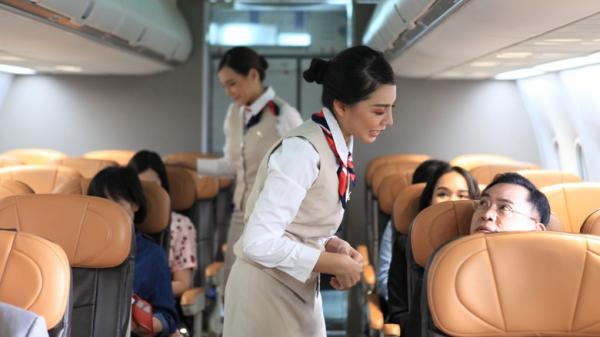
It’s important to recognize that the person offering you a soda at 35,000 feet is also prepared to save your life. The visible part of their job—the service—only scratches the surface.
Beneath the smile and the uniform is someone trained to act swiftly and effectively when things go wrong, making them an essential part of every flight.