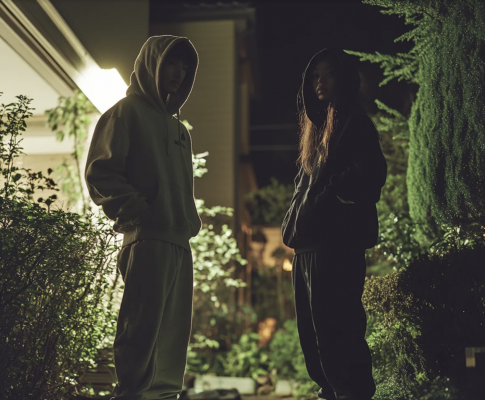
My husband left me for his yoga instructor, who helped him "heal his inner child." Four years later, I ran into them again and nearly felt sympathy for him.
Four years after her husband left, Julia sees him again, in the last place she ever expected, with the last woman she ever wanted to face. But the real shock isn't what has changed... it's what hasn't. As old scars reopen and new truths come to light, Julia must decide what healing really means.
I didn't expect to see my ex-husband in the grocery store. Much less with a little kid in his arms... and definitely not with a double stroller and two screaming babies.
I didn't expect to see him with her, the yoga instructor he left me for, yelling about oat milk in the cereal aisle.
But there he was.
And for a second, while I watched him trying to get a sock on the kid and muttering something about being "more mindful next time," I almost felt sorry for him.
Almost. But not exactly.
For 18 years, I was Mark's wife—his cook, his cheerleader, his unpaid therapist, and at one point, the only person who knew all his complexities.
But before all of that, I was his best friend.
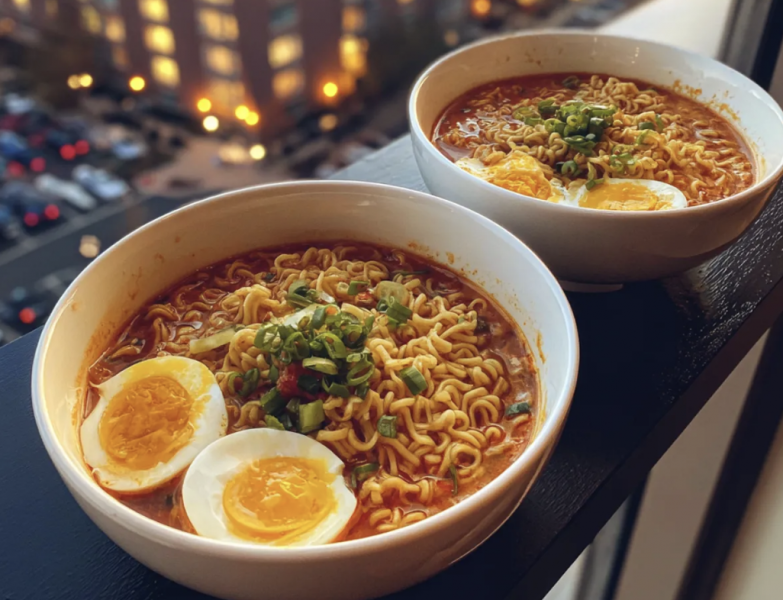
We met in college, two broke kids living on ramen and shared dreams. He had a cinematic quality that made even the mundane seem worth remembering: running in the rain to catch a bus, making hot chocolate by candlelight, and talking until dawn about the kind of life we'd build.
He was hopeful, impulsive, and sure that love could fix everything.
And for a long time, I believed him. We grew together, building everything from scratch: the house with the yellow blinds, the dog that shed hair everywhere, and the two beautiful kids who filled the house with laughter.
Ryan and Emma brought life to that house, with their soccer boots by the door, unfinished school projects, and laughter echoing through the hallways.
Mark was the fun dad. He burned pancakes and convinced the kids they were "caramelized," stayed up late helping Ryan make a papier-mâché volcano that exploded all over the kitchen floor, and taught Emma how to parallel park (way before her age), even though she hit the mailbox. Twice.
He'd wink at me from behind her and smile.
"Eventually, she'll learn," he said. "I did."
I was the one who made everything work. I remembered birthdays weeks in advance and packed school lunches. I knew which kid liked the crustless bread and which one needed fresh fruit at every meal. I knew which doctors took our insurance. I knew the difference between detergent for whites and colors, which bills were overdue, and at what time Ryan's allergy medication stopped working.
We were opposites in motion. But for a long time, that worked. At least, I thought it did.
Then came what he called his "wellness phase."
At first, it was harmless. I mean, it was just meditation apps, breathing exercises, and some favorite videos on inner peace. I even bought him a lavender-scented eye mask as a joke for his birthday.
"Thanks, Jules," he said, smiling. "But you don't believe in this stuff, do you?"
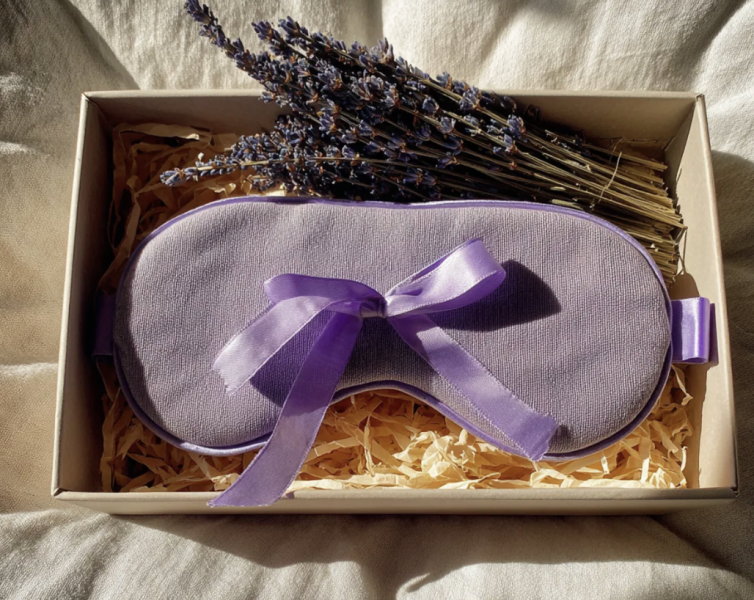
"I believe in anything that makes you less grumpy on Mondays, honey."
He laughed at that, but a few weeks later, he was burning sage in the kitchen and calling our coffee maker "a vibrational toxin."
I didn't argue. I'd heard that people handle midlife crises in different ways. If singing, watching healing subliminal videos on YouTube, and using crystals helped my husband sleep, who was I to stop him?
But then, he changed.
Mark started sleeping in the guest room. He wrote more in his journal than he spoke to me. He stopped holding my hand in the car. And then one night, while folding towels in our bed, he sat down in front of me and looked at me seriously.
"Julia, honey, don't take this the wrong way..." he began. "But you're so full of negativity. It's weighing you down."
I remember looking at him for a long time before responding.
"Because I don't want to spend $600 on a silent retreat, Mark?"
He didn't answer. He just got up, kissed me on the forehead, and left the room singing something under his breath.
A week later, he met Amber.
Amber was 31 when she entered our lives. She was a yoga instructor, with legs that seemed to go on forever and a soft voice, as if she were permanently in the middle of a savasana. Everything about her was whispered and ethereal.
She had a tattoo on her wrist that said "breathe," which seemed ironic considering she was the one who sucked all the air out of my marital life.

Mark met her in a "healing circle." She was the leader, of course. I found out about this later, when he came home radiating, as if he'd just survived a pilgrimage. He talked about "expanding his spiritual reach" and "feeling deeply seen."
I remember standing by the fridge, arms crossed, nodding my head as if I wasn't beginning to panic about the state of my marriage.
And then the messages came.
I saw the first one by accident. His phone lit up while we were watching a movie with the kids.
"Your energy aligns so well when we're together. And mine becomes... electric. 💫"
I didn't say anything at that moment. I pushed it aside and tried to convince myself it didn't mean what I thought it meant. But the second one left no room for interpretation: "Your wife's aura must be exhausting."
I confronted him that night, after the kids were already in bed. I was cleaning the dishes, and Mark was hunting for bits of popcorn in the couch. It didn't surprise me when he didn't react.
"Amber understands me, Julia," he said. "She helps me connect with parts of myself that you always ignored. You see the world in one dimension. There's so much more beyond... and within us as well. Amber shows me that."
"Are you upset because I ignored your 'inner child'? Is that what you're saying?" I asked, half-amused, half-horrified.
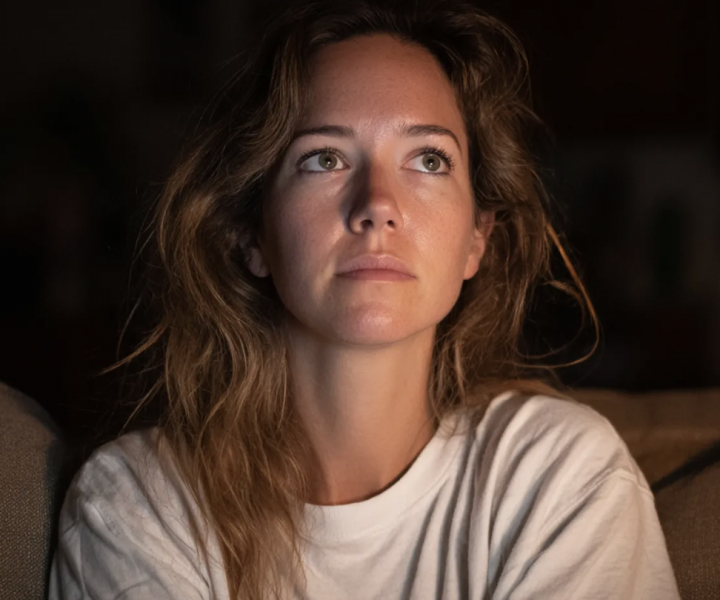
"You never wanted to find it. You never wanted to understand it." He looked at me with pity.
Two weeks later, he left.
There were no shouting matches, no long explanations. Just a folded note on the kitchen counter and his wedding ring.
"I need someone who feeds my spirit."
The first year was just surviving. I learned to do everything he used to do, from unclogging the sink to negotiating with insurance agents. I made dinners that the kids barely ate, and I cried quietly over dish rags. I checked my phone more times than I’d admit, waiting for something that never came.
The second year brought therapy. The third, distancing, triggered by Mark forgetting to call on Ryan's birthday.
And in the fourth year, I stopped needing him to show up because... someone else was already there.
That was the year I met Leo. While Mark was restless and volatile, Leo was patient and warm, with a calm that made the room feel safe. My kids were hesitant at first, but when Leo proved that he wasn’t going to separate me from them or try to replace their absent father, they softened.
We got involved quickly, and I allowed myself to imagine a future that wasn’t about recovery and survival, but about renewal.
Leo reads the room like it’s a love language—always knowing when to speak, when to hold me, and when to just stay close. With Leo, love doesn’t come with fireworks. It comes with chocolate, laughter, and being together.
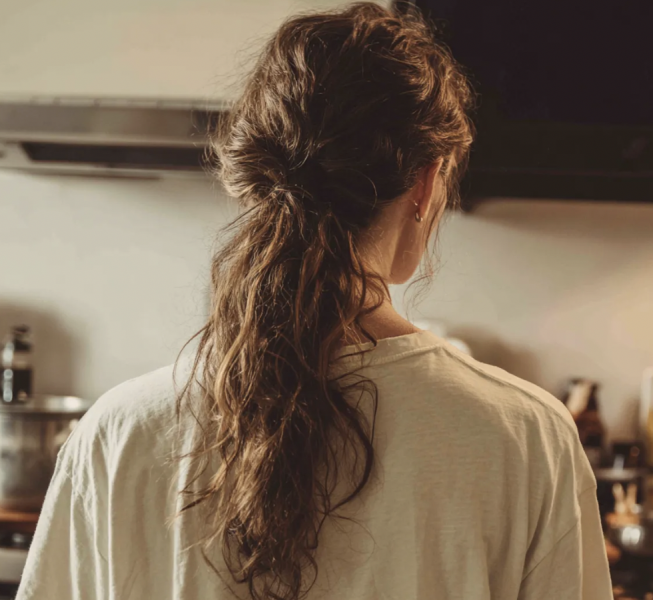
And then, last weekend, I ran into him.
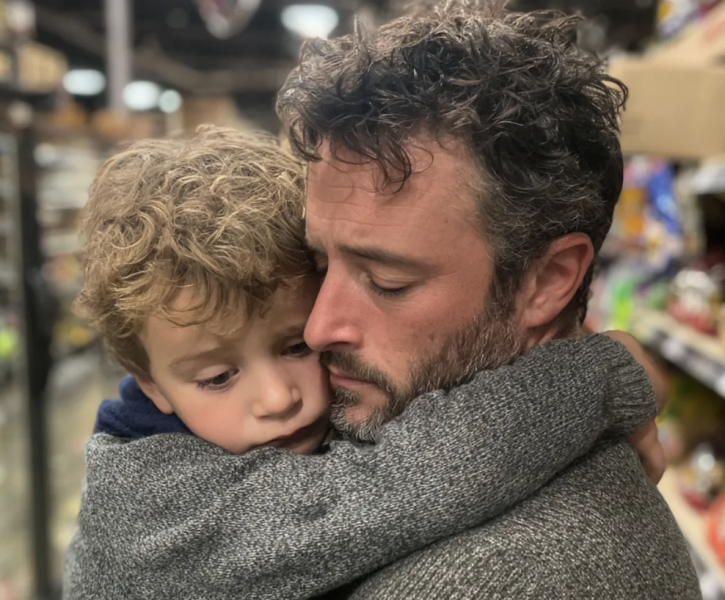
There, in the cereal aisle, was Mark, holding a little kid, pushing a double stroller, and looking like someone who hadn’t slept in a year.
And behind him was Amber, yelling about oat milk.
She didn’t shine anymore. Her hair was coming undone, her leggings were stained, and her voice had lost that smoothness, like lavender oil. Now it cut through the air like glass.
"I told you we only buy organic, Mark! How could you forget?!" she yelled, not bothering to lower her voice.
Some nearby shoppers turned to look. A woman raised her eyebrows as she passed with a basket full of baby formula. Mark just stood there, nodding like a scolded child, murmuring something about "being more attentive next time."
It was then that our eyes met.
He froze. His mouth opened slightly, as if he wanted to say something clever or casual, but nothing came out. He turned to Amber and muttered something I could barely hear.
"I need to talk to her. About the kids."
Amber didn’t even pretend to care. She rolled her eyes with all the drama she could muster, grabbed the stroller handles like she was going to war, muttered something under her breath, and walked away. The stroller wheels clacked loudly on the tiles.
The kid in Mark's arms whimpered, but no one noticed.

And so, suddenly, it was just the two of us.
"Hi... Julia," he said, almost cautiously. "You look good. How are you?"
"Good," I replied—nothing more, nothing less. I wasn’t going to offer him a safe space to land.
He nodded and swallowed hard. His eyes drifted to the floor, then returned to me.
"I didn’t expect to see you here."
"Well," I said, "It’s a supermarket, Mark. Not a silent retreat for invited guests only."
He gave a weak laugh and adjusted the child on his hip. The child had the same hazel eyes as my kids.
"Yeah, sure. Of course."
The silence between us stretched and expanded, heavy with everything we’d never said out loud. Finally, he spoke.
"I didn’t mean to hurt you."
I didn’t answer. I let the silence hang between us like a fog. If he wanted to feel better, he could write it down in his journal.
"I thought I was doing the right thing. I was trying to find myself, Jules. I was trying to fix something inside me."
"Instead, you found three kids under three," I said.

He flinched, the truth hitting hard.
"Amber is different now. She’s not what I thought."
I didn’t say it, but I wanted to: Neither are you.
"I miss what we had," he said, this time softer. "I was an idiot. I didn’t see the good I had."
That used to be the phrase I repeated in my head. I imagined it late at night, while lying alone in our bed, with his broken voice and eyes full of regret. I used to think that hearing those words would fix something inside me.
That maybe, I’d finally feel like I had won.
But standing there, under the flickering lights of the supermarket, with a child pulling at his sleeve and a stain on his wrinkled shirt, I didn’t feel victorious.
I just felt tired.
I opened my mouth to respond, but before I could, I felt a hand gently touch the small of my back. It was warm and familiar.
"Everything okay, sweetheart?"
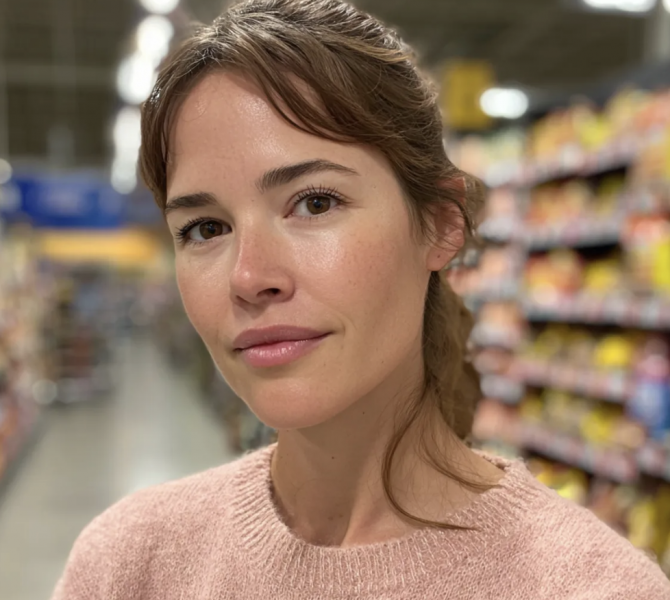
I turned and saw Leo. He was beside me, with a quiet strength in his posture and a gentle expression on his face. His cart was half-full with all the things I’d forgotten to pick up. He always noticed what I left behind and took care of it without making me feel like I had failed.
"Yes," I said. "Everything’s absolutely fine."
Mark blinked, his eyes moving from my face to Leo’s. I could almost see the calculations in his head: Who was this man? Why was he here? Why was he looking at me like I had hung the moon and all the stars?
"This is Leo," I said. "My fiancé."
Mark’s expression faltered just enough to reveal something beneath the surface. He extended his hand to Leo, who took it without hesitation.
"Nice to meet you," Leo said politely. "I’ve heard a lot about you."
"Nice to meet you, too," Mark murmured.
There was a pause. The kind of pause that tasted like unfinished business.
"Ryan and Emma are fine," I said. "They’re still upset because you didn’t call, but it’s okay. They have Leo now."
Ryan hardly ever talks about his dad anymore, but sometimes I catch him staring at the door when it rains, as if he still has hope. Emma, on the other hand, acts like she doesn’t care much—and that scares me more. Kids grieve in different ways, and silence is just another kind of pain.
Mark’s jaw tightened a little. He looked down, nodded once.
"Leo’s been helping them a lot. They both have serious abandonment issues. We had to put them in therapy because... well, you understand, right? Leo’s good with them. Patient."
"I’m glad they’re okay," Mark said, his voice lower now.
"Ryan’s a great athlete," Leo added, offering an olive branch. "I’m sure he got that from you. And Emma’s starting ballet. It’s amazing to see how they’re blossoming."
I smiled at Leo and took his arm. I also smiled at Mark, not with forgiveness, but with closure.
"Ready to check out?"
He nodded, then kissed me on the forehead, just like he used to hundreds of times before. And so, we started to walk away.
Mark didn’t follow us. He stayed there, with a child in his arms, two more somewhere down the aisle, and the weight of every decision he had made settling on his shoulders.
He blinked, looked down, then at the child in his arms. I could see he wasn’t just tired; he was drowning in the life he thought he wanted.
When we turned the corner, Leo stepped closer.
"Are you sure you’re okay?"
I looked back one last time. Mark seemed smaller than I remembered. He looked older and lost.
"I’m fine," I said. "Really, I’m fine."
And I meant it.
There was no dramatic exit, no final speech. Just peace.

And peace, I’ve learned, is stronger than regret.
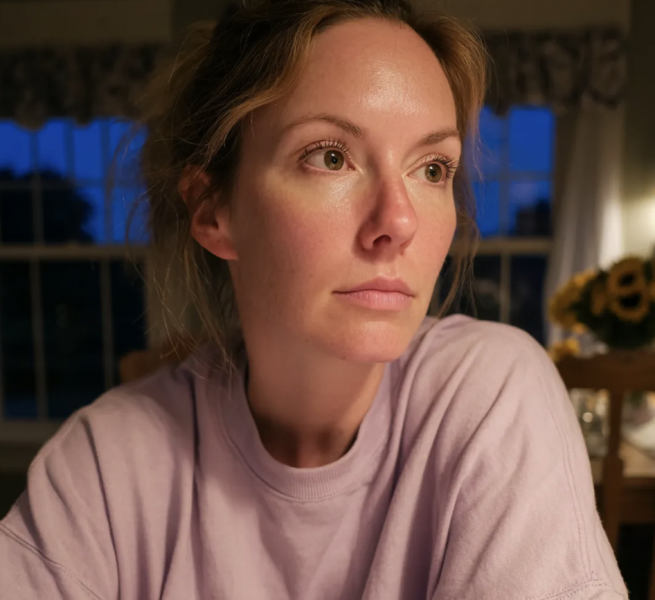
That night, we had dinner together, just the four of us.
The table was full of cross-talk and clinking cutlery. Emma had made garlic bread, and Leo had roasted the salmon just the way Ryan liked it.
I looked at everyone, the people I loved, gathered around the table that had once seemed too big after Mark left. Now, it felt full again.
Different, but good.
In the middle of the meal, I cleared my throat.
"I saw your dad today," I said softly. "At the store."
The table fell silent, forks suspended in the air.
"Did he say anything?" Ryan asked, looking up.
"Yes," I nodded. "He apologized. He said he missed what we had."
Ryan didn’t say anything at first.
"He could’ve called," he murmured. "It’s not that hard."
"You have every right to be angry." Leo crossed the table and squeezed his shoulder.
Emma didn’t look up from her plate.
"He already has his new family, right?" she said, taking another bite of salmon. "I’m sure he’s happy. Mom, can I get a new leotard this week? Mine’s getting too tight."
"Yes, sweetheart," I said, not really sure what to think about my daughter’s indifference. "We’ll get you one this weekend."
"And maybe this weekend, you and I can go get that new baseball glove, Ry," Leo said, taking a sip of his drink.
"Really?"
"Really. You’ve earned it. And I can’t wait to see you play next weekend."
Ryan gave a quick nod, as if he didn’t want to seem too happy, but I saw how his shoulder relaxed.
When the conversation returned to school projects and weekend plans, I looked around the table. They were laughing again, fighting over who had left an empty juice box in the fridge, and I felt something in my chest finally settle.
The pain was still there—probably always would be—but so was this.
This warmth. This peace. This family.
This was more than enough.