My neighbor drove over my lawn every day, using it as a shortcut to get to her yard.
After my divorce, I didn’t just want a fresh start. I needed one.
That’s how I ended up in a quiet dead-end street in another state, in a house with a white porch swing and a garden I could call my own.
I poured my pain into that land. I planted roses from cuttings of my late grandmother. I lined the paths with solar lights that flickered like fireflies. I mowed the lawn every Saturday, named my lawnmower "Benny," and drank sweet tea on the steps as if I’d done it my whole life.
I was 30, freshly divorced, and desperate for peace.
Then Sabrina showed up.
You’d hear her before you saw her. The sound of her heels clicking on the concrete like gunshots, her voice louder than the engine of her Lexus. She was in her late 40s, always wearing something tight and shiny, never without a phone pressed to her ear.
She lived in the corner house, across the street. Her husband, Seth, though I wouldn’t learn his name for a long time, was the quiet type.
I never saw him drive. Just her. Always her.

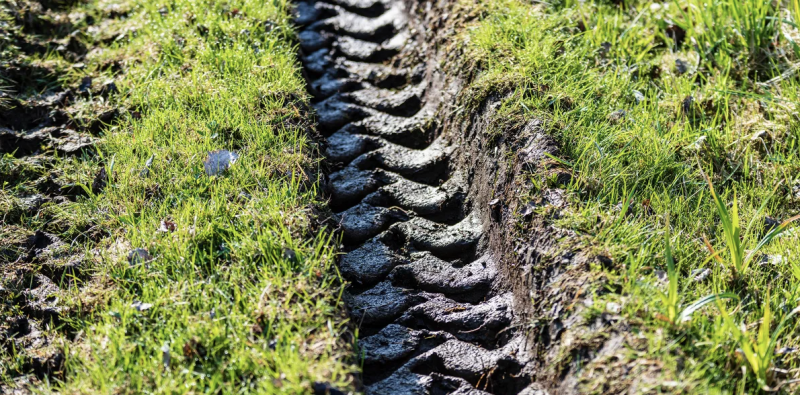
The first time I saw tire tracks in my garden, I thought it was a fluke. Maybe a delivery person cutting through their route. But then it happened again. And again.
I woke up early one morning and caught her in the act, her SUV dragging across my flower bed like it was a race track. I waved frantically, wearing my pajama pants.
"Hey! Can you stop driving over my garden like that? I just planted lilies there! For God’s sake!"
She leaned out the window, sunglasses perched on her forehead, lips curling into a smile so tight it could cut glass.
"Oh, honey, your flowers will grow back! Sometimes I’m in a hurry."
And just like that, she disappeared.
Her SUV disappeared around the corner, tires leaving new marks on the soil I’d spent hours softening, planting, and nurturing. The smell of crushed roses lingered in the air, floral and faintly bitter, like perfume sprayed on a goodbye letter.
I stood frozen on the porch, my heart pounding in that familiar, helpless rhythm. I wasn’t just angry; I was devastated.
Not again.
I’d already lost so much. The marriage. The future I clung to like it was a life project. And just when I was starting to rebuild something beautiful, something of my own, someone decided it was convenient to destroy it with their Michelin tires and sense of entitlement.
This garden was my sanctuary. My therapy. My way of proving to myself that I could still take care of something, even if I hadn’t been enough for someone to stay.
And she drove over it like it was just some patch of weeds.
I tried to be civil. I did what any good neighbor would do. I bought big, pretty decorative stones. The polished, heavy kind, meant to say “please respect this space.” I placed them carefully, like sentries at the border of a kingdom I was learning to protect.
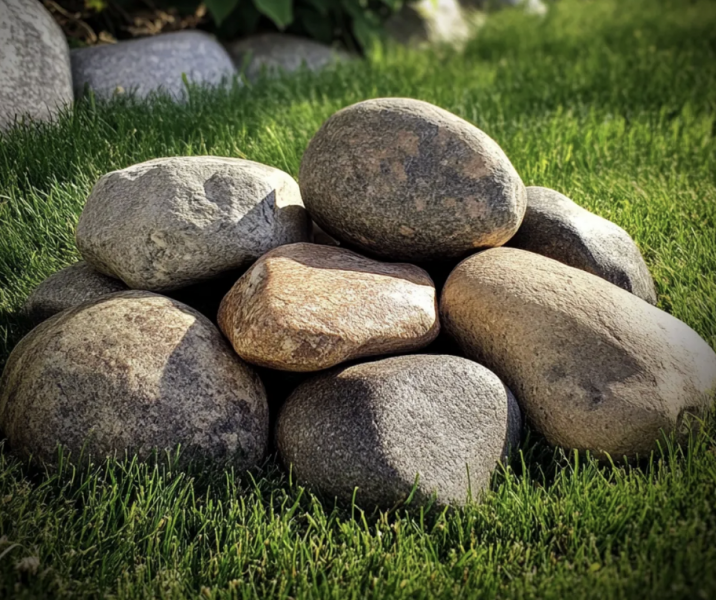
The next morning? Two stones had been shoved aside like toys and a rose stem was snapped in half.
That’s when I realized: this wasn’t about flowers. It was about me.
And I’d been invisible for far too long. So, I stopped being nice.
Phase One: Operation Pinstripe (But Legal)
I gave chances. I gave forgiveness. I gave decorative stones. But the message wasn’t getting through.
So I got creative.
I went to a local feed store, one of those places that smell like hay and old wood, and bought three rolls of chicken wire. Eco-friendly. Subtle. But when buried just beneath the surface of a soft garden?
It hurts.
I went home and worked late into the evening, the same time she usually roared by like a one-car parade. I wore gloves. Dug carefully. Placed that wire with the precision of a woman who had been underestimated too many times.
I covered the earth back up as if nothing had happened. To the untrained eye? It was just a freshly cultivated garden.
To a woman who didn’t respect boundaries? It was a trap waiting to be triggered.
Two days later, I was on the porch with my tea when I heard it.
A loud crash.
The kind of sound that makes you hunch your shoulders and your heart vibrate silently with a sense of justice. Sabrina’s SUV stopped abruptly in the middle of the garden, one tire releasing a sigh of surrender.
Sabrina threw open the door like the queen of drama that she was, her heels puncturing my flower bed as she examined the deflation.
“What did you do to my car?!” she shouted, her eyes wide.
I took a slow, sweet sip of my drink.
“Oh no... was it the garden again? I thought your tires were more resistant than my roses.”
She stood there, fuming with rage. And all I could think was: Good.
She stormed off in a fury of heels and curses. But I wasn’t done. Not by a long shot. There was still so much more to come.
Phase Two: The Paper Trail of Uselessness
The next morning, I found a letter taped to my front door, flapping in the wind like a threat dressed in Times New Roman font.
It was from Sabrina’s lawyer.
Apparently, I “intentionally sabotaged shared property” and “created a safety hazard.”
Shared property? My garden?
I stood there, barefoot on the porch, still in my pajamas and leggings. I read the letter three times just to make sure I wasn’t hallucinating. It was ridiculous. But what came first wasn’t laughter—it was anger.
Slow, steady, delicious anger.
You want to play the legal game, Sabrina? Count me in.
I called the municipality before my coffee had a chance to cool. I scheduled a survey for that very afternoon. Two days later, there were stakes and orange flags marking every inch of my property like it was a war zone.

Turns out, her property line didn’t even touch mine. She’d been encroaching on my land for weeks.
So I started gathering receipts. I became the crazy photo lady.
I grabbed every photo I had. Pictures of the roses blooming, then crushed. Sabrina’s SUV parked in the middle of my garden. Her heels stomping through my land like it was a runway. One picture showed her mid-walk, phone pressed to her ear, not caring about anything.
I printed them all and put them in a folder. I included a copy of the survey, the report I’d done—not to file a complaint, but to document. The paper trail was neat, legal, and satisfyingly thick.
I sent it to her lawyer. With return receipt. Tracked. And with a little note inside:
“Respect is a two-way street.”
Three days later, the complaint was dropped. Just like that. No apologies. No confrontation. But Sabrina didn’t stop there.
And that?
That was her final mistake.
Phase Three: The Grand Finale of “Welcome”
If the chicken wire didn’t stop her and the legal letters didn’t humiliate her, then it was time for something with a little more... style.
I spent hours searching the internet until I found it. A motion-activated irrigation system, designed to deter deer and raccoons, but with the power of a small fire hose.
It wasn’t a mist. It was an assault.
I buried the system right where she always cut through, hidden under a new layer of mulch and daisies. I set it up. Tested it—and took a blast so strong I lost a sandal. It was perfect.
The next morning, I sat behind the lace curtains with a cup of coffee and fresh croissants. I had the patience of a woman who’d been underestimated for far too long.
Just in time, her white Lexus entered the dead-end and trundled across my garden as always, confident, careless, and utterly unprepared.

And then... pffoooosh!
The irrigation system exploded with the fury of a thousand garden hoses. First, the front wheel. Then the passenger window. Then a glorious 360-degree spin that soaked the entire side of her SUV.
Sabrina screamed. The car stopped suddenly. She threw open the door and leaped out, drenched, mascara streaming down her face like melted wax.
I didn’t laugh. I chuckled. Almost spilled my coffee on my shirt.
She stood in the middle of my garden, dripping wet, sobbing, mascara running down her face like black tears of entitlement. For the first time since all this started, she looked small.
She never cut through the garden again.
A week later, someone knocked on my door. I opened it to find a man, in his 50s, shirt wrinkled, holding a lavender plant like it was an offering of peace.
“I’m Seth,” he said softly. “Sabrina’s husband.”
The poor man looked like someone tired of apologizing for someone else.
“She... she’s full of energy,” he said, offering the plant. “But you taught her a lesson I couldn’t.”
I gently took the plant.
“The sidewalk is always available, Seth,” I smiled.
He smiled back. The kind of smile that carried more relief than joy. Then he turned and walked away, down the sidewalk.

Weeks later, my garden was blooming again.
The roses were taller than before. The daffodils had returned, delicate, but defiant. The stones still stood guard, though they no longer needed to.
The chicken wire was long gone. The irrigation system? It was still there. Not out of revenge, but out of memory. It was a line drawn in the earth, in case the world forgot where it ended.
But the war was over.
I was stirring marinara sauce in the kitchen, the window slightly open to let in the sound of distant birds and lawnmowers. My hands moved on autopilot—garlic, basil, a pinch of salt.
I’d made this recipe hundreds of times, but tonight it felt different. As if the muscle memory was calming something deeper.
The steam from the pot clouded the window enough that I couldn’t see the tire marks that once haunted the grass. And I thought... maybe that was it.
Because it wasn’t about the grass.
It was about being erased. Again.
When my marriage ended, it wasn’t with a dramatic fight or a betrayal. It was quieter. Colder. Like watching someone pack their love into small boxes and walk out the door while I still convinced myself things could be fixed.
For three years, I begged to be seen. To matter. To be considered.
And then I came here. To this house. To this porch. And finally, I began to build something just for me. Something alive. Beautiful. Soft in places where I had to be hard to survive.
And then came Sabrina... Tire tracks across my peace. High heels stomping on my healing.

She didn’t know that every crushed narcissist had been planted by hands that still trembled when signing the divorce papers.
That every solar light she bumped into had been placed with the silent hope that one day I’d fall in love with afternoons again.
So maybe it seemed petty. Maybe the irrigation system was overkill. But it wasn’t just about defending the grass.
It was about drawing a line where I had never done so before. About learning that sometimes, being kind means being fierce. And that setting boundaries doesn’t make me crazy.
It gives me freedom.
I put sauce on the pasta and smiled as the smell filled the kitchen.
Some things broke me. And some things, like a perfect flower bed or a well-aimed spray of water, brought me back.