Plant-Based Diets on the Rise: Benefits, Myths, and What Science Says
The popularity of plant-based diets has seen a notable rise globally, driven by growing awareness of both health and environmental concerns. In recent years, more individuals have been shifting toward plant-centric eating patterns, whether through fully vegan diets or more flexible, plant-forward approaches.
This trend is reflected in the increasing availability of meat-free products at major restaurants and grocery stores, and in consumer behavior studies that indicate strong growth in plant-based food sales.

Scientific research has consistently supported the health benefits of plant-rich diets. Recent findings from a study involving identical twins—one group following a vegan diet and the other an omnivorous diet—demonstrated that the vegan group experienced greater reductions in body weight, cholesterol levels, and fasting insulin after only eight weeks.
Other long-term studies have shown that vegetarian and plant-based diets can significantly improve blood sugar control, reduce blood pressure, and lower markers of inflammation in individuals with type 2 diabetes.
Dietary fiber, plant-derived antioxidants, and diverse micronutrients found in whole plant foods contribute to these outcomes. Increasing the variety of plant foods in one's diet—such as legumes, nuts, seeds, grains, fruits, and vegetables—not only supports cardiovascular health but also improves gut microbiome diversity, which plays a critical role in immune function and mental well-being.
Emerging evidence also indicates that such diets may reduce the risk of chronic diseases including cancer, particularly those affecting the digestive and reproductive systems.
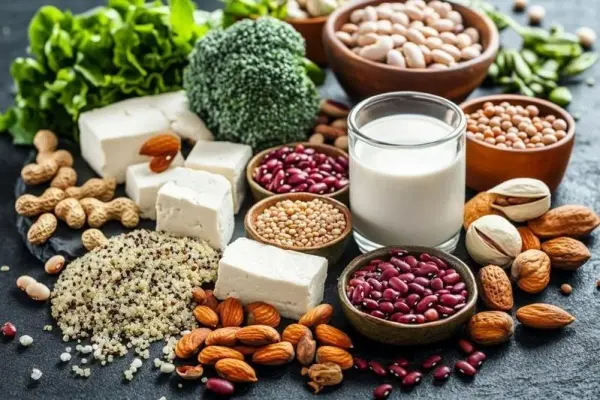
Concerns about nutrient deficiencies on vegan diets are common, but when planned properly, plant-based eating can be nutritionally complete. Nutrients such as vitamin B12, iron, calcium, zinc, iodine, and omega-3 fatty acids may require attention, but these can be managed through fortified foods or supplements.
Protein intake, often a concern for athletes or active individuals, can be adequately met through a varied intake of plant proteins like beans, lentils, soy, quinoa, and nuts.
Contrary to popular belief, plant-based diets do not hinder physical performance. Research on athletes following vegan or vegetarian diets has found no reduction in strength or endurance, with some studies even suggesting modest improvements in oxygen utilization and recovery.
Furthermore, population studies link predominantly plant-based eating patterns with a lower risk of ischemic heart disease, reduced overall cancer rates, and a longer life expectancy.
It's important to note that not all plant-based foods are inherently healthy. Ultra-processed vegan snacks and meat alternatives may be high in sodium, added sugars, and preservatives, undermining the health benefits of a whole-food-focused approach.

Thus, experts recommend emphasizing natural, minimally processed plant foods and gradually increasing plant-based meals in daily routines. Incorporating a wide variety of plant foods throughout the week—ideally more than 30 different kinds—can enhance nutritional quality and promote long-term health.
Adopting a plant-based or plant-forward diet can provide a broad range of health benefits without requiring strict exclusion of animal products.
Whether someone chooses to fully embrace a vegan lifestyle or simply prioritize more plant-based meals, the scientific consensus is clear: diets rich in whole plant foods are linked to improved health outcomes, better disease prevention, and potentially greater longevity when thoughtfully and consistently followed.