

Switzerland's strategy: Targeting the wealthy tourists
The world is currently facing significant challenges, with conflicts, climate change, and fears of economic recession dominating the news.
Despite these global issues, a select group of individuals is experiencing prosperity – the wealthy.
While the world faces turmoil, the number of billionaires continues to grow, and their wealth increases as well. With such vast sums of money, what are these ultra-rich individuals doing with their fortunes?
A growing trend of pursuing the ultimate luxury experiences is revealing how the wealthy are choosing to spend. This shift presents a major opportunity for the tourism industry.
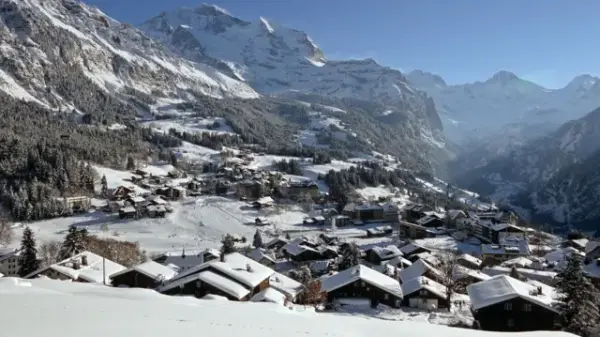
Switzerland, known for its understated elegance, has seen an increase in the number of five-star hotels, which are growing faster than any other hotel category.
Many of these hotels date back to the early 20th century and were built to accommodate the emerging class of privileged tourists, mainly from England.
Today, these hotels have been extensively renovated and offer guests luxurious amenities. The high-end hotels feature spas, gourmet restaurants, and designer suites with breathtaking views of the Alps.
Some even offer ski butlers to help guests travel to and from the slopes, carry their equipment, and assist with putting on their boots.
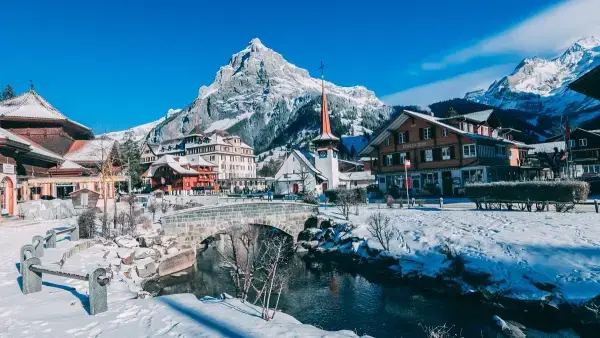
The main markets for these luxury offerings are the United States, the Gulf states, China, and Southeast Asia.
Swiss hoteliers highlight that American visitors, in particular, expect top-tier service, which includes 24-hour room service for those who wish to order food at any hour.
China and India are emerging markets, with the wealthiest individuals from these countries starting to travel to Switzerland. The country is eager to capture this market early.
However, the premium services offered at five-star hotels come with a hefty price tag, raising the question of what is being done for those who do not belong to the billionaire class.
Markus Berger, a representative from Switzerland Tourism, notes that the strategy is not solely focused on catering to high-end guests, but also on assessing the numbers.
Although five-star hotels account for only about 8% of all overnight stays in Switzerland, these guests contribute to at least 25% of the country's total tourism revenue.
This demonstrates the significant economic impact that high-spending guests have.
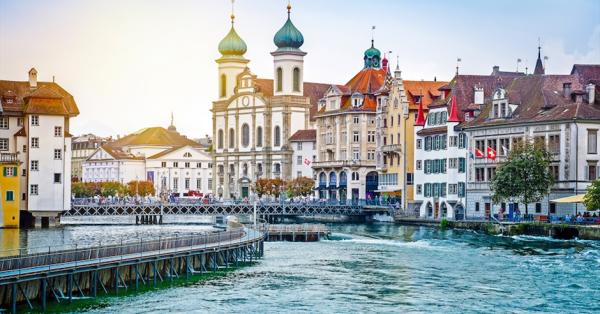
Switzerland, with its high-wage economy and high prices, cannot compete with neighboring countries that offer cheaper options, especially given the strength of the Swiss franc.
Instead, the country focuses on quality, service, and additional value, such as ski butlers. In exchange, visitors who stay at these luxury resorts spend significantly in the local economy, particularly in Michelin-starred restaurants and boutique shops, which are now common features in many Swiss mountain resorts.
However, this emphasis on luxury tourism is not without its drawbacks. In some of Switzerland’s most famous upscale resorts, such as St. Moritz and Zermatt, concerns have been raised that the focus on high-end offerings is pricing local residents out of the market.
One of the challenges is providing housing for the hundreds of hotel and restaurant employees who are essential to maintaining the five-star experience.
These workers often find themselves commuting long distances, late at night, after the bars and restaurants close, to affordable accommodations in nearby villages.

Officials from Switzerland Tourism, see investment in luxury resorts as a positive development. These mountain villages were once very poor, with some local guides remarking that most children were beggars.
In more recent times, global trade regulations have forced many small local farms to close, making tourism even more critical to the Swiss economy, especially for these mountain communities.
Although the number of five-star hotels continues to grow, three-star hotels still make up the majority of Switzerland's accommodations.
Even in Wengen, a variety of options ranging from one to five stars ensures that the resort remains accessible to a wider range of visitors.
While the ultra-wealthy still represent a small portion of the global tourist population, their numbers and wealth are steadily increasing.

Switzerland’s strategy of focusing on high-quality offerings and targeting wealthier guests, rather than competing on price, appears to be a successful one.


