The day after I buried my parents, I became an adult
Not because I turned eighteen.
But because someone tried to take away the only family I had left.
And I wasn’t about to let that happen.
At eighteen, I never imagined I’d be facing the hardest chapter of my life: burying my parents and being left alone with my six-year-old little brother, Max—who still thought Mom was just on a long trip.
To make things worse, the funeral was on my birthday.
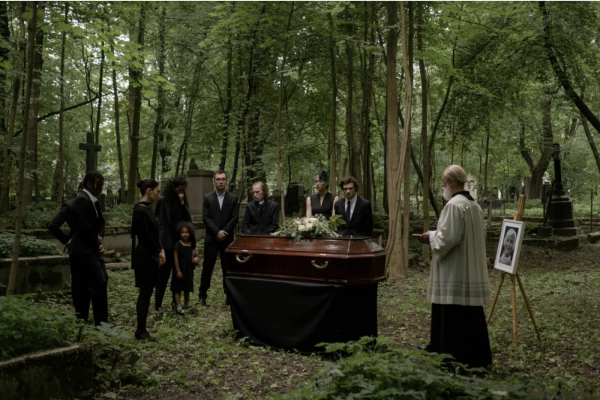
People said “Happy 18th” like it meant something.
It didn’t mean anything.
I didn’t want cake. I didn’t want presents. I just wanted Max to stop asking:
“When’s Mom coming back?”
We were still dressed in black when I knelt at the grave and whispered a promise:
“I won’t let anyone take you away from me. Never.”
But not everyone seemed to agree.
“It’s for the best, Ryan,” Aunt Diane said, her voice soaked in fake concern, handing me a cup of cocoa I never asked for. She and Uncle Gary invited us over a week after the funeral. We sat at their pristine kitchen table. Max played with his dinosaur stickers while they looked at me with pity.
“You’re still just a kid,” Diane added, resting a hand on my arm like we were old friends.
“You don’t have a job. You’re still in school. Max needs structure, guidance… a real home.”
“A proper home,” Gary chimed in, like they had rehearsed it.
I bit the inside of my cheek until I tasted blood.
These were the same people who forgot Max’s birthday three years in a row.
The ones who canceled Thanksgiving for a “cruise.”
Now they wanted to be parents?
The next morning, I found out they had filed for legal custody.
That’s when I realized this wasn’t about concern.
It was about strategy.
Deep down, I knew something was off. Diane didn’t want Max out of love.
She wanted something else.
And I was about to find out what.
I wasn’t giving up.
The day after Diane filed the petition, I dropped out of college.
When the office asked if I was sure, I said yes before they could finish the question.
College could wait. My brother couldn’t.
I took two jobs. By day, I delivered food with a forced smile no matter how rude the customers were. At night, I cleaned law offices—ironic, since I was preparing for a legal battle of my own.
We had to leave our childhood home. I couldn’t afford it.
Max and I moved into a tiny studio that smelled like floor cleaner and takeout.
The mattress touched one wall, the futon the other.
But Max still smiled.
“This place is small, but warm,” he said one night, wrapped like a burrito in a blanket.
“It smells like pizza… and home.”
His words almost broke me.
But they also gave me strength.
I filed for legal guardianship.
I knew I was young. I knew I wasn’t the obvious choice.
But I also knew Max needed me. And that had to count for something.
Then everything fell apart.
“He’s lying.”
I stood frozen, holding the Child Services report in my hands.
“What did she say?” I whispered.
The social worker couldn’t meet my eyes.
“She claims you leave Max alone. That you yell at him. That you’ve hit him… more than once.”
I couldn’t speak. Couldn’t think.
All I saw was Max’s face—his giggle when I made silly voices, the way he curled up next to me during storms.
I’d never hurt him.
But Diane had planted doubt.

And doubt is dangerous.
What I didn’t expect was Mrs. Harper—our neighbor, a retired third-grade teacher who watched Max while I worked double shifts.
She walked into court like it belonged to her, a manila envelope in hand and a pearl necklace gleaming like armor.
“That boy,” she said, pointing at me without hesitation,
“is raising his brother with more love than most parents give in a lifetime.”
Then she looked the judge dead in the eye and added:
“And I’d love to see anyone try to say otherwise.”
Winning in court wasn’t easy.
But Mrs. Harper’s testimony gave us a chance.
The judge delayed permanent custody and granted Diane supervised visitation.
It wasn’t a full victory, but it was a breath of air.
Every Wednesday and Saturday, I had to bring Max to Diane’s house.
It made my stomach turn, but the court ordered it.
I couldn’t afford to give them another reason to doubt me.
One Wednesday night, I showed up earlier than usual.
The house was too quiet.
Diane opened the door with her usual fake smile.
Max ran to me, cheeks red and dried tears on his face.
“She said if I don’t call her ‘Mom,’ I don’t get dessert,” he whispered, clinging to my hoodie like it was a life vest.
I knelt down and brushed his hair back.
“You never have to call anyone ‘Mom’ except our mom,” I told him. He nodded, even though his lip trembled.
That night, taking out the trash, I walked past Diane’s kitchen window.
I didn’t mean to eavesdrop, but I heard her clearly through the phone speaker.
“We have to speed this up, Gary. Once we get custody, the state releases the trust fund.”
I froze.
Trust fund? I didn’t even know Max had one.
I waited for her to finish the call, then spent the whole night digging.
My hands shook as I read the documents.
A $200,000 trust fund.
Set up by our parents—for Max’s future. College. Life.
And Diane wanted it.
The next night I returned. Same window. Same spot.
This time, I recorded it on my phone.
Gary’s voice came through loud and clear:
“Once the money hits our account, we can send Max to boarding school or something. He’s a burden.”
Then Diane laughed.
“I just want a new car. Maybe those Hawaii vacations.”
I stopped the recording. My heart pounding like a drum.
The next morning, I sent it to my lawyer.
After breakfast, I walked into Max’s room. He looked up from his coloring book.
“Is the bad part over?” he asked quietly.
For the first time in weeks, I smiled.
“It’s almost over.”
At the final hearing, Diane walked in like she was going to a church picnic.
Pearl necklace, fake smile, a tray of homemade cookies.
She even offered one to the bailiff.
But my lawyer and I came with something better: the truth.
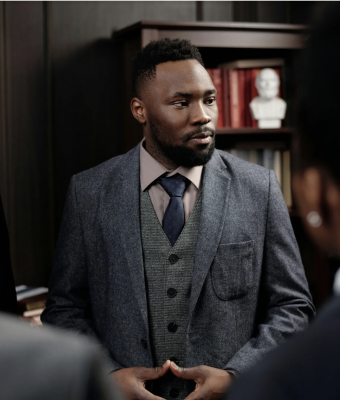
The judge—an austere woman—listened in silence as the audio played.
Diane’s voice echoed through the courtroom:
“Once we get custody, the state releases the trust fund...”
Then Gary:
“We can send Max to boarding school or something. He’s a burden.”
The judge’s expression shifted—from neutral to disgusted.
When the recording ended, the silence was suffocating.
“You manipulated this court,” she finally said, voice cold as steel.
“And used a child as a pawn—for money.”
Diane’s smile was gone.
Her lipstick cracked.
Gary’s hands shook.
They not only lost custody.
They were reported for attempted fraud.
The cookies sat untouched.
That afternoon, the judge granted me full legal guardianship of Max.
She even recommended us for housing assistance, commending my “exceptional effort under extraordinary circumstances.”
Outside the courthouse, Max grabbed my hand so tightly I thought he’d never let go.
“Are we going home now?” he asked, voice soft but steady.
I knelt and brushed his hair back like always.
“Yeah,” I said, holding back tears.
“We’re going home.”
As we walked down the steps, we passed Diane.
Her makeup smeared, her face twisted in bitter silence.
She didn’t say a word.
She didn’t have to.
Two years have passed.
I work full-time and take college classes online.
Max is in second grade and doing great. He tells his friends I’m his “big brother and hero.”
We still live in a small apartment.
We still argue about which movie to watch.
And we still laugh over badly told bedtime stories.
I’m not perfect.
But we’re safe.
We’re free.
We’re us.
Because love isn’t measured in years or bank accounts.
It’s measured in the fight.
And when Max looked at me tonight and whispered,
“You never gave up on me,”
I answered with the only thing that mattered:
“I never will.”