The debt that taught me to bloom
When the $25,000 Ivy loaned turned into three years of silence, she cut ties with the sister who had taken her for a fool. But karma doesn’t forget—and when it arrived, Ivy held the upper hand. Forgiveness might be on the table... but so is everything they lost.
I never thought I’d have to learn that loyalty and kindness could also be weaknesses—especially when it comes to your own sister.
It all began three years ago. I had just sold my little flower shop, a cozy space I had built from the ground up after college. For the first time in years, I could breathe. No debt, no stress—just the satisfaction of a healthy savings account and the freedom to think about my next chapter.

That’s when Lisa called.
She and her husband Rick were in trouble. I didn’t ask for every detail—just enough to understand that they were behind on their mortgage, on the brink of losing their home, and drowning in high-interest loans.
I could hear the panic in their voices, even as they tried to hide it.
“We just need a little time,” Lisa said, her voice cracking on the phone. “A year, tops. We’ll pay you back. I promise.”
Rick joined in.
“We can sign something, if it makes you feel better. We’re family. But I understand if you say no. I just want you to know—you’d be saving us. Truly.”
And I believed them. Of course I did. Not because I was naïve—but because I wanted to believe that if the roles were reversed, they would’ve done the same for me.
That was my first mistake.
The next morning, I transferred $25,000 into their account. It was most of what I had left after selling the shop. I even had them sign a written agreement—not notarized or legal, just a printed page we signed over coffee in their kitchen.
I thought that would be enough. That trust would carry the rest.
The first six months passed quietly. I didn’t bring it up. I didn’t want to be that person—the one who nags about money, especially not with my own sister. I told myself they’d reach out when they could.
Then a year passed. And another.

When I finally started asking—gently at first—I got vague excuses.
“It’s been a rough quarter,” Rick would say.
“The kids’ tuition hit us hard,” Lisa would add. “We haven’t forgotten.”
But I started noticing cracks.
Lisa posted photos of weekend getaways, new designer bags, and brunches at places where a single bill cost more than a week’s groceries.
Rick bought a brand-new SUV. I saw it parked proudly in their driveway—gleaming, arrogant.
I didn’t confront them then. I took photos. Screenshots. Not out of spite—out of survival instinct.
I finally confronted them at Thanksgiving. We were at Lisa’s house, surrounded by gourmet dishes and expensive wine. It looked like something out of a lifestyle magazine—perfectly curated.
I waited until the kids left the room. Then I leaned in, hands trembling in my lap.
“Hey,” I said calmly. “I want to talk about the loan. It’s been three years.”
“This again?” Lisa’s smile dropped like a curtain. “Come on, Ivy. We can’t keep having this conversation.”
“Seriously? You’re bringing this up over turkey dinner?” Rick didn’t even try to hide his irritation.
“Yes,” I said, looking at them both. “Because I’ve waited long enough.”
Lisa dropped her fork. The clatter echoed through the flawless dining room.
“You said it wouldn’t ruin you to help us,” she snapped. “You said it was okay! Why promise all that just to act like this now?”
“It wasn’t a gift,” I replied. “You made a promise. I gave you that money because I trusted you.”
“Technically, there’s no legal contract,” Rick added smugly. “That paper we signed wouldn’t hold up in court.”

“I’m not talking about court,” I said. “I’m talking about integrity. I trusted you.”
“You’re acting like we stole from you, Ivy!” Lisa stood up, her chair scraping loudly.
I left before dessert.
The walk to my car felt colder than it should have. I sat there for a long time, staring at the steering wheel, processing a feeling that wasn’t just anger.
It was betrayal—the kind that blindsides you and leaves a scar.
A week later, I brought the signed paper to a lawyer. He looked it over and gently shook his head.
“It’s too informal,” he said. “I’m sorry, Ivy.”
I could’ve pursued legal action... but I wasn’t after justice in court. Truthfully, I wasn’t after anything anymore.
So I did the only thing left to do: I cut them off. Deleted their numbers. Muted them on social media. I told our parents—politely—that I needed space.
They didn’t object.
Their silence said everything. Maybe they had seen more than they let on. Maybe they knew I was right to walk away.
Months passed. I grieved what I had lost—not the money, but the illusion that my sister and I had something real.
Then one afternoon, I ran into Julia, a mutual friend, outside a bookstore. We hugged and made small talk—until her face shifted.
“I heard what happened with Lisa and Rick. Is your sister okay?”
“I have no idea what you’re talking about,” I said. “We haven’t spoken.”
“Oh…” she hesitated. “Apparently they got audited. Rick had been hiding income from a side business, and they got hit hard. Lisa lost her job when it all came out.”

My eyebrows lifted, but I said nothing.
“They tried to sell the house to pay some of it, but it was already in foreclosure. They lost it last month.”
I stood there, letting her words sink in. Remembering every time I was ignored. Every time I stayed silent. Every time I told myself to be patient.
The truth had finally caught up to them.
Julia mentioned a court hearing. That Rick stormed out of the courtroom. But I wasn’t listening anymore. I didn’t need the details.
I already knew what this was.
It was karma. And it came hard.
Weeks later, my phone rang. Lisa’s name lit up on the screen like a ghost. I hesitated—then answered.
Her voice was barely a whisper.
“Ivy… I didn’t know who else to call. We’re losing everything. I’m looking for work, but it’s bad… really bad. Could you lend me something? Just for a few weeks…”
I closed my eyes, took a deep breath, and remembered every moment I felt used, ignored, and discarded.
“Lisa,” I said gently. “You still owe me \$25,000.”
“But I have nothing now, Ivy,” she whispered.
“I know,” I said. “That’s exactly how I felt for three years.”
After selling the shop, I started designing floral arrangements for weddings and small events. It’s slower, more intentional work—but every bill gets paid on time. Every bouquet reminds me that rebuilding doesn’t have to be loud. It just has to be yours.
She didn’t really apologize. Not truly.
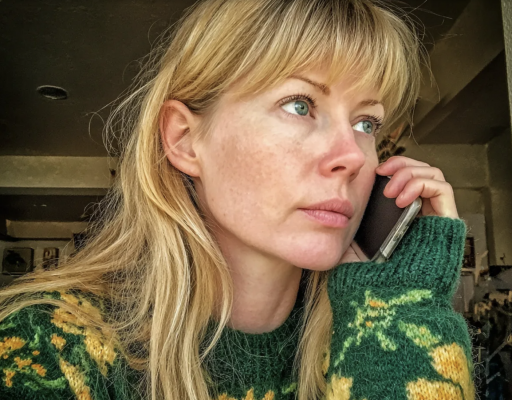
“I don’t know what to do, Ivy…” she sobbed.
“You’ll figure it out,” I told her. “Just like I did. Keep trying. I know it’s hard—but you’ll make it through.”
I hung up before she could say anything else.
It wasn’t revenge. Not even satisfaction. But I felt something click back into place.
Like the world had tilted back onto its axis.
It’s been a few months since then. I’ve rebuilt—not just financially, but myself.
I started with floral designs for local weddings, then added community event decor. Eventually, I created small workshops where women could learn to arrange flowers, set beautiful tables on a budget, and bring meaning through beauty.
Now, my savings are stable. My peace? Even better.
I still believe in helping others—but now I do it with intention, not obligation. That kind of loyalty must be earned. Not assumed. And family? Family doesn’t give you the right to exploit someone’s heart.
Because sometimes the real lesson isn’t in how you were betrayed—it’s in how you survive.
And I survived.
One Saturday, after a community workshop, we were sharing coffee, cookies, and almond cake—our little tradition.
Then I saw her.
Lisa. Standing in the doorway. Her posture hesitant, but her eyes steady.
“I heard you do these workshops,” she said softly. “And… I’m sorry, Ivy. For everything. I know I can’t undo the damage. But I’m trying to start over. I need to learn new skills. Can I join the next one?”
There was something in her eyes that wasn’t just desperation. Maybe seeing what I built from ashes made her want more than just survival.

I looked at her. Thinner, worn down. Something in her had cracked.
“Come next week,” I said. “The supply list is online.”
After the workshop, she waited outside. I offered to go to a nearby restaurant. She hesitated—then nodded.
Over dinner, she told me about job applications that never got responses, the small apartment where she lived with the kids, the nights she cried herself to sleep. I listened quietly.
I didn’t ask about Rick. I just stayed present.
“You’re doing better,” she said softly. “You look… strong.”
“I am,” I replied. “But I didn’t get here by accident.”

“I want to try, Ivy. Teach me…”
“Then try,” I said, sipping my coffee. “Just know this—I’ll support your growth. Not your excuses. That’s the difference now.”
She nodded.
And for the first time in a long time, it felt like a beginning.
Not a debt.