The emotional reason behind eating when you’re not hungry: Understanding the Japanese concept of 'Kuchi Zamishi'
The Japanese word kuchi zamishi (口寂しい) refers to the act of eating when you’re not actually hungry, but because your mouth feels lonely. While the literal translation is "mouth lonely," the term reflects something deeper—an emotional need rather than a physical one.
It’s an expression of comfort eating or mindless snacking, not driven by the body’s demand for food but rather by the desire for the sensation of eating, often in response to feelings like boredom, stress, or loneliness.
This behavior, although seemingly trivial, can be linked to deeper psychological factors. When a person eats for reasons other than hunger, it’s usually because they are trying to satisfy an emotional void.

Kuchi zamishi can be a way of comforting oneself, distracting from feelings of emptiness, or even alleviating anxiety.
The repetitive action of chewing and the sensory stimulation from food can provide temporary comfort, much like other habits people engage in when feeling anxious or restless, such as smoking.
In Japan, where life can often be fast-paced and stressful, the concept of *kuchi zamishi* highlights a more emotional relationship with food.
In a culture that places great emphasis on maintaining busy schedules and working hard, people might turn to eating as a way to occupy their time or soothe an inner restlessness.
Rather than eating out of hunger, they are eating out of an emotional need, with food offering a momentary distraction from the challenges of daily life.
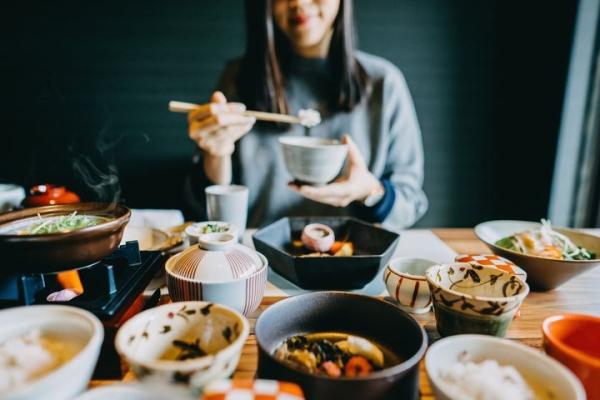
Japanese food culture, with its focus on the beauty and ritual of eating, typically associates food with nourishment and mindful enjoyment.
However, kuchi zamishi points to a more complicated relationship with food, where eating isn’t always about sustenance, but rather about fulfilling a deeper emotional need.
People who engage in this habit often gravitate toward comfort foods—simple snacks, sweets, or familiar treats that offer a sense of security or nostalgia.
Eating out of emotional need, rather than hunger, can also indicate feelings of loneliness. In Japanese society, communal meals are highly valued, and the act of eating alone can sometimes be seen as a sign of isolation.
Kuchi zamishi can be a subtle expression of this isolation, as it reflects the tendency to eat when one feels disconnected from others.
The practice points to the larger societal pressures of maintaining relationships and a sense of connection, and it reminds us that food sometimes becomes a tool for filling emotional gaps.
Interestingly, kuchi zamishi also reveals the awareness many people have in Japan about their eating habits and emotional states.

Some individuals may recognize when they are eating due to loneliness or boredom rather than actual hunger, which can serve as a cue to address the underlying emotional need in a healthier way, perhaps by reaching out to a friend or engaging in a different activity.
This self-awareness can help people navigate their emotional responses to food and find ways to cope with their feelings that don’t involve mindless snacking.
As modern life continues to change, the concept of kuchi zamishi has become increasingly relevant. In today’s world, people often snack during long workdays or late-night hours spent alone.
The habit of eating while distracted by a phone or television reflects a modern twist on kuchi zamishi, where food becomes a way to pass time or provide comfort in a busy and sometimes lonely world.
This has sparked interest in mindful eating, a practice that encourages individuals to pay more attention to the reasons behind their eating habits.
By doing so, they can distinguish between genuine hunger and the emotional impulses that drive unnecessary eating.
While kuchi zamishi is deeply rooted in Japanese culture, the experience it describes is universal. People from all over the world eat for emotional reasons, whether it’s the American phenomenon of "stress eating" or the European tendency to eat as a form of comfort.

In this way, kuchi zamishi transcends cultural boundaries, shedding light on the common human experience of using food to fill emotional voids.
In the end, kuchi zamishi serves as both a cultural insight and a reminder that sometimes we eat not because we need food, but because we’re trying to satisfy an emotional longing.
By understanding this behavior, we can gain a better understanding of how food connects to our emotional well-being, both in Japan and across the globe.