The garden war: How one woman outsmarted a terrible neighbor with flowers, bees, and patience
Mark moved in with a scowl and a lawnmower that operated with military precision. His neighbor offered him honey—and a chance at neighborly peace—but he responded with silence, disdain, and eventually… concrete. This is a story of resilience, revenge, and the mistake of underestimating kind people.
Neighbors come in all shapes and personalities. If you’re lucky, they’re warm—or at least quiet. But if you’re not, they bulldoze your peace, crush your joy, and shrink your world—one complaint, one glare, one burst of suppressed rage at a time.
I’m 70 years old, mother of two—David and Sarah—and grandmother to five. I’m also the proud owner of a home I’ve cherished for the past 25 years.
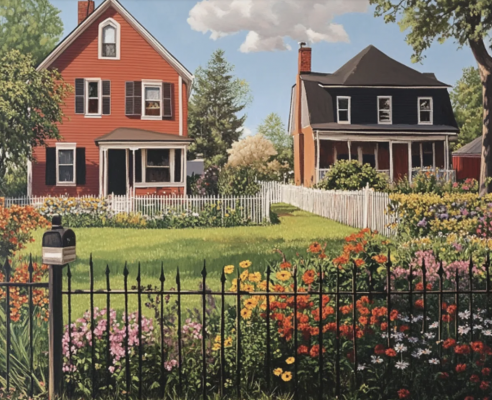
When I moved in, the yards melted into each other. No fences, no fuss. Just lavender, lazy bees, and the occasional borrowed rake. We waved from porches and shared zucchinis no one meant to grow.
I raised both my kids here. I planted every rose bush with my own hands and even named the sunflowers. I watched birds build clumsy nests and left peanuts for the squirrels I pretended not to like.

But last year, my paradise turned into a nightmare.
He moved in.
Mark. A man in his forties who wore sunglasses even on cloudy days and mowed his lawn in razor-straight lines like he expected a military inspection.
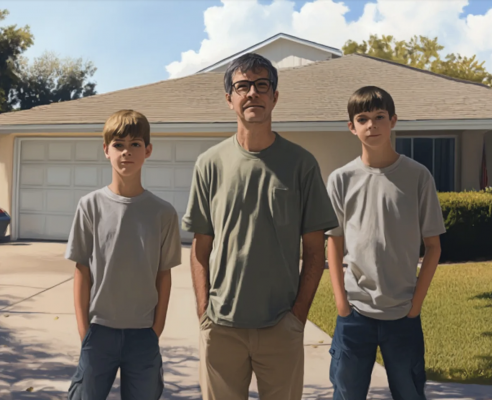
He came with his 15-year-old twin sons, Caleb and Jonah. The boys were polite and kind—they always said hello, though they weren’t around much. Mark shared custody with his ex-wife, Rhoda, and the kids mostly stayed with her. A warmer, quieter home, I imagined.
I tried to see if Mark had any of that warmth in him. He didn’t. He didn’t wave, didn’t smile, and seemed to hate anything that breathed—something he confirmed early on in our first disagreement:
“Those bees are a nuisance. You shouldn’t be attracting pests like that,” he yelled from across the yard while mowing, his tone dripping with disdain.
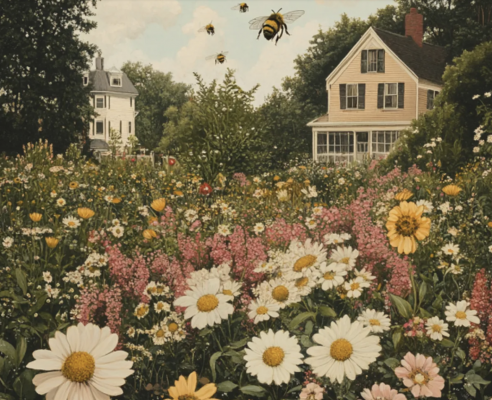
I tried to be kind, asking if he was allergic.
He looked at me—or rather, through me—and said, “No. But I don’t have to be allergic to hate those little parasites.”
That’s when I realized it wasn’t about the bees. This man simply hated life, especially when it came in color and moved without permission.

Still, I tried.
One day, I knocked on his door with a jar of honey. “Thought you might like this,” I said. “I can trim some of the flowers too, if they’re bothering you—”
I didn’t get to finish. He shut the door in my face. No words. Just a cold, dry slam.
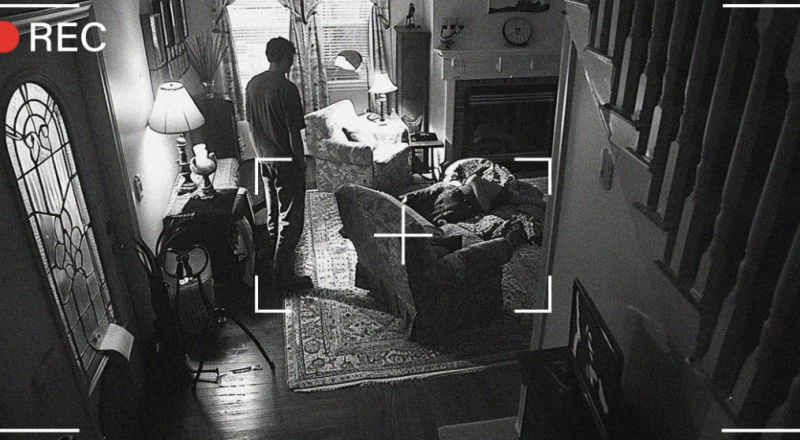
So, when I opened my back door one morning and saw my flower garden—my sanctuary—buried beneath a slab of fresh concrete, I didn’t scream. I just stood there, in my slippers, coffee cooling in my hand, the air thick with the bitter, dusty stench of cement... and contempt.
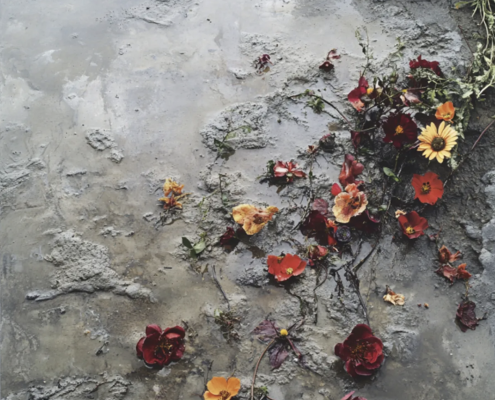
After I calmed down, I shouted, “Mark! What did you do to my garden?”
He looked me over with that smug smile—like he’d already decided I was just a nuisance.
“I’ve complained about those bees enough. Thought it was time to do something about it.”
I folded my arms, heavy with his disdain. “Do you really think I’m just going to cry and let this go?”
He shrugged, sunglasses hiding the sneer.
“You’re old. Soft. Harmless. What do a few flowers and bees matter to someone who won’t be around much longer?”
I said nothing. Just turned around and went back inside.
Let him think he’d won.
But the second I closed my door, I knew it wasn’t over. Not even close.
What Mark didn’t know is that I’ve survived childbirth, menopause, and thirty years of PTA meetings. I know how to play the long game.
First, I went to the police. What he did was illegal—property damage, clear as day.
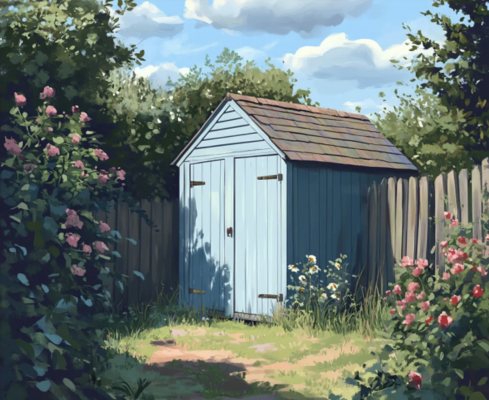
Next, I reported his illegal shed. Built without permits, right on the property line. The inspector confirmed it encroached two feet into my yard. He had thirty days to take it down. He didn’t. The fines started piling up.
Then came the city crew. Bright orange vests. Sledgehammers. They tore it down, slow and methodical. Poetic, really. And the bill? Let’s just say karma doesn’t forget—interest included.
But I wasn’t done.
I filed a claim in small claims court, armed with a binder so thick and organized it deserved its own library card—photos, receipts, dated notes tracking every bloom in that garden.
I wasn’t just angry. I was prepared.
On the day of the hearing, he showed up empty-handed, scowling. I showed up with proof—and righteous indignation.
The judge ruled in my favor, of course. He was ordered to undo the damage: break up the concrete, bring in fresh soil, and replant every single flower—roses, sunflowers, lavender—exactly as they were.
Watching him carry out that sentence was justice no hammer could match. Under the blazing July sun, shirt soaked with sweat, arms covered in dirt, with a court supervisor standing by clipboard-in-hand, hawk-eyed.
I didn’t lift a finger. Just watched from my porch, lemonade in hand, while karma did its slow, gritty work.

And then… the bees came back.
Not a few—dozens. The local beekeeping association was thrilled to help build a pollinator sanctuary. They helped me install two active hives, and the city even gave me a grant to support it.
By mid-July, the garden bloomed back to life—buzzing, brilliant, radiant. The sunflowers leaned over the fence like curious neighbors, petals whispering secrets. And the bees? They took a special interest in Mark’s yard, drawn to the open soda cans and the garbage he never remembered to cover.
Every time he came out, muttering and swatting, the bees hovered—just close enough to remind him of his past.
I watched from my rocker, smiling sweetly.
Just a harmless little old lady, right? The kind who plants flowers, tends bees… and never forgets.

So, what can we learn from Mark about how not to treat your neighbors?