

The global shift toward reusing garbage: Countries leading the way
As the world faces an escalating waste crisis, many countries are stepping up efforts to reuse, recycle, and reduce waste in innovative ways.
From the streets of Tokyo to the recycling plants in Sweden, some nations are pioneering the art of repurposing a wide array of garbage.
In this article, we’ll explore which countries are leading the charge when it comes to reusing various types of garbage—and what lessons we can all learn from their efforts.
Sweden has become a global leader in waste management and recycling. The Scandinavian country recycles or reuses about 99% of its waste, making it one of the most efficient in the world when it comes to reducing landfill use. Sweden’s secret lies in its waste-to-energy technology, which transforms garbage into heat and electricity. This process not only provides energy to homes but also ensures that less waste ends up in landfills.
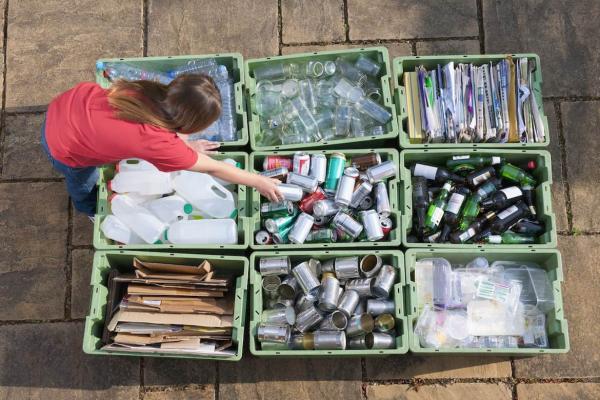
Additionally, Sweden is known for its highly successful deposit-return system for bottles and cans. Consumers pay a small deposit on bottles, which is refunded once the bottle is returned for recycling. This system has been so successful that it has become a model for other nations.
Japan has long been a leader in managing waste, particularly through its meticulous waste separation system. Cities like Kawasaki and Kamigamo require residents to separate waste into dozens of categories, including burnable, non-burnable, and recyclable items. This level of detail ensures that as much garbage as possible is recycled or repurposed.
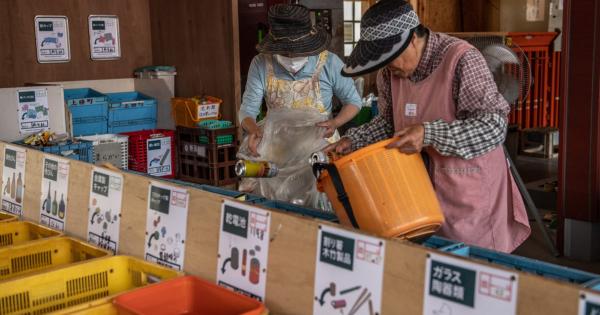
Japan also excels in e-waste recycling, where used electronics like old smartphones and televisions are carefully dismantled to reclaim valuable metals and components. The country’s innovative approach to recycling has extended to many areas, such as recycling textiles, reusing plastics, and even cooking oil, which is converted into biodiesel.
Germany is renowned for its green initiatives and commitment to sustainability. The country boasts one of the highest recycling rates in the world, with over 56% of its municipal waste being recycled. Germany's "Green Dot" program, which requires producers to pay for packaging that will eventually be recycled, has been a key factor in this success. This initiative encourages manufacturers to reduce packaging waste and encourages consumers to sort their trash efficiently.
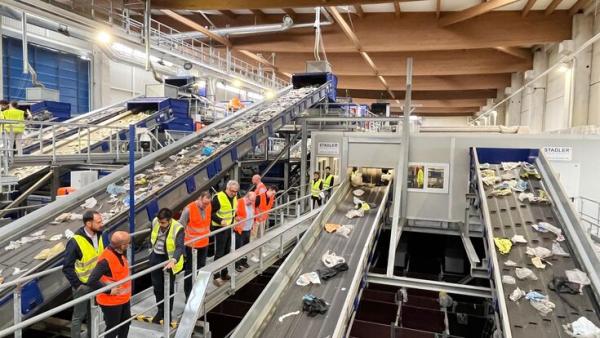
Germany also promotes the circular economy, a model that ensures materials are reused and recycled into new products, minimizing the need for raw materials. A prime example is their recycling of construction waste, where old materials are processed and reused in new construction projects.
The Netherlands is another country making waves in waste reuse and recycling. Amsterdam, in particular, is at the forefront of the country's efforts to implement a circular economy. One of the Netherlands’ most notable achievements is the reuse of plastic waste. The country has developed technologies that convert plastic waste into raw materials used in construction, manufacturing, and even textiles.
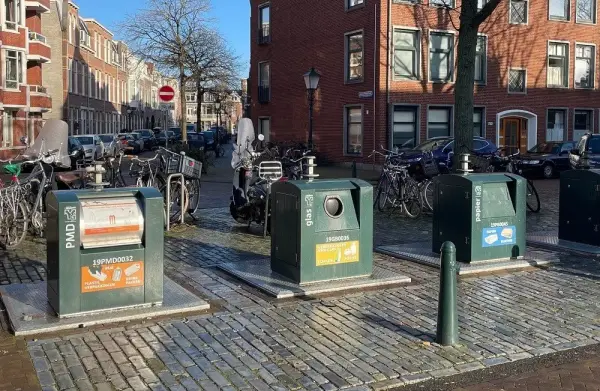
The Dutch are also known for their innovative urban farming initiatives, which often involve reusing food scraps to create compost and organic fertilizer for agricultural purposes. The Netherlands’ commitment to sustainability extends to their bike culture, where old bicycles are often refurbished and reused, helping to reduce the demand for new bikes and their associated waste.
South Korea has made impressive strides in waste management, achieving remarkable success with its volume-based waste fee system. In the 1990s, South Korea introduced a waste collection program that charged households based on the amount of garbage they threw away. This system incentivized people to recycle more and reduce waste. As a result, South Korea now recycles nearly 60% of its municipal waste.
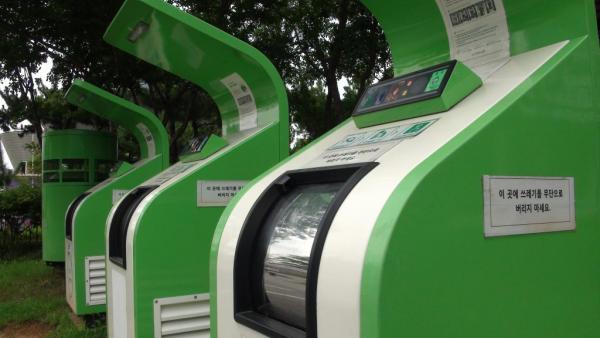
The country has also been a pioneer in food waste recycling. Through innovative technology, South Korea converts food scraps into animal feed, compost, and biogas. In fact, food waste recycling is mandatory for all households, and the collected waste is sent to facilities that process it into useful products, such as compost for agriculture.
Finland is another country that is embracing the circular economy model, which focuses on reducing waste by reusing, repairing, and recycling products. Helsinki, Finland’s capital, is known for its waste-to-energy plants, which turn waste materials into clean energy. The country also leads in biodegradable waste management, with a focus on composting and reusing organic waste in urban farming projects.
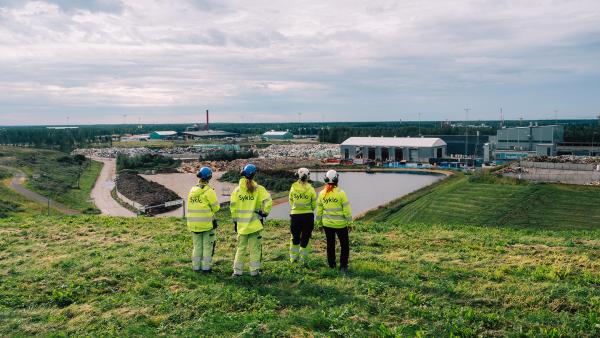
A notable example of Finland’s innovative approach is their extensive plastic recycling program, which has enabled companies to recycle a wide variety of plastics into new, usable materials. Finland is also committed to reducing its carbon footprint through efficient waste management practices, aiming to be carbon neutral by 2035.
Norway is another Nordic country that excels in waste management. The country has a well-established system for collecting recyclable materials, including glass, paper, metal, and plastics. It has adopted a "pay-as-you-throw" scheme where individuals and businesses are charged for the amount of non-recyclable waste they generate.

Norway also places a significant emphasis on reusing textiles and repurposing electronic waste. The country encourages second-hand markets, where used items are bought and sold, keeping goods in circulation and reducing the demand for new products. This is part of a broader trend in Scandinavian countries where the practice of repairing and reusing items has become more mainstream.
The countries leading the way in waste reuse and recycling share several common traits:
Government policies that incentivize recycling and waste reduction.
Public education on the importance of waste separation and sustainability.
Innovative technologies that enable waste to be repurposed in creative ways.
As the world grapples with a growing waste crisis, these nations offer valuable lessons on how to manage garbage more effectively, create sustainable practices, and reduce the environmental impact of waste. By implementing similar strategies in other parts of the world, we can make significant strides toward a cleaner, more sustainable planet.

Reusing garbage is no longer just a practice—it’s a global movement that is reshaping the way we think about waste. As more countries adopt these recycling and reuse strategies, we’ll see a growing shift toward sustainability, reducing pollution, and conserving resources.
Countries like Sweden, Japan, and Germany are leading the way, but the global community must work together to create a future where waste is minimized, and resources are used more efficiently.
The more we embrace the principles of reusing and recycling, the better our chances of building a sustainable future for all.


