The harsh lesson of the mountain: How a spoiled young man learned the true meaning of hard work and real wealth
I used to think I had life all figured out—money, comfort, no hard work. Then my father snapped. One moment, I was nestled in my warm bed, the next, I found myself abandoned in the mountains, like an unwanted package. No phone signal. No way out. Just an old wooden house and a lesson I never saw coming.
I was deep in sleep, cocooned in the warmth of my blankets, lost in a dream I wouldn't remember, when suddenly—whoosh—the curtains flew open.
A harsh screech of metal against the rod, followed by—BAM!
Sunlight flooded the room, blinding me. It seared through my eyelids, dragging me out of sleep.
“What the—?” I groaned, fumbling for my pillow to shield my face.
“Get up,” my father’s voice thundered, thick with disappointment.

I cracked one eye open, barely making out his silhouette against the blinding sunlight. His arms were crossed, his stance rigid.
I groaned again, rubbing my eyes. “What’s going on, Dad?”
“You sleep like royalty,” he snapped. “Meanwhile, when I was your age, I worked day and night. You think life’s easy, don’t you?”
I blinked hard and sat up. His lectures always came at full volume, even first thing in the morning.
“You’ve been fired from every job I’ve given you,” he continued, his voice growing sharper. “You walk around like the world owes you something. I’m done with it.”
The same old speech again. I could’ve recited it word for word.
How he started with nothing. How he worked himself to the bone. How he built everything from the ground up. How I had no idea what real work was.
I stretched and yawned, “Dad, come on. A poor life isn’t for me. I was born to be rich.”
His nostrils flared.
I smirked, enjoying the reaction. “If you'd had money, you would’ve been just like me.”
His jaw clenched so tight, I thought his teeth might snap.
“You think so?” His voice dropped, lower now. The dangerous kind of quiet.
I shrugged. “I know so.”
The air in the room shifted. My father took a step back, shaking his head as if he had made a decision.
“Fine,” he said, voice even now. “You want to see how real men live? You’ll get your chance.”
I snorted, “Oh yeah? And what, you’re going to teach me some life lesson?”
He didn’t smile.
“No,” he said, his voice calm, too calm. “He will.”
My stomach twisted. I should’ve known then—when my father stopped yelling and got calm—that I was in real trouble.
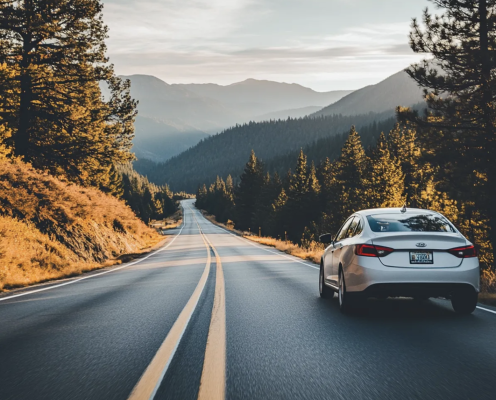
The engine’s rumble faded into the distance, swallowed by the endless stretch of trees. My father’s car was already a blur through the dust cloud it kicked up.
“Dad!” I yelled, sprinting forward, gravel crunching beneath my sneakers. “You can’t just leave me here!”
A hand popped out the driver’s window, offering a lazy, mocking wave. “Follow the path. You’ll find the house.”
And just like that, he was gone.
I stood there, stunned, watching the dust settle. Silence wrapped around me like a thick, suffocating blanket. No cars, no voices, not even the hum of the city I was used to. Just the whisper of wind through towering pines and the occasional chirp of an unseen bird.
I turned in a slow circle. Trees in every direction.
The road behind me stretched out like a forgotten scar through the wilderness, but ahead? Nothing. No signs, no houses. Just dirt, rocks, and roots twisted through the earth like veins.
I yanked out my phone. No service.
Naturally.
I let out a sharp breath and muttered a string of curses under my breath. “Perfect.”
I started walking. The dirt path wound through the trees like it had no real destination. The sun beat down, sweat beading at my neck. I swatted at a mosquito, then another.
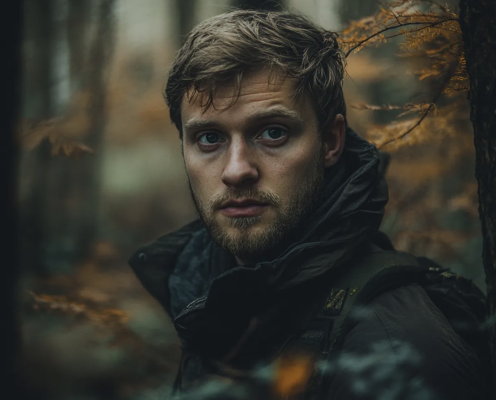
Within minutes, they were everywhere, buzzing around my ears, biting my arms, neck, and hands.
"Seriously?" I groaned, smacking one against my wrist.
My new sneakers—pure white when I left home—were already coated in dust, their soles collecting mud and tiny pebbles. Every few steps, I had to stop and shake them out.
An hour passed. Then another. My stomach twisted with hunger, my throat dry as sandpaper.
The air smelled of damp earth and pine, but there was nothing even remotely close to civilization.
Finally, the house appeared.
Tucked between the trees, it looked like it had been waiting for me—the wooden cabin was ancient. The walls were darkened with age, the porch sagging slightly in the middle. The windows were small, their glass smudged with dust and streaks of rain.
I didn’t care how it looked. I stumbled forward and shoved open the door with more force than necessary. My backpack slid off my shoulder, hitting the floor with a dull thud.
The first thing I noticed was the smell—warm, rich food. My stomach twisted again, sharper this time.
On the table sat a bowl of soup, fresh bread, thick slices of roasted meat, and a glass of what looked like homemade juice.
Steam curled up from the food, carrying the scent of garlic, herbs, and something almost smoky.

I didn’t think. I just moved.
I collapsed into a chair, grabbing a piece of bread and tearing into it like I was starving. The crust was warm and slightly chewy.
The soup—thick, golden, speckled with herbs—burned my tongue, but I didn’t care. I ate fast, barely pausing to breathe.
Then, a voice.
“You didn’t even wash your hands.”
I choked, coughing as a chunk of bread got stuck in my throat. I spun around so fast that the chair legs scraped against the wooden floor.
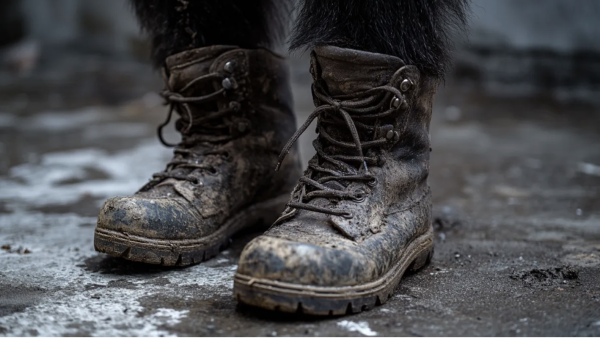
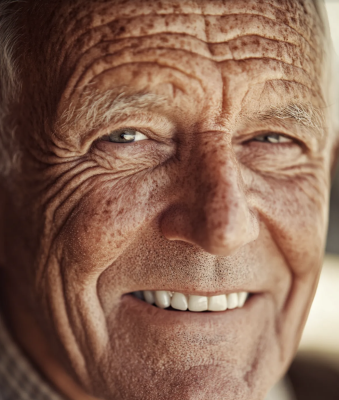
A man stood in the doorway. Tall. Bearded. His face was carved with deep lines, like tree bark worn by time. His clothes were rough, faded with wear, and his boots were caked in dried mud.
He stood there, arms crossed, watching me with an expression somewhere between amusement and mild disappointment.
He looked like he belonged to this place, like he was part of the mountain itself.
I swallowed hard. “Uh—I was hungry.”
He stepped inside, his boots heavy against the wood, shaking his head. “And you’re rude, too.”
I wiped my mouth with the back of my hand, suddenly feeling like a scolded kid. “Who are you?”
The old man let out a dry chuckle. “That’s a better question, boy.”
He lowered himself into a chair across from me and rested his forearms on the table. “Who are you?”
I frowned. “My dad sent me here. Said you’d teach me something.”
The old man studied me for a long moment, then smirked.
“I can already tell this is going to be fun.”
The next morning, I woke up feeling like I’d been run over by a truck. Every muscle in my body ached.
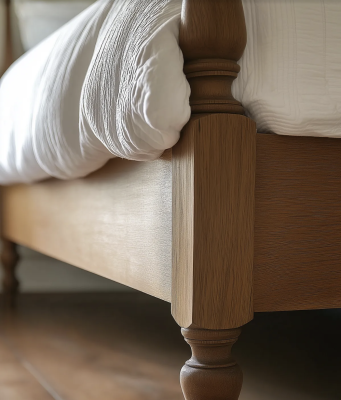
The stiff wooden bed hadn’t done me any favors, and the thin blanket barely kept out the cold night air.
Back home, I would’ve sunk into my soft mattress, scrolled through my phone, and ignored the world. Here? No such luck.
I groaned as I sat up, rubbing my neck. The scent of pine and damp earth drifted through the open window. Outside, I heard the steady thunk of an axe splitting wood.
I dragged myself out of bed and stumbled to the doorway. There he was—Jack, the old man. His movements were steady, his arms strong despite his age. The axe came down with sharp precision, splitting each log clean in half.
“Listen,” I said, trying to sound reasonable. “I get it. Hard work is important, money isn’t everything, blah blah. Just tell my dad I’ve changed so I can go home.”
Jack didn’t even pause. He just let out a rough laugh and shook his head.
“Nice try, kid,” he said, wiping sweat from his forehead.
“Okay, fine. What if I pay you?” I reached into my jacket and pulled out a wad of emergency cash. “How much do you want?”
Jack’s expression shifted. His eyes darkened, and the amusement vanished from his face.
Without a word, he grabbed the cash, walked to the riverbank, and tossed it in.
I gasped. “Are you insane?!”
Jack turned to me, his voice steady. “You think money solves everything?”
I clenched my fists, my pulse pounding in my ears. “Yeah, actually, I do.”
Jack smirked, then kicked an axe toward my feet. The handle hit the dirt with a dull thud.
“Then let’s see how much your money helps you chop wood.”
That night, after what felt like an endless day of chopping, lifting, and sweating, I collapsed into a chair, utterly drained.

My arms hung heavy at my sides, my legs throbbing with exhaustion. My hands were raw with blisters, dirt smeared into the creases of my fingers.
In front of me sat a plate of food—soup, bread, meat. The smell curled through the air, warm and inviting.
Normally, I would’ve devoured it without a second thought. But now? It felt different.
I tore off a chunk of bread, chewing slowly. It wasn’t just food. It was fuel. I had earned it, sweated for it. And for the first time, I felt like I’d earned something.
Jack sat across from me, sipping from a mug. His eyes crinkled slightly in amusement. “Not so bad, huh?”
I grumbled between bites. “Still would’ve preferred a five-star restaurant.”
Jack chuckled. “Figures.”
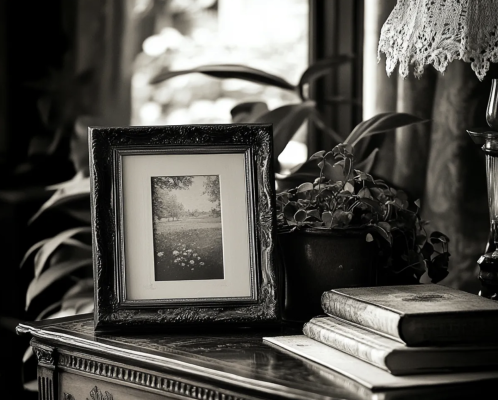
That’s when I noticed something—a faded photograph on a dusty shelf.
I picked it up and stared at it, my chewing slowing.
The younger man in the photo was unmistakable. The strong jaw, the determined eyes. Jack. But standing beside him was someone I knew. Someone who looked much younger than I had ever seen him.
My father.
I shot up, nearly knocking my chair over. “Wait a second.”
I grabbed the photo and stared at it. “You’re—” I swallowed. “You’re my grandfather?”
Jack took a slow sip of his drink. “Took you long enough.”
My mind raced. This didn’t make sense.
My father had always talked about his father—how he built the company from the ground up, how he made a fortune.
“But… Grandpa founded Dad’s business. He’s rich! Why would he live out here like… like some hermit?”
Jack didn’t blink. “Who said I’m poor?”
I stared at him. “Then why?”
He leaned forward, resting his arms on the table. The candlelight flickered, casting shadows on his weathered face.
“Because real wealth isn’t in numbers,” he said. “It’s in what you build with your own hands.”
For the first time in my life, I had nothing to say.
The next morning, I woke up before the sun—not because someone yanked open the curtains or yelled at me. Not because I had to.
Because I wanted to.
The air was crisp, carrying the scent of damp wood and earth. The sky was still bruised with night, the horizon barely whispering orange.
My body ached from the day before, my muscles stiff, my hands rougher than they'd ever been. But instead of groaning and rolling over, I climbed out of bed.
Outside, the axe leaned against the chopping block, waiting.
I wrapped my fingers around the handle, adjusted my stance just like Jack had shown me, and swung.
The blade cracked against the wood, splitting the log clean in two. I exhaled, my chest rising and falling with the rhythm of the work.
Again. Another log. Another swing. Another clean break.
I didn’t hear the car at first. The engine’s low rumble only reached my ears when it finally came to a stop.
I turned.
There he was.
My dad.
He stood next to his car, arms crossed, eyebrows raised. His suit looked too stiff, too clean. His gaze flicked between me and the axe in my hands.
“Well,” he said, his voice thick with something I couldn’t place. “That’s a surprise.”
Jack stepped out from the porch, nodding at my father. “Told you he’d be fine.”
Dad exhaled, studying me. “So, you ready to go home?”
I looked at him. Then at Jack.
I hesitated.
“I was actually thinking,” I said, shifting the axe to my side, “maybe I’ll stay for dinner. You should, too.”
Dad blinked. Twice.
“You want to stay?”
I nodded. “Yeah. I think I finally figured out what I was missing.”
Jack grinned, his eyes crinkling.
And for the first time in my life, I understood what real wealth felt like.