

The health risks of wearing a tight tie: Blood flow and germs
Studies have revealed that wearing a tie may have negative impacts on health, particularly in terms of blood flow to the brain.
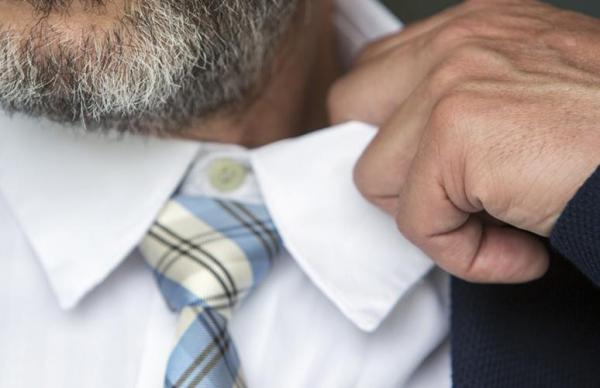
Research conducted in 2018 found that wearing a tight tie can reduce cerebral blood flow by as much as 7.5%. This temporary blockage can lead to various discomforts and health issues, such as dizziness, nausea, and headaches
The research showed that the pressure exerted by the tie around the neck can restrict blood vessels, making it difficult for blood to circulate properly to the brain.

This can result in feelings of fatigue, lack of concentration, and an increased risk of headaches due to a decrease in oxygen and nutrients reaching the brain.
Furthermore, if the tie is too tight, it can increase pressure in the eyes, causing visual discomfort and even long-term eye problems. This effect is particularly concerning for individuals who already have vision issues or high eye pressure.
Another concern is that ties can become a nest for germs. They are often touched, adjusted, and rubbed against surfaces, which facilitates the collection of bacteria and other microorganisms.
Continuous use and inadequate cleaning can lead to the spread of germs to the skin and even the eyes, increasing the risk of infections.
To avoid these issues, experts recommend wearing ties that are not too tight and ensuring that the knot is comfortable without restricting blood circulation. It is also important to regularly clean ties, as they are an accessory that comes into direct contact with the skin, accumulating dirt and germs over time.
Although ties are a popular clothing item in many formal and professional settings, it is important to be aware of their potential health effects and take the necessary measures to minimize any discomfort.


