

The hidden reality behind Dubai’s 7-star Burj Al Arab Hotel
The Burj Al Arab in Dubai, often labeled a "7-star hotel," is globally recognized as a symbol of ultra-luxury and architectural innovation.
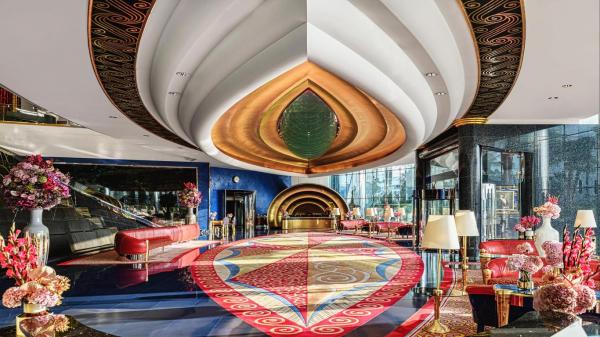
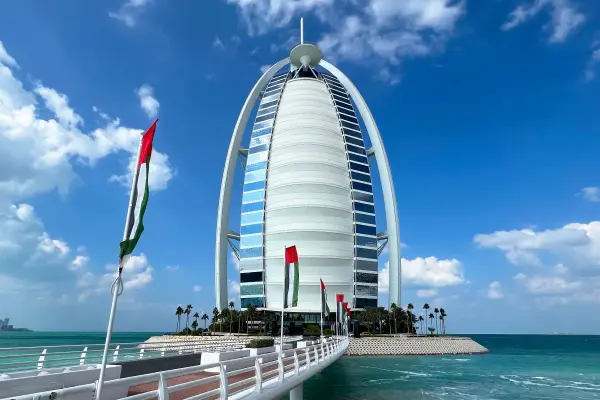
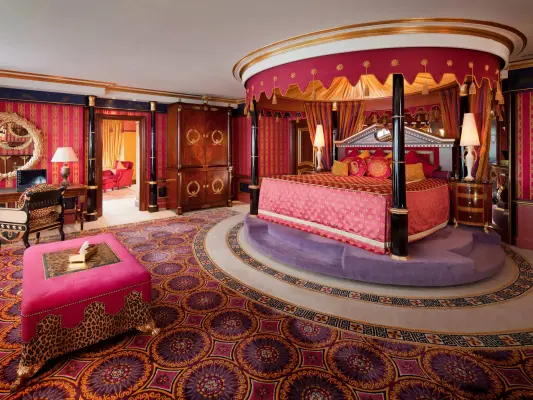
Built on an artificial island and designed to resemble the sail of a traditional dhow boat, its dramatic silhouette and opulent interiors have made it an iconic structure. However, behind its glittering facade lies a more complex and troubling story.
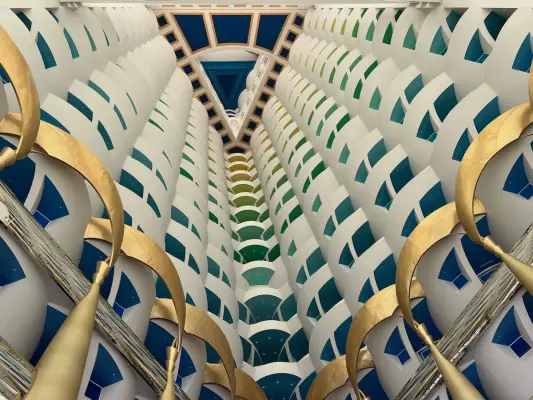
While the hotel is celebrated for its aesthetic appeal, a significant portion of its towering height is uninhabitable, raising concerns about whether its grandeur compromises practical utility in favor of visual spectacle.
The darker reality begins with the people who built this landmark. Like many grand construction projects in the UAE, the Burj Al Arab relied heavily on a migrant labor force, primarily from South Asian countries.
These workers often endure poor working conditions, substandard wages, and overcrowded living arrangements, with minimal legal protections or recourse.
Numerous human rights reports have documented these issues, shedding light on the exploitative labor practices that underpin much of Dubai’s rapid development.
This situation is further complicated by the broader socio-economic dynamics within the UAE. Migrant laborers form a large percentage of the population but remain marginalized, lacking the rights and privileges afforded to Emirati citizens.
Policies such as Emiratisation, which prioritize employment for nationals, often deepen this divide, creating a stratified society where the majority of laborers contribute significantly to the economy but receive little in return.
On a national level, the United Arab Emirates has come under international scrutiny for its approach to human rights. The country maintains strict limitations on freedom of speech, and political dissent is met with harsh penalties.
Reports of arbitrary detentions, forced disappearances, and systemic discrimination against women and foreign workers add to growing concerns from human rights organizations around the world.

Ultimately, while the Burj Al Arab stands as a beacon of modern luxury and ambition, it also serves as a reminder of the ethical and social issues that persist beneath Dubai’s glamorous surface.
The challenge ahead lies in reconciling these stunning architectural achievements with a commitment to fair treatment, transparency, and human dignity for all who contribute to the city’s growth.


