

The Lasting Impact of Schindler’s List: A Film That Changed the Way We Remember History
In 1993, director Steven Spielberg released Schindler’s List, a harrowing yet deeply human portrayal of the Holocaust that has since become one of the most influential films in modern cinema.
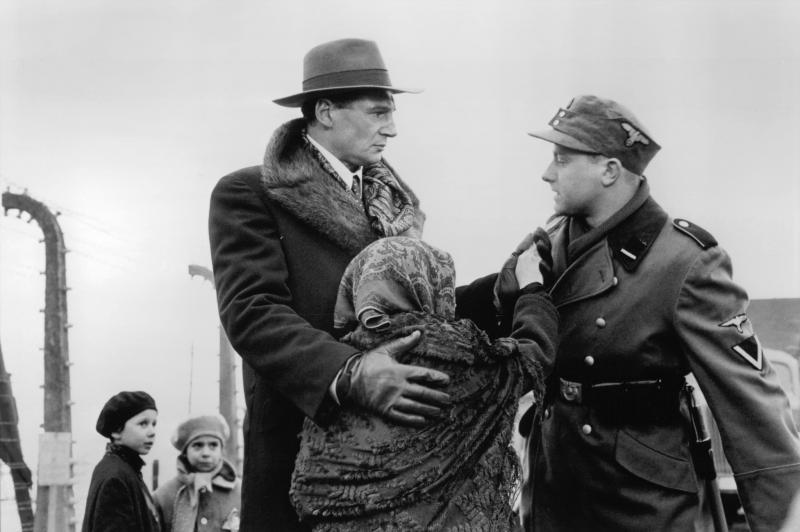
Based on the true story of Oskar Schindler, a German industrialist who saved over 1,200 Jews from extermination during World War II, the film resonated far beyond the silver screen, shaping public understanding and remembrance of one of history’s darkest chapters.
Shot predominantly in black and white, Schindler’s List uses stark, haunting visuals to evoke the bleak reality of the Holocaust.
Spielberg’s decision to film in this style was a deliberate artistic choice, lending the story a documentary feel that brought historical events into stark relief. The film’s raw emotional power is further amplified by John Williams’ haunting score and the unforgettable performance of Liam Neeson as Oskar Schindler.
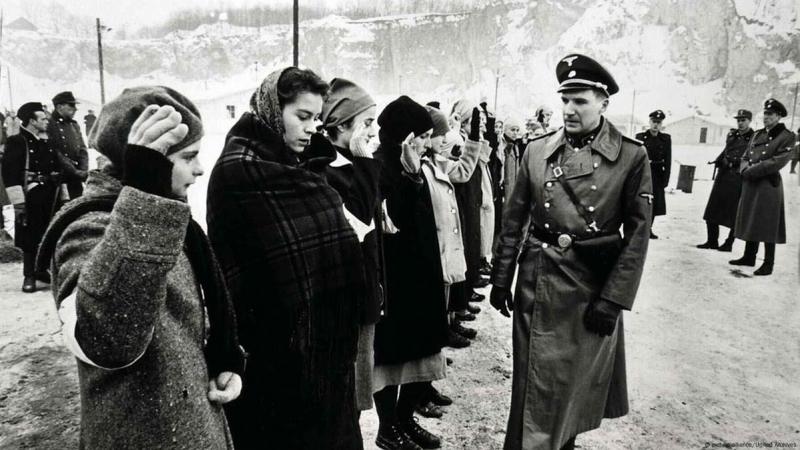
But what truly sets the film apart is its balance of despair and hope. Despite the horrific circumstances, it tells a story of individual courage and humanity amidst widespread cruelty—a narrative that continues to inspire generations.
Before Schindler’s List, the Holocaust was a topic largely confined to history books and survivor testimonies, often difficult to fully grasp in its human dimensions. The film changed that by making the tragedy visually and emotionally accessible to a global audience.
Schindler’s List sparked a wave of Holocaust education initiatives around the world. It became a teaching tool in schools, helping young people connect with history on a deeply personal level. The movie also prompted many to reflect on the importance of tolerance, human rights, and the dangers of hatred and bigotry.
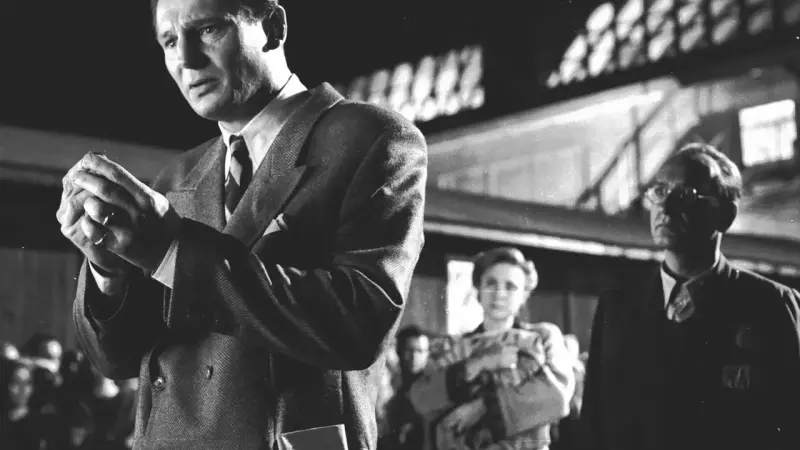
The impact of Schindler’s List goes beyond its historical subject matter. It helped solidify Steven Spielberg’s reputation as a filmmaker who could tackle complex, serious issues with sensitivity and skill. The film also won seven Academy Awards, including Best Picture and Best Director, cementing its place in cinematic history.
Moreover, the movie contributed to preserving the memory of the Holocaust survivors and victims, ensuring that their stories would not be forgotten. In fact, Spielberg himself was inspired to found the USC Shoah Foundation, an organization dedicated to recording and preserving survivor testimonies worldwide.

Schindler’s List is not just a film; it is a cultural milestone that transformed how we engage with history through cinema. Its enduring impact lies in its ability to educate, inspire, and remind us of the power of individual action in the face of evil.
As both a work of art and a historical testament, it stands as a profound example of film’s unique ability to shape collective memory and conscience.


