The man who survived a tamping iron through his brain
In the mid-1800s, a dramatic accident involving a railroad worker named Phineas Gage became one of the most significant events in the history of psychology.
On September 13, 1848, Gage was overseeing the construction of a railroad in Vermont when the unimaginable happened. While using a tamping iron to pack explosive powder into a rock, an unfortunate spark caused the powder to ignite prematurely.

The resulting explosion sent the iron rod hurtling through Gage's face, entering just below his left eye and exiting through the top of his skull. Miraculously, he survived.
Despite the severity of his injury, Gage was conscious almost immediately after the incident, able to speak and even walk. However, the aftermath of his injury revealed something extraordinary.
Although his physical recovery was remarkably swift, his personality underwent a profound transformation. Before the accident, Gage had been known as a calm, responsible, and well-liked individual.
But afterward, he became impulsive, irritable, and frequently displayed inappropriate behavior, including swearing and making reckless decisions.
This change in behavior led to significant interest from medical professionals, and Gage's case soon became a landmark study in the field of psychology.
The damage to his brain, particularly the frontal lobes, provided the first real evidence that different parts of the brain are responsible for specific aspects of personality and decision-making.
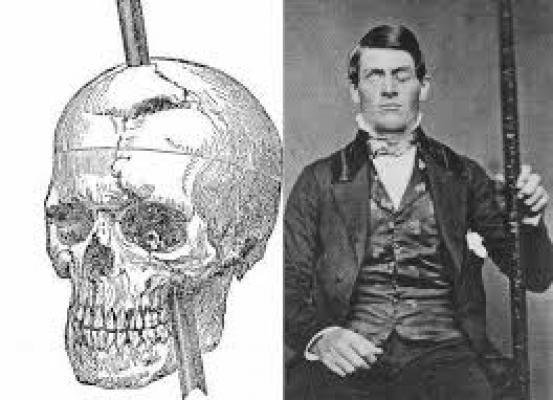
The frontal lobes, particularly the prefrontal cortex, play a crucial role in regulating emotions, controlling impulses, and guiding social behavior. Gage's case helped demonstrate how injury to this area could drastically alter a person's character.
Though Gage's physical wounds healed relatively well, his personality was permanently changed, offering scientists and psychologists a rare glimpse into the effects of brain injury on behavior.
Over the years, his case became a cornerstone in the study of neuropsychology, showing that our sense of self and how we engage with the world are deeply connected to the structure and function of our brains.
Today, Gage's skull and the tamping iron are displayed at Harvard Medical School, and his story continues to be a pivotal example of the mind-body connection.
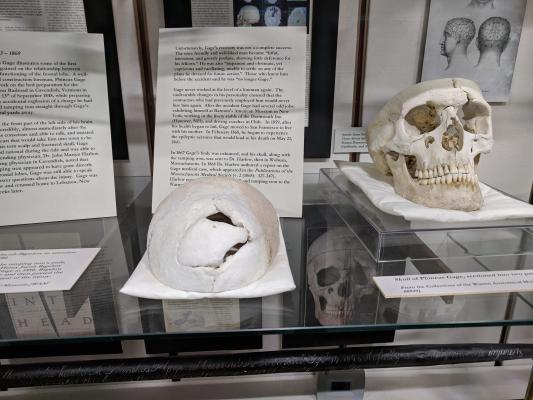
Phineas Gage's experience was not just an incredible survival story, but also an important scientific revelation. His case highlighted the relationship between the brain's physical structure and the behavior of an individual, forever changing our understanding of personality and the brain's complexities.
It serves as a reminder that who we are—our decisions, behaviors, and interactions—is shaped not only by psychological factors but also by the intricate workings of our brain.