

The rise of remote work 2.0: What’s next after the hybrid model?
When the pandemic hit in 2020, remote work went from a perk to a necessity almost overnight. What followed was a global experiment in working from home, and for many companies, it actually worked. But as the dust settles and we enter 2025, something new is taking shape—**Remote Work 2.0**, a phase beyond hybrid models, shaped by innovation, flexibility, and a rethinking of the very concept of work.
From hybrid to hyper-flexible
The hybrid model—splitting time between home and the office—was supposed to be the sweet spot. But it turns out that forcing people into rigid schedules (e.g., “3 days in, 2 days remote”) doesn’t account for different work styles, personalities, or life circumstances.
Remote Work 2.0 is about personalization. Companies are moving away from one-size-fits-all policies and toward dynamic flexibility—where employees choose when, where, and how they work, guided by productivity and outcomes, not presence.
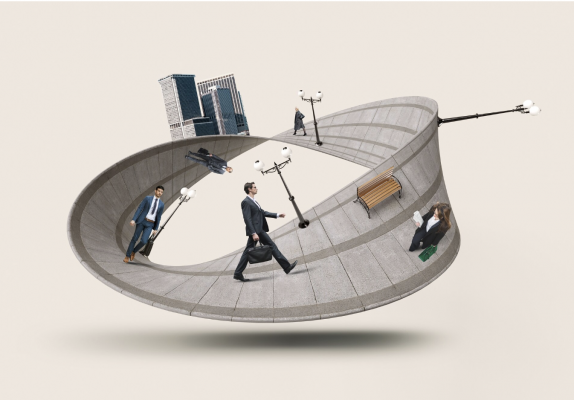
Focus on output, not hours
Traditional office culture measured productivity in hours. In the new model, it’s all about results.
Some companies are adopting **asynchronous work—where team members don’t have to be online at the same time.
Others are embracing "core collaboration hours" and letting employees design the rest of their day.
This shift encourages autonomy, reduces burnout, and respects individual rhythms.
Decentralized workforces = Global talent
Remote Work 2.0 opens the door to hiring global-first. Talent pools are no longer limited by geography.
Startups in Berlin are hiring engineers in Kenya.
U.S. nonprofits are employing communications specialists in Argentina.
This brings diversity, fresh perspectives, and cost efficiencies—while also challenging companies to navigate time zones, compliance, and culture.
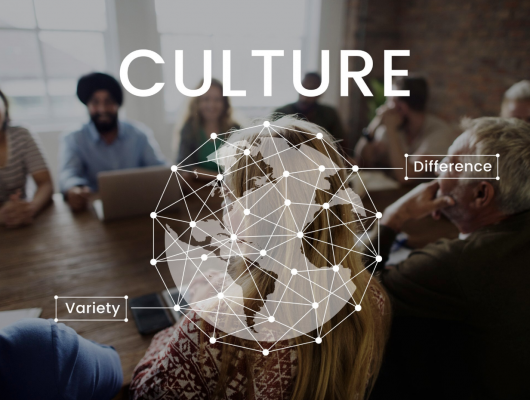
The rise of the remote tech stack
As companies adapt, we’re seeing a boom in remote-first technologies:
Virtual coworking spaces like Gather or Teamflow simulate the energy of an office.
AI assistants handle scheduling, meeting summaries, and task prioritization.
Tools like Notion, Slack, Loom, and Asana have become the new workplace infrastructure.
Even VR and AR are creeping into the workplace, enabling immersive collaboration for industries like design and engineering.
The manager’s role is changing
In Remote Work 2.0, managers aren’t micromanagers—they’re enablers. They focus on:
Building psychological safety and trust.
Coaching rather than controlling.
Creating clear goals and accountability without constant check-ins.
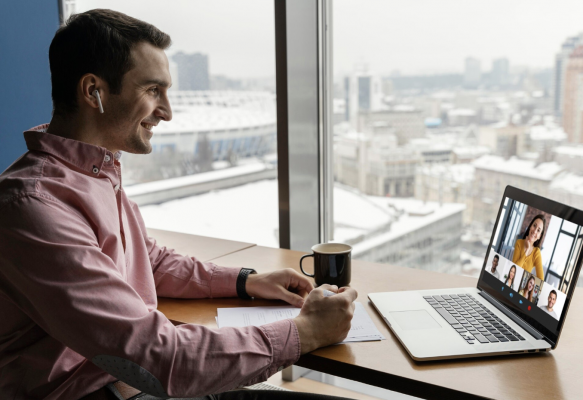
Companies that train and empower remote managers are finding greater engagement and retention.
The work-life blend, not balance
Remote work is no longer just about being home—it's about **blending life and work meaningfully**:
Parents can pick up their kids without guilt.
Early birds can finish by 3 p.m., while night owls start late.
"Workcations" let employees explore the world without pausing their careers.
That freedom comes with responsibility—and those who manage it well are thriving.

Here’s what we can expect as Remote Work 2.0 continues to evolve:
Four-day workweeks becoming more common.
More companies going office-optional—maintaining headquarters as creative hubs, not mandatory spaces.
AI-driven team optimization—where algorithms help match people to tasks based on energy, skills, and preferences.
A rise in fractional work: people splitting time across multiple companies or roles.
Remote Work 2.0 isn’t just a phase—it’s a transformation. It’s not about replicating office culture online, but about redefining work around human potential, autonomy, and innovation. As companies learn to trust people and embrace flexibility, they're discovering something powerful:

When work fits life, not the other way around, everyone wins.


