

The truth about fats: Why healthy fats are essential for your health and how to make better choices
For many years, fat has had a bad reputation in the world of nutrition, often blamed for weight gain and poor heart health.
However, not all fats are harmful to the body. In fact, fats play an essential role in maintaining overall health, and certain types of fats are actually beneficial for your heart, brain, and body functions.
Fat is an important nutrient that provides energy, supports cell function, and helps your body absorb vitamins like A, D, E, and K. It also aids in producing hormones and insulates your organs.

Moreover, fat makes up a significant portion of your brain's structure. Without it, your body would struggle to perform essential tasks, and your health could suffer.
However, not all fats are created equal. The key is understanding which types of fats are healthy and which ones should be limited or avoided.
Not all fats are bad for you. In fact, unsaturated fats — including both monounsaturated and polyunsaturated fats — are considered "healthy" fats. These fats can be beneficial for your heart and overall health when consumed in moderation.
Monounsaturated fats 
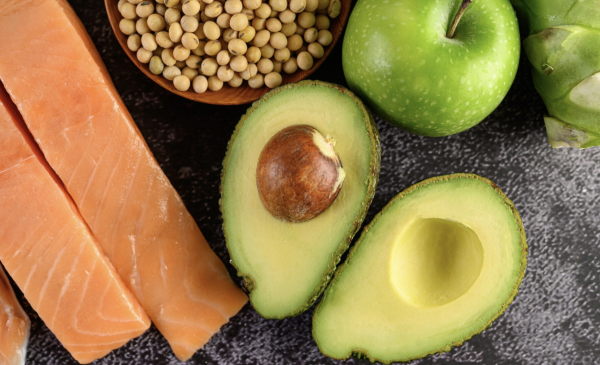
These fats are found in foods like olive oil, avocados, and certain nuts such as almonds and cashews. Monounsaturated fats can help lower bad cholesterol (LDL) levels in the body, reducing the risk of heart disease. They also have anti-inflammatory properties, which can help manage conditions like arthritis and cardiovascular disease.
Polyunsaturated fats

These fats are essential for the body and include omega-3 and omega-6 fatty acids. Omega-3 fatty acids, in particular, are well known for their heart-healthy benefits. You can find omega-3s in fatty fish like salmon, mackerel, and sardines, as well as plant-based sources such as flaxseeds, chia seeds, and walnuts. Omega-3s help reduce inflammation, lower blood pressure, and support brain function.
Omega-3 fatty acids are a specific type of polyunsaturated fat that has garnered attention due to its impressive health benefits. Since the body can't produce omega-3s on its own, they must be obtained through diet or supplements.
These essential fats have been shown to reduce the risk of heart disease, lower cholesterol, and promote brain health. They may also improve mental health by alleviating symptoms of depression and anxiety. Pregnant women are encouraged to consume omega-3s to support healthy fetal brain development.
While unsaturated fats provide many health benefits, other fats, such as trans fats and excessive saturated fats, can harm your health when consumed in large amounts.

Trans fats – Trans fats are artificially created fats that result from the process of hydrogenating liquid oils. These fats are commonly found in processed foods like baked goods, fast food, and snacks. They can raise your LDL cholesterol and increase the risk of heart disease and other chronic conditions. It’s best to avoid trans fats as much as possible.
- Saturated fats – Saturated fats are naturally found in animal products such as meat, butter, and cheese, as well as in certain plant oils like coconut oil and palm oil. While they can be part of a healthy diet, consuming too much saturated fat can raise bad cholesterol levels and contribute to heart disease. It's important to enjoy saturated fats in moderation and focus more on healthier fats.
The goal is not to eliminate all fat from your diet but to choose the right types of fats and consume them in moderation. By prioritizing unsaturated fats — especially omega-3s — and limiting unhealthy fats like trans fats and excessive saturated fats, you can improve your heart health, brain function, and overall well-being.
Here are a few simple ways to incorporate healthy fats into your diet:

- Use olive oil or avocado oil instead of butter or margarine for cooking and dressing salads.
- Include fatty fish like salmon, sardines, and trout in your meals several times a week.
- Snack on nuts and seeds, such as almonds, walnuts, or flaxseeds, instead of processed snacks.
- Choose healthier cooking methods like grilling, steaming, or baking over frying.
Not all fats are bad — in fact, some fats are essential to maintaining good health. By including healthy fats, such as omega-3 fatty acids, in your diet and reducing your intake of unhealthy fats, you can improve your heart health, support brain function, and reduce your risk of chronic diseases.
Understanding the types of fats and how they impact your body is key to a balanced and healthy diet. So go ahead and embrace healthy fats for a long, vibrant life!


