

The untold stories behind Pretty Woman
Few fans know that Richard Gere initially turned down the role of Edward Lewis multiple times before eventually accepting it. It wasn’t until he had an in-person meeting with Julia Roberts—who had already been cast as Vivian Ward—that his mind was changed.
The genuine spark and connection between the two actors during their meeting convinced Gere to take on the role, a decision that ultimately transformed the trajectory of the film.
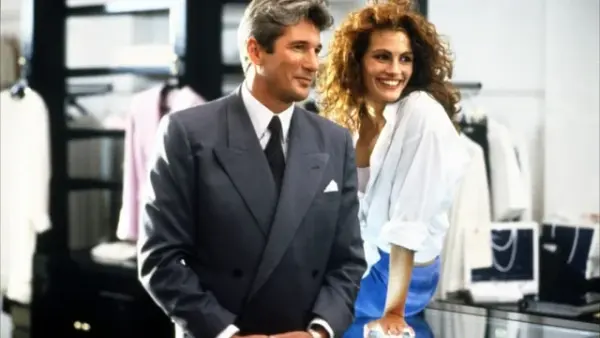
Interestingly, Pretty Woman was not the movie’s original title. The film began with the working title 3000, referencing the $3,000 payment Vivian received for spending the week with Edward.
However, when Roy Orbison’s classic hit “Oh, Pretty Woman” was featured prominently in the film, the title was changed to Pretty Woman, better capturing the charm and tone of the romantic comedy.
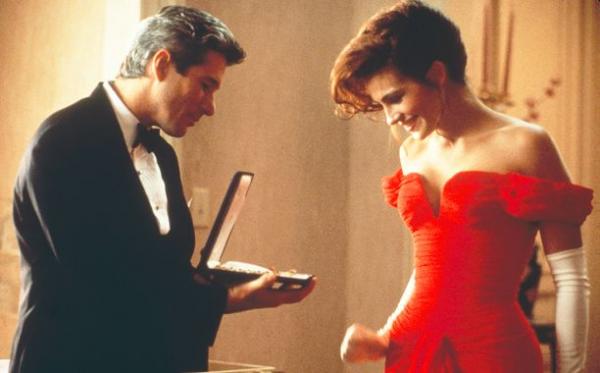
Many of the movie’s most memorable moments weren’t scripted. One such scene is when Edward playfully snaps a jewelry box shut as Vivian reaches for it, prompting Julia Roberts to burst into laughter.
This spontaneous reaction delighted director Garry Marshall so much that he decided to keep it in the final cut—adding authenticity and warmth to the film’s tone.
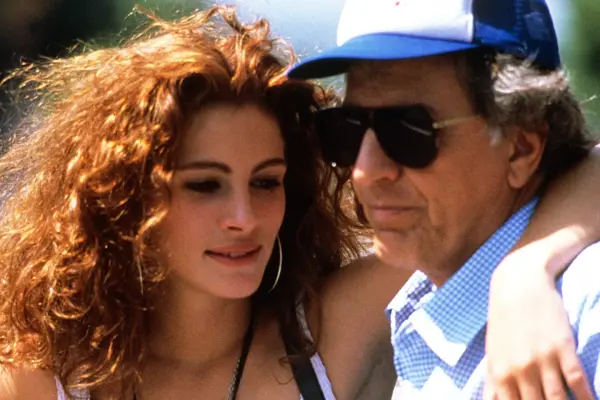
Julia Roberts wasn’t the studio’s first pick for Vivian Ward. Several well-known actresses at the time—including Molly Ringwald, Meg Ryan, and Daryl Hannah—turned down the role.
When Roberts landed the part, it became her breakout performance, catapulting her to international fame and eventually earning her a Golden Globe Award and an Oscar nomination.
Richard Gere also left his creative mark on the film. It was his idea to include a tender moment where Edward slips a pair of shoes onto Vivian’s feet—an addition that became one of the movie’s most romantic gestures.
Their on-screen chemistry was undeniable and played a huge role in the film’s success, creating a believable and captivating love story that resonated with audiences worldwide.
Adding another layer of charm, Gere actually composed and performed the piano piece his character plays during the hotel scene, showcasing not only his character’s sophistication but also his own musical talent.
Fashion also played a pivotal role in defining the film’s iconic status. The unforgettable red gown Julia Roberts wore to the opera almost didn’t happen.
Costume designer Marilyn Vance initially planned for a black dress, but a last-minute decision to switch to red resulted in one of the most celebrated fashion moments in cinematic history.
Directed by Garry Marshall, Pretty Woman became a cultural phenomenon, grossing over $463 million at the global box office. The film solidified Julia Roberts as America’s sweetheart and reaffirmed Richard Gere’s place as a leading man in Hollywood.
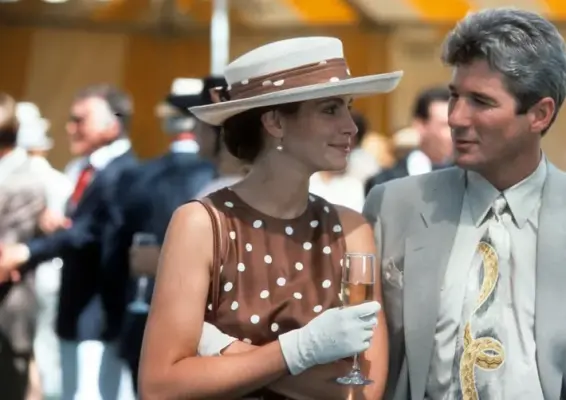
Its success marked not only a winning collaboration among its stars and director but also established the film as one of the most beloved romantic comedies of all time.
Additional fun facts:
- The original script for Pretty Woman was much darker and grittier, focusing on themes of addiction and class struggle. It was intended as a cautionary tale before Disney's Touchstone Pictures reworked it into the feel-good romance we know today.
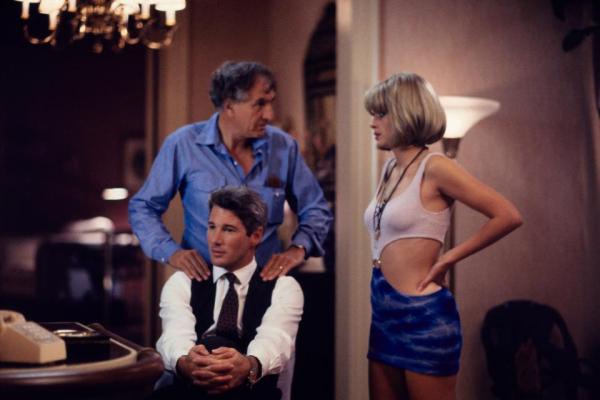
- Director Garry Marshall often used improvisation to bring out natural chemistry between actors, a technique that paid off well in this film.
- Julia Roberts was only 21 years old during filming, and the role turned her into one of the youngest actresses to receive an Oscar nomination for Best Actress.


