The Wedding She Paid For—But Wasn't Invited To
I’ve always believed that love is shown through actions, not just words. But when my granddaughter banned me from her wedding after I sold my house to help pay for it, I had to remind her what family really means.
I’m 72 years old, and if life has taught me anything, it’s that love isn’t just what you feel—it’s what you do. Sadly, that’s something I had to teach my granddaughter when she tried to take advantage of my kindness.
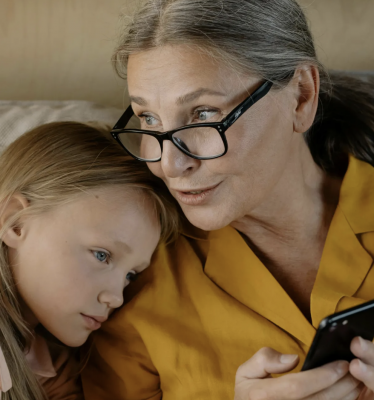
My name is Martha, and my entire world has always revolved around two people: my daughter Angela, and later, my granddaughter Riley.
I raised Angela on my own after my husband, Bill, died in a factory accident when she was only four. I worked all my life as a librarian in a small town. It wasn’t glamorous or high-paying, but I loved books and people.
After Bill’s death, I learned how to stretch every penny. I clipped coupons like it was an Olympic sport, saved everything I could, and made casseroles feed six. Angela never went without—not as long as I could help it.
When Riley was born, I thought I already understood love. But that little girl showed me there’s always room for more. Angela was a single mom too, juggling two jobs, and I helped however I could.
From the day Angela was born, I gave every breath to giving her the best life possible. So I took Riley to preschool, sewed her Halloween costumes, and baked her birthday cakes shaped like castles and dinosaurs—whatever she wanted.
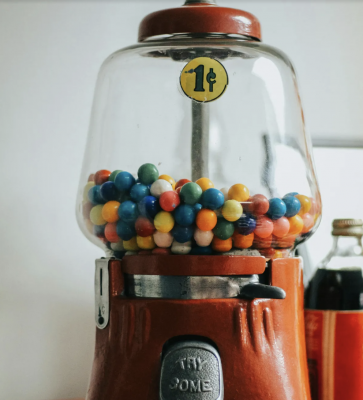
I looked after Riley so Angela could work. I was the grandma with Band-Aids in her purse and quarters for the gumball machine.
Then came the second worst day of my life.
Angela died suddenly from a brain aneurysm. She was just 42. One moment we were laughing over coffee, and the next I was standing in a hospital room surrounded by beeping monitors.
There are no words for that kind of pain. It felt like the world cracked open and swallowed me whole. Riley was only 15. She couldn’t understand why life could be so cruel. Neither could I.
That night, I lost my daughter, my best friend, and my closest companion. The grief was unbearable—but I had no choice. Riley was all I had left, and she needed me.
I promised to raise her with the same love her mother would have given. I became her legal guardian, and together we navigated grief and the chaos of teenage years.
Riley was never a bad kid—just stubborn and ambitious, like her mom. She joined the cheer squad, dreamed of becoming a wedding planner, and spent hours making scrapbooks filled with magazine clippings from celebrity weddings.
One night, when she was 17, I found her crying in bed. Her boyfriend had broken up with her right before prom, and she didn’t want to go alone. I sat down beside her and said:
“You don’t need a boy to shine. You light up every room just by being in it.”
She smiled through her tears and whispered, “You’re the only person who really gets me, Grandma.”
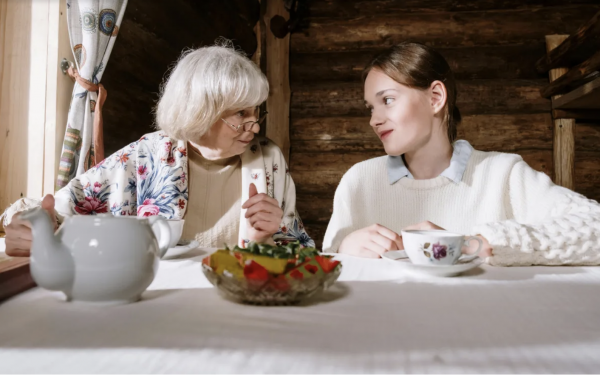
Riley became my everything. I’d always tell myself—I don’t have much, but she’ll always know she’s loved. And if she ever needs me, I’ll be there.
Years passed. She graduated college, got engaged to a kind young man named Daniel, and started working at a high-end bridal boutique. I was proud, even though I worried she was starting to surround herself with shallow people.
One day, she came to visit. She looked exhausted—chipped nail polish, messy bun, eyes puffy.
“Grandma,” she said through tears, dropping her purse on the table. “I can’t sleep because of the wedding budget. The venue, the dress, the catering, music, photography… it’s too much. We can’t afford the wedding I want.”
Seeing her like that broke my heart. I took her hand and asked:
“What is it that you want?”
“I just want a perfect day. A dream wedding. Something beautiful.”
That night, I stared at the worn wallpaper in my little bungalow. I thought of all the memories in that house. Angela’s laughter, Riley’s little hand in mine, the creaky old floorboards.
I thought of birthdays, Christmases, of Bill—how we bought that house hoping to watch our grandkids play in the yard.
And I made a decision.
That week, I sold the house. After 40 years, I said goodbye to the home that held every piece of my life.
Riley is my only granddaughter, the light of my life. I wanted her to have everything, even if I never did. I told myself—it’s just a house. She’s worth it.
I moved into a tiny apartment in a senior living complex, with thin walls and a rickety elevator. But I told myself it was temporary. Riley needed this.
I transferred the money—enough for the vineyard venue, the Vera Wang dress, the string quartet, even the chocolate fountain she’d once mentioned. She cried when I told her.
“You’re the best grandma in the world,” she said, hugging me through tears.
It should’ve been the happiest chapter in our story. But happiness, sometimes, takes unexpected turns.
Months passed. The wedding day approached, but I heard very little. No bridal shower invite, no dress fitting. I assumed she was just busy. Every morning I checked the mailbox for a sparkling invitation. It never came.
Finally, I couldn’t take it anymore. I drove to her apartment in my old car and knocked on the door. Riley answered in workout clothes, holding a smoothie.
“Grandma!” she said, surprised. “Is everything okay?”
I smiled and asked, “Sweetheart, could my invitation have gotten lost in the mail?”
She hesitated, sighed, and stepped outside, closing the door behind her.
“Oh, Grandma,” she said quietly. “I didn’t want to hurt you, but… no, you’re not invited.”
Her words froze me.
“Not invited? But… I sold my house. I gave you everything I had so you could have this day.”
She shrugged awkwardly.
“I know, and I’m grateful. But Daniel and I decided on an age policy. No one under 16… and no one over 65. We want a certain vibe, you know? Fun, energetic. Nothing… boring.”
“So I was good enough to pay for it, but not to attend?”
“It’s not personal. It’s just about the energy. We want people dancing, drinking—no one sitting quietly in the corner.”
The ground shifted under me. I nodded, turned, and walked away.
That night, I sat in my tiny kitchen and looked at the bank transfer confirmation. With trembling hands, I called the bank.
The next morning, the money was back in my account.
Turns out, being old has its advantages—no one expects you to be clever. I had insisted on paying the vendors directly—“just in case.” A little trick I picked up from reading mystery novels. Paper trails matter.
Two weeks later, the phone rang.
“Grandma!” Riley sobbed. “The venue said the payment bounced. The boutique canceled the dress. Everything’s falling apart!”
I glanced at a photo of Angela on the shelf and said calmly:
“Maybe you should find someone under 65 to fix it.”
Then I hung up.
I spent the rest of the day baking blueberry muffins and humming Patsy Cline. I wasn’t angry. Just… done. Sometimes love has to step back so the other person can see what they’ve lost.
Two days later, there was a knock at the door. It was Riley, mascara running down her face.
“Grandma,” she whispered. “I made a mistake.”
She collapsed into my arms like she was ten again.
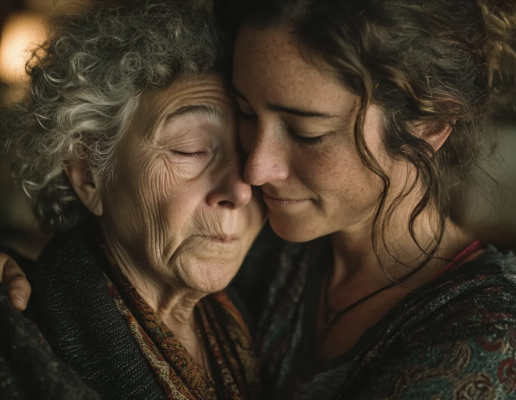
“I got lost in the image, the filters, the Pinterest boards, the influencers telling me what my wedding should look like,” she sobbed. “I forgot who I am. I forgot who raised me.”
She looked up at me.
“I’m sorry. Please come. Will you still walk me down the aisle?”
I looked at her for a long time. This wasn’t the girl who shut me out. This was the child I rocked to sleep, the teenager I comforted, the woman still learning how to grow.
“Yes,” I said. “And I’ll pay again. But this time, we do it together.”
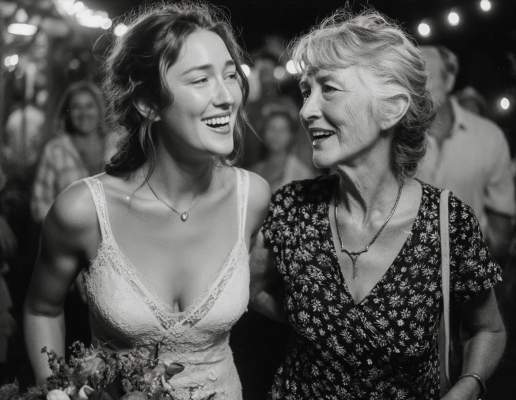
The wedding wasn’t at a vineyard. It was held in the community garden behind the library where I used to work. Riley wore a beautiful dress from a local shop. A jazz trio played beneath string lights. There was no chocolate fountain—but there was real laughter and guests of all ages dancing under the stars.
And when I walked her down the aisle, she looked at me and said aloud:
“This is the woman who saved me—more than once.”
Sometimes love is quiet. And sometimes, it makes a statement. That day, love looked like a second chance.