Traditions around the world: Celebrating with food
Around the world, traditions are shaped by culture, history, and community values, and one of the best ways to experience these celebrations is through food.
Every country has unique customs for holidays and festivals, often revolving around special dishes that have been passed down through generations. Here's a look at some of the most interesting traditions and the foods people enjoy during their celebrations.
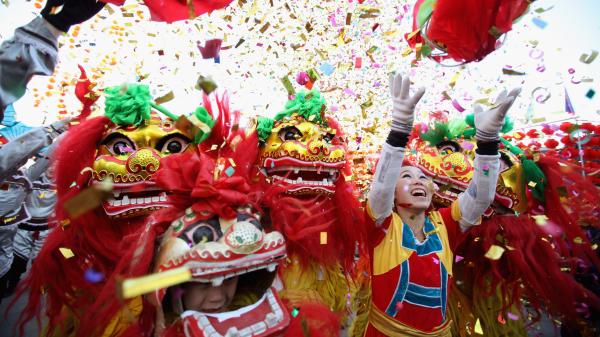
Lunar New Year, also known as Chinese New Year or Tet in Vietnam, is a time for family reunions and honoring ancestors. The holiday usually takes place in late January or early February, depending on the lunar calendar.
In China, dumplings are a must-have during Lunar New Year. They symbolize wealth because their shape resembles ancient Chinese gold ingots.
In South Korea, rice cakes are served in a broth called tteokguk. Eating this dish is believed to bring good luck and longevity.
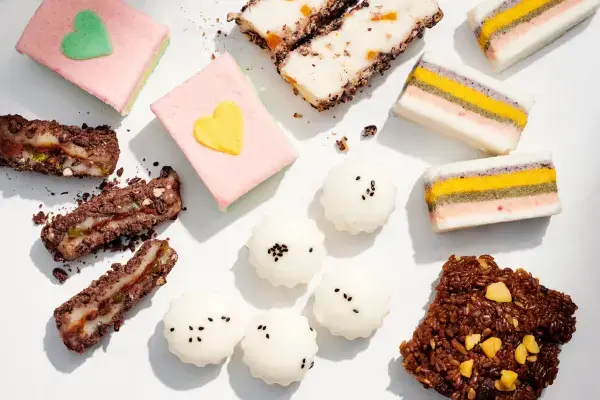
In Vietnam, families prepare banh chung, a square sticky rice cake filled with pork and mung beans, representing the earth.
The celebrations are filled with various symbolic foods meant to bring prosperity, happiness, and health in the coming year.
Diwali, the festival of lights, is one of the most significant holidays for Hindus and is celebrated with immense joy across India and among Indian communities worldwide. It marks the victory of light over darkness and good over evil.
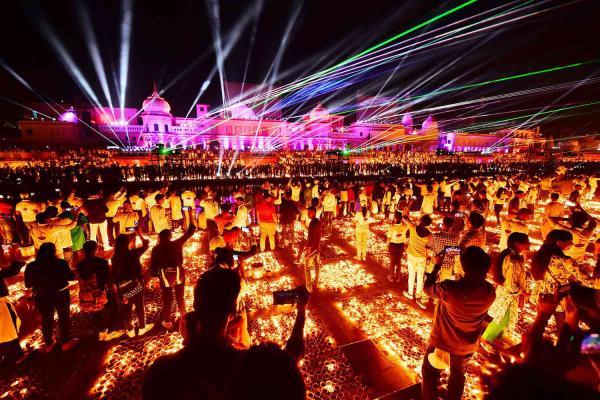
During Diwali, families prepare an array of sweets called mithai, such as laddus (sweet flour balls), barfi (a dense milk-based sweet), and jalebi (crispy, syrup-soaked fritters).
Deep-fried pastry filled with spicy potatoes or peas, samosas are commonly enjoyed as a snack during Diwali parties.
A crispy, deep-fried snack filled with spiced lentils or peas, kachoris are a savory treat that adds flavor to the celebrations.

Food plays a significant role in expressing gratitude and love during this festival, and families exchange sweets with friends and neighbors.
Thanksgiving is a holiday celebrated in both the United States (on the fourth Thursday of November) and Canada (on the second Monday of October). It is a time for families to gather and give thanks for the harvest and blessings of the past year.
 A Thanksgiving dinner is incomplete without a roast turkey, often the centerpiece of the meal. It symbolizes abundance and family togetherness.
Creamy mashed potatoes served with rich gravy are a classic side dish that accompanies the turkey.
A sweet and spiced dessert made from pumpkin, pumpkin pie is the quintessential Thanksgiving treat. It represents the harvest and is a comforting end to the meal.

Thanksgiving meals are a reflection of the early American settlers' harvest feasts and are filled with hearty, seasonal foods.
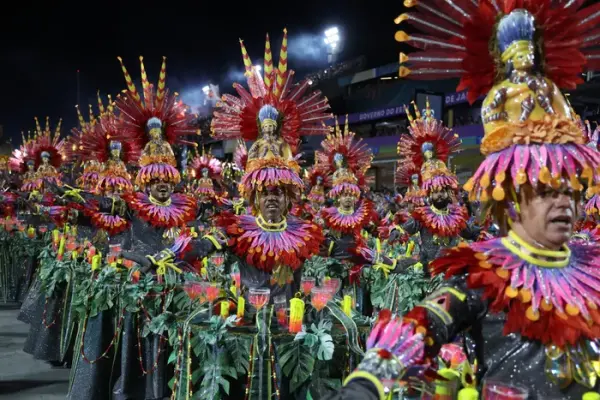
Carnival in Brazil is a grand and vibrant celebration held before Lent, typically in February or March. It's a time of lively parades, music, dance, and feasts, especially in cities like Rio de Janeiro and Salvador.
This rich, hearty stew made with black beans, pork, and beef is often served during Carnival celebrations. It's traditionally eaten on Saturdays but is especially popular during Carnival.
These are chicken-filled fritters shaped like a drumstick, perfect for snacking during the festivities. The crispy coating and flavorful filling make them a crowd favorite.
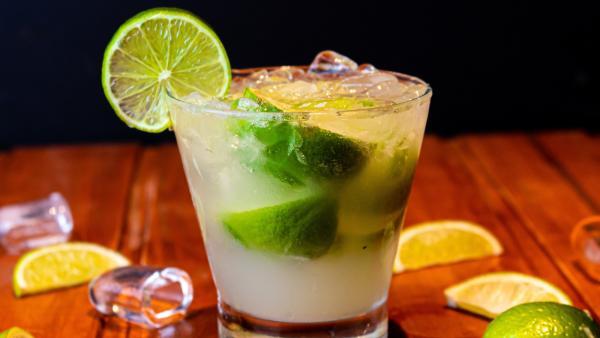
The national cocktail of Brazil, caipirinha, is made with cachaça (sugarcane spirit), lime, sugar, and ice. It’s a refreshing drink enjoyed while dancing to samba music.
Carnival in Brazil is not just a visual feast but a culinary one as well, with foods that keep the energy high and the spirits even higher.
Oktoberfest, the world's largest beer festival, is held annually in Munich, Germany. It lasts for 16-18 days, starting in late September and ending in early October, drawing millions of visitors from around the globe.
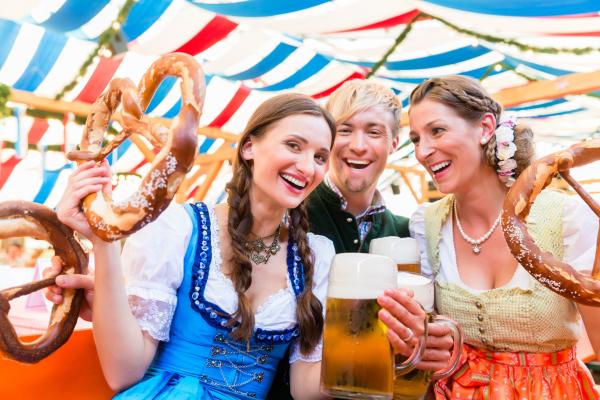
Soft, salted, and doughy, pretzels are a must-have snack during Oktoberfest. They are often served alongside beer in beer halls.
Germany is famous for its sausages, and during Oktoberfest, visitors can enjoy varieties like bratwurst and weisswurst, typically served with mustard and sauerkraut.
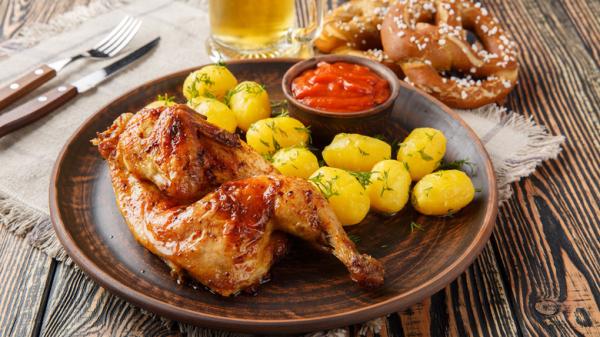
A crispy, tender roast chicken is a popular dish during the festival, providing a savory contrast to the beer and sausages.
The festival is an exciting mix of music, dancing, and indulgence in traditional German food and drink, bringing people together to celebrate Bavarian culture.
Hanami, or cherry blossom viewing, is a springtime tradition in Japan that celebrates the fleeting beauty of cherry blossoms. People gather in parks to enjoy picnics under the blooming trees.
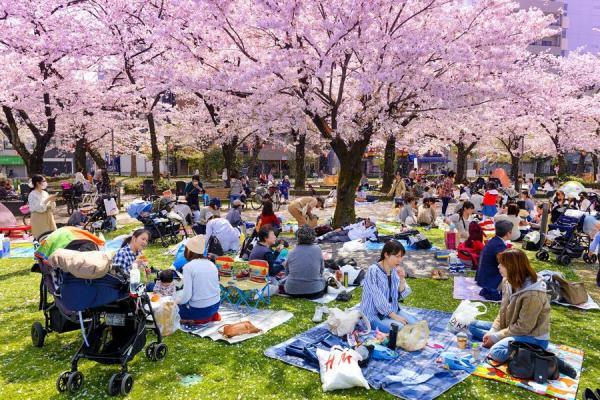
A sweet rice cake filled with red bean paste and wrapped in a pickled cherry leaf, sakura mochi is enjoyed during Hanami to celebrate the cherry blossom season.
Many people prepare bento (a packed meal) to enjoy during their Hanami picnics. These typically include rice, fish, vegetables, and pickles, all arranged in an aesthetically pleasing manner.
Lightly battered and fried vegetables or seafood, tempura is another favorite food enjoyed during Hanami picnics.

The food during Hanami is simple yet meaningful, symbolizing renewal and the beauty of nature as people connect with the environment.
From the bright, flavorful dishes of Diwali to the hearty, comforting meals of Thanksgiving, food is an essential part of cultural celebrations across the globe.
These culinary traditions not only nourish the body but also strengthen ties within families and communities, passing down stories, values, and heritage.
Whether you’re savoring a delicious feast or sharing a humble meal with loved ones, the act of eating during a holiday is a way to express joy, gratitude, and connection.