When the Silence Spoke: What My Husband Did While I Cared for My Dying Mother
When I left my home to care for my dying mother, I thought my husband would keep things in order until I returned. Instead, I came back to a nightmare I never imagined.
I never thought I’d write something like this, but here I am. My name is Stella, I’m 25 years old, and I’ve been married to my husband, Evan, 27, for two years. We’ve been together for five. We married young, but at the time, it felt right.
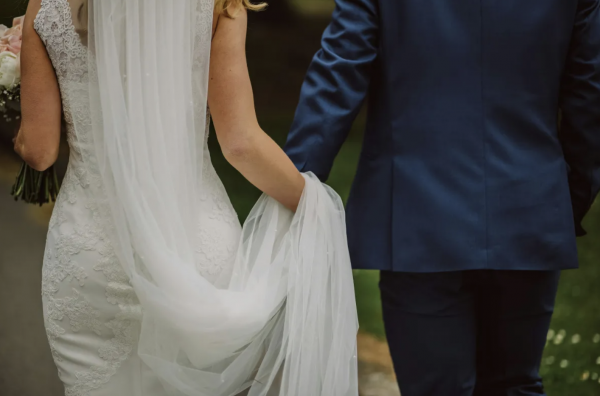
We both had stable jobs—good enough to buy a small townhouse on the outskirts of the city. We were excited to build a future together. We had even started trying for a baby. I remember sitting at the kitchen table one night, planner open, scribbling potential timelines and smiling while Evan leaned over and said, half-joking, half-serious:
"We’re gonna have the cutest kid in the neighborhood."
I laughed and tossed a grape at him. It was a happy time—hopeful, full of dreams. We felt like life was just beginning.
And then, everything shattered with one phone call.
My mom—my best friend, my anchor—was diagnosed with stage four cancer. The doctors gave her six months.
Six months.
I remember sitting on the couch, still holding the phone, shaking so hard I could barely breathe. Evan sat next to me right away, wrapping his arm around me.
“Stel,” he said softly, “you have to go. She needs you.”
I broke down on his chest, crying into his shirt.
“I can’t leave you,” I whispered. “What about us? What’s going to happen to us?”
“We’ll figure it out,” he said, stroking my hair. “Go be with her. Don’t worry about me.”
So I did. I packed a suitcase and returned to my childhood home, three hours away, to take care of her. My dad had passed years before. I was an only child. There was no one else.
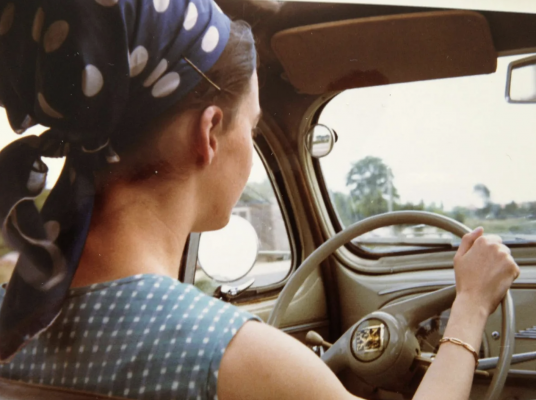
Those months were brutal. I took her to every appointment, sat beside her through every chemo session holding her hand, listened to her cry at night when the pain became too much, and forced myself to smile each morning so she’d believe I was strong enough for both of us.
Sometimes she’d look at me and whisper:
“You should go home, Stella. You’re too young to spend your days in hospitals.”
I always shook my head.
“Don’t say that, Mom. I’m not leaving you.”
Evan called regularly. We spoke every couple of days. He always sounded understanding, said he missed me, said he was “managing the house” and “keeping busy.” He sounded tired, like the separation was wearing on him. I figured it was just the distance.
“Promise me you’re eating?” I’d ask.
He’d laugh.
“Yes, yes. Don’t worry. I’m not living off cereal. I’ve even learned to cook a little.”
I smiled, grateful he was managing and that he understood how important this was. But he never came to visit. Not once. Not me. Not my mother. He always had an excuse—work, short-staffed, or “I don’t want to take time away from her.” I wanted to believe him. And I did.
Six weeks ago, my mother passed away.
Nothing prepares you for that moment. I buried her, packed up her clothes while crying into them, and sat in her empty room, breathing in the last traces of her scent.
All the while, Evan stayed in touch, saying he was grieving in his own way, that he was keeping the house in order so I wouldn’t come back to a mess.

Eventually, after sorting her estate and closing up the house, I returned home. I thought walking through the front door would bring some relief. I imagined leaning on Evan, crying into his chest, finally letting someone else carry me after months of carrying everything alone.
But the moment I opened the door, I froze.
First came the smell—sour, like stale beer, sweat, and grease. My stomach turned. The living room was a wreck: pizza boxes, dirty cups, dust coating the TV stand, and a dark stain on the carpet I had lovingly chosen last year.
“Evan?” I called, my voice cracking.
Before I could say anything else, I saw it—and it knocked the air out of me. He wasn’t alone.
Two men were on our couch, drinks in hand, music blaring so loud the picture frames shook. Evan was in the middle of it all, shirtless, holding a beer up like it was a trophy. He didn’t look like my husband—he looked like the kind of guy I used to avoid in college.
One of the guys, tall and blonde, noticed me first and nudged the other.
“Bro… we’ve got company.”
Evan turned, startled, and then forced a smile.
“Babe! You’re back early!”
“Early? I just buried my mother.”
The guys went quiet.
“We should go,” said the tall one.
“No, no,” Evan protested. “Stella, these are Mike and Jason, my new colleagues. We were just, you know, unwinding. Networking.”

I looked around—empty bottles on the shelf, a plate with dried cheese, a red stain on the wall by the thermostat. I felt sick.
Jason stood, slipping on his jacket.
“I’m really sorry for your loss,” he said quietly. “We didn’t know you were coming back today.”
Mike raised his hands in apology.
“Yeah… sorry. We’re leaving.”
“Please,” I replied.
Once they left, silence filled the room. Evan stepped toward me.
“Stel, I can explain.”
“Try,” I said, arms crossed.
“I missed you. I didn’t know how to cope. Coming home alone, cooking for one, the silence… I needed a distraction. I swear it’s not what it looked like.”
“It looked like a party,” I said. “A lot of parties.”
“It helped me get through it. I was grieving too.”
“Grieving?” I repeated, staring at the overflowing trash. “While I fed soup to my dying mother. While I signed legal papers and picked a casket. While I begged you to visit, and you told me you were too busy.”
He lowered his eyes.
“I thought I was giving you space.”
“No. You gave yourself an excuse. You chose the easy way. You chose this.”
“Please, let me fix it. I’ll clean, I’ll—”
“Stop,” I cut him off. “Go to the bedroom. Grab a bag.”

“What?”
“Pack. You’re leaving. Tonight.”
“Stella, no… don’t do this. I love you.”
I walked past him, opened the closet, and pulled out his black duffel. I tossed it to his chest.
“Pack the basics. You can come back for the rest later. You’re not sleeping here tonight.”
He looked at me like he didn’t recognize me.
“You’re serious?”
“Yes.”
His jaw trembled. He looked at the beer still in his hand and set it on the table. Then he went to the bedroom.
Drawers opened, hangers rustled. Ten minutes later, he came out wearing jeans, a hoodie, and the bag slung over his shoulder.
“Where am I supposed to go?”
“I don’t care. Call Mike. Call Jason. Call whoever’s been here with you this whole time.”
“I messed up.”
“Yes. You did.”
He stood in the doorway for a moment.
“Stel, please…”
I stared at the stain on the carpet I’d picked out in spring.
“Goodbye, Evan.”
He left and shut the door behind him. I exhaled for the first time in months.
The next morning, the calls began. First his mother, her warm voice sharp with disapproval.
“Stella, honey, I heard you asked Evan to leave. He’s grieving too. Men don’t always know how to express it. Give him a chance.”
“Grace looks like patience,” I told her. “Not house parties.”
“He needed support,” she insisted. “Caregiver burnout affects both partners.”
“Then he should’ve come to me,” I replied. “I asked him to visit. He chose not to.”
Then came his sister, Brielle, who always talks too fast.
“He’s a wreck, Stel. He says he panicked. Says the house felt haunted without you. Says he was just trying to stay busy. Can you at least meet for coffee?”
“I can’t,” I said softly. “Not right now.”
Then my aunt called, the one who always inserts herself in everyone’s business.
“Divorce is too extreme,” she said. “People make mistakes when they’re grieving.”
“I planned a funeral at 25,” I told her. “When I needed my husband, he gave me excuses. When I came home, strangers were on my couch. That wasn’t a mistake. That was a choice.”
After the third call, I put my phone face-down and just looked at the mess around me. I opened all the windows in the house.

I cleaned until my hands ached—until the rooms smelled like lemon and soap, and the stain on the carpet faded to a barely-there shadow. I found a photo of my mom under a pile of old mail, the one where she’s laughing with her head thrown back, and I placed it on the shelf. I lit a candle and watched the flame settle. The silence felt like a blanket.
That night, Evan texted me. The messages came one after another:
I’m sorry.
I was an idiot.
I didn’t know how to be without you.
Please talk to me.
I set the phone down and let the screen go dark.
In the quiet that followed, I thought about everything. If I had stayed with my mom for another three months… six… a whole year… would anything have changed? The bottles still would have piled up. Strangers would still have laughed on my couch. He still would’ve told me he was “keeping the house” as if it were some noble sacrifice. And then the truth hit me like a stone in my chest:
It wasn’t that he was lost without me.
He was free of me.
The next morning, I called a locksmith. The click of the new lock sounded like closure.
Weeks passed. I kept myself busy with paperwork, chores, and the slow, heavy tasks that come with grief. When the house felt too big, I went for walks. I learned the names of the neighbors’ dogs.
I made soup the way my mom taught me—with thyme and a splash of lemon—and ate it at the table beside her photo. Sometimes I cried. Sometimes I put on silly sitcoms just to hear human voices.
Eventually, I scheduled a grief therapy session. The therapist, Dr. Mira, looked to be in her fifties, with kind eyes and a cozy cardigan that made her office feel like a living room. She asked about my mom, the diagnosis, the slow days, the final day. She listened—really listened—and only handed me tissues when I asked for them.
Then she said, gently:
“Tell me about Evan.”
I told her about the calls, the excuses, the parties.
“I keep wondering if I overreacted,” I admitted. “Everyone keeps saying he was grieving too.”
She nodded.
“That might be true. Grief drives people to seek quick relief. But it also reveals character. What someone does in the dark says more than what they say in the light.”
I sat with that for a moment.
“I wanted a partner.”

“And you still do,” she said. “And you deserve one.”
At the end of the session, she leaned in and said:
“When someone shows you who they are in your worst moments… believe them.”
I took that sentence home with me like a little pebble in my pocket—something small I could hold onto when my hands felt empty.
Six weeks went by. The house stayed quiet, clean, peaceful. I could sit on the couch without the smell of stale beer. Every Thursday, I started bringing in fresh flowers—a small ritual. I placed them next to Mom’s photo.
Evan kept texting. His messages swung between apologies, anger, begging, and back to apologies. His mom called again, asking if I’d reconsider. I told her I genuinely wished them well. And I meant it.
One evening, as the sun dipped low and the light turned soft and pink through the windows, I stood in the entryway and looked around at the home I had scrubbed back into mine. I thought about the life I tried to build—and the life I still could build.

I didn’t feel victorious. I felt solid.
I deserve someone who shows up.
Someone who doesn’t just say “I love you,”
but proves it when it matters most.
Evan failed the most important test of our marriage.
And I believed him when he showed me who he truly was.