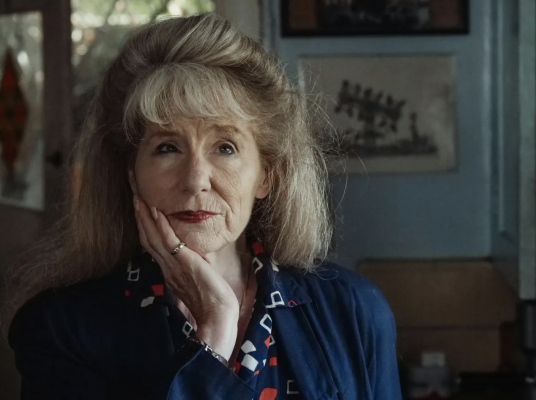
Whispers of trust: A widow’s journey through grief and betrayal
After 42 years of marriage, I was lost in grief — until my stepdaughter invited me to live with her. At first, it seemed healing. But one sleepless night, I overheard a conversation that shattered everything I believed about family and trust.
The sorrow consumed me completely after my husband’s death. One day we were arguing about whether to plant tomatoes or peppers in the garden, and the next, I was planning his funeral.

His slippers still sat by the bed, right where he left them that last night. His cologne lingered in the air — but he was gone. Simply gone.
I would sit on the old couch we shared for decades and listen to echoes of conversations that would never return.
The silence was so thick I could taste it — metallic and bitter on my tongue.
But then, someone broke that silence.
Three days after the funeral, Alexis showed up at my door. My stepdaughter.
She had always been kind to me, even when her birth mother tried to turn her against me in those early years.
“Come live with us, Mom,” she said, her voice soft but firm, as if the decision was already made and she was just informing me. “You shouldn’t be alone right now.”
Those words broke me inside.
I cried hard — that kind of crying that hurts in your chest and takes your breath away.
I hadn’t expected the invitation, nor the way it made me feel… like someone still cared, wanted me close.
I hugged her tightly.
“Are you sure, sweetheart? I don’t want to be a burden.”
“You’re not a burden,” she whispered. “You’re family.”

Two weeks later, I was settled into the cozy guest room. Her husband Joel greeted me with a warm smile and a genuine pat on the back.
“My home is your home, Rose,” he said, and I believed him.
Even their golden retriever, Buster, wagged his tail as if I’d always been part of the family.
What surprised me most were the teenagers. Instead of the polite indifference I expected, they seemed genuinely interested in having me there.
At dinner, they asked me to tell the stories I used to tell Alexis as a child — but they wanted the spookier versions.
“Tell us again about An Fear Gorta, Grandma Rose,” said fifteen-year-old Tyler, eyes wide.
So, I told them about the Hungry Man and added the old family legends about our house, the ones my grandmother whispered at night.
The house had been in the family for generations, full of tales about spirits in the basement and a ash tree in the yard that “never grew right” after Grandpa tried to cut it down in 1962.
“That tree has been crooked ever since,” I said in a low, mysterious voice. “Some say it’s trying to grow away from what’s buried underneath.”
The kids loved it.
Sometimes Alexis would pause washing dishes to listen, smiling.
“I loved those stories as a kid,” she said. “Even when they gave me nightmares. You always made everything sound so mysterious and magical.”
Every night, she came to see me before bed.
“Don’t worry about anything, Mom,” she’d say, handing me a cup of chamomile tea. “I’ll handle your bills, your meds, everything. You just focus on healing.”
For the first time in decades, I stopped worrying about the mailbox, the insurance payments, and all the paperwork that comes with being a widow.
When she asked for my insurance documents and even my ID to make copies, I gave them to her without question.
“Just so I can help you better,” she said with that patient smile.
When she brought the power of attorney forms, I barely hesitated.
“Just in case something happens,” she explained, leaving them on my nightstand next to a pen. “Dad’s death took us by surprise. I want to be prepared if anything happens to you.”
I signed them that very night.
She was incredibly organized. She even sorted my papers into color-coded folders.

“It’s easier if I have copies of everything,” she said with a cheerful shrug. “Just in case.”
That phrase, “just in case,” kept repeating.
I assumed all that order was her way of coping with grief. But I was wrong.
A month after moving in, one sleepless night, I walked to the kitchen in my slippers for some chamomile tea.
Passing by her office, I saw the light on. The door was slightly ajar — just a crack — and I heard her voice, low and soft, like a snake’s hiss, in a way I’d never heard before.
“I can’t believe how easy it was,” she said. “She signed the power of attorney and I got all the documents. I know exactly what to do. Once I sell the house and cash the insurance, it’s over. She won’t even know what happened.”
I froze.
There was a pause, then:
“And after that, straight to Shady Oaks nursing home. The cheapest one I found.”
She laughed. A light, satisfied laugh — the sound of someone who thinks she’s pulled off something clever.
My heart pounded so loud I thought I could hear it from the other room.
I backed away slowly and returned to my room on autopilot, my hands shaking so hard my cup of tea slipped and shattered on the floor.
I couldn’t storm in and confront her. She had all the documents, the passwords, the legal power. She had the perfect story — a grieving stepmother who needed help.
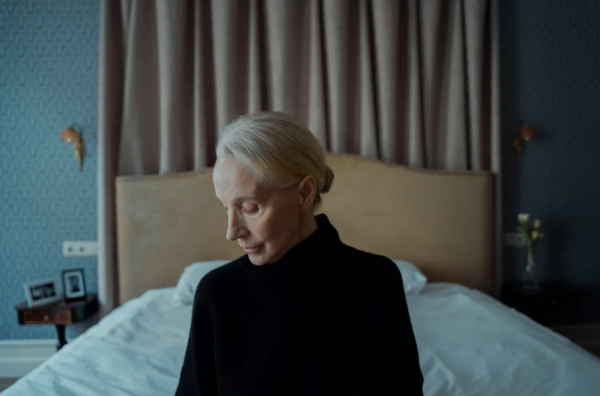
I sat on the edge of the bed, watching the shadows on the walls as dawn broke.
And when the sun rose, I knew one thing for sure: she wasn’t going to win this game.
I didn’t call a lawyer. Or the police.
I turned to something older, subtler. Something I knew would sink into her mind like a slow poison. A story with claws.
I struck the next morning at breakfast.
Alexis was scrolling through her phone. Joel had already left. The kids argued over who’d walk Buster.
“You know, Alexis,” I said, stirring my coffee, “I’m so grateful you invited me. It’s been wonderful having family close during such a difficult time. I almost wish I could sell the house and move here for good. But that’s impossible.”
That got her attention. She put the phone down.
“Why impossible?”
“Well, there’s the family curse,” I said. “On my mother’s side. It goes back generations. The house must stay in the bloodline. If it’s sold outside the family — especially to someone with bad intentions — something terrible happens.”
She blinked. Her cup stopped halfway to her lips.
“That sounds… pretty superstitious.”
But I wasn’t finished.
“Your dad tried to sell it once,” I added, looking her in the eye. “About ten years ago. Remember when he fell off the ladder cleaning the gutters and broke three ribs? He was in the hospital for two weeks.”
Her smile wavered.
“He never mentioned selling it again,” I continued. “Said he learned his lesson — not to mess with things he didn’t understand.”
“Dad never mentioned a curse,” Alexis said.
“He was embarrassed. I should have told you before, but… sometimes I still see you as that little girl scared of the crooked ash tree in the yard. I thought it would scare you to know there really is a curse on this house.”
Her eyes grew wide.

“Lately, ever since all my documents were copied and organized… I’ve started feeling things. Cold spots in the house. Hearing Grandma calling my name. You have to know the house must stay in the family. Just in case…”
Alexis didn’t finish her toast. She stood up, saying she had to make some calls.
That night, I saw her on the back porch at midnight, burning sage and murmuring what sounded like prayers or apologies.
The next day she yelled at Joel for leaving his cup dirty. She snapped at Tyler for playing music too loud. She jumped when Buster barked at the mailman.
Fear had already settled in her mind like a parasite.
Guilt did the rest.
A week later, I packed my bags and thanked her for everything.
“I’ve decided to go back home,” I announced at breakfast. “I’ve cried enough outside my own space. It’s time to face my house again.”
She was understanding. Too understanding.

“You’re probably more comfortable there, Mom,” she said quickly. “It’s what you know. All your memories are there.”
She helped me pack the car, hugged me, and promised to visit soon. But I saw the relief in her shoulders as I drove away.
I returned to the house that once felt like a tomb. It’s no longer haunted by grief, but by something far more satisfying.
Justice, I guess you could call it.
Or maybe just the knowledge that sometimes, the old stories — the ones grandmothers whisper in the dark — still have teeth.
My husband’s slippers still sit by the bed, but they no longer make me cry. They make me smile, like he’s still here somehow, protecting what’s ours.
And you know what? I think he is.