A man's transformation after a terminal cancer diagnosis
At 50 years old, I lost everything. Until then, my life revolved around work. I was a workaholic, and my company was everything to me. But suddenly, it was nothing. After a recent divorce, I found myself completely alone.
Day after day, I felt like I was losing my humanity. I became bitter, cold, and unrecognizable. My heart hardened, and I thought I had hit rock bottom. I sincerely believed nothing could get worse—until my phone rang.
It was the hospital. The voice on the other end of the line said, "You need to come to the hospital immediately!"
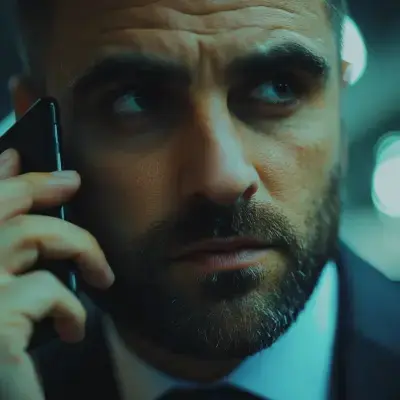
My hands trembled as I hung up. I grabbed my coat in a hurry and rushed out, almost forgetting my keys. The drive felt like an eternity. When I arrived, I walked to the doctor’s office and waited.
When the door opened, the doctor walked in with a serious expression. At that moment, I knew that whatever he was about to say would change my life forever, and I wasn’t sure I was ready for it.
I sat at my office desk, flipping through papers. Running a company at 50 wasn’t any easier than before. I was so focused that I didn’t notice when Michael, my assistant, entered the room.
He stood there, waiting. After a few moments, he cleared his throat.
I remained focused on my work, unaware of his presence.

Michael tried again. "Sir." Still no response. He called my name three times.
Finally, I slammed my hands on the desk and snapped, "What?"
Michael didn’t react. "You asked me to inform you if your ex-wife called."
I sighed, rubbing my temples. "How many times do I have to tell you to ignore her calls? What does she want now?"
Michael held a notepad. "She left a message. And I should warn you, this is a direct quote. Her words, not mine." He looked at the paper and read, "'You arrogant idiot, I will never forgive you for wasting so many years of my life. If you don’t return my painting, I’ll destroy your car.'"

My face turned red with anger. "It’s been two years since we divorced! Doesn’t she have anything better to do?"
Michael waited for my response. "Do you want me to say something to her?"
"No! And stop answering her calls," I replied. Then I paused and added, "Actually, tell her I threw the painting in the trash!"
I grabbed a pen and threw it against the wall. Michael subtly ducked to avoid it, nodded politely, and left the room.
Moments later, my phone rang. I frowned and answered.
"Andrew?" a voice asked.
"Yes. Who is this?"
"This is the hospital. Your test results are ready. The doctor wants to see you."
"Can’t you just tell me now?" I asked, annoyed. "I’m busy."
"Sorry, sir. The doctor will explain in person."
I let out a heavy sigh. "Fine. I’m on my way."
I rarely took a lunch break, but this time was different. The doctor’s office was silent.
I sat stiffly in the chair, drumming my fingers on the armrest. When the door opened, the doctor entered with a grave expression. I frowned.

The doctor sat in front of me and spoke in a calm, measured tone, using terms I didn’t understand.
Then came the word—cancer. "We need to act quickly," he said.
"Is this some kind of joke?" I asked sharply. "I run a company. I can’t just check into a hospital."
The doctor looked me in the eye. "Your health must come first. The company can wait. Starting treatment immediately is crucial."
My voice rose. "Can I keep working during treatment?"
"Every patient reacts differently," the doctor explained. "You’ll be hospitalized so we can monitor you. Someone can bring you a laptop."
I frowned and stood up. "Fine. I’ll figure it out."
As I left the hospital, I passed the pediatric ward and saw a boy, about eight years old, tossing a ball to a nurse.

Laughter echoed down the hall. The ball rolled across the floor and stopped near my feet.
"Excuse me, sir!" the boy called, smiling. "Can you throw the ball back?"
I picked up the ball. Without a word, I threw it far away, ignoring the boy and the nurse, and kept walking.
"That was mean, sir!" the boy shouted after me.
The days in the hospital felt like weeks. The treatment left me exhausted.
One afternoon, during a long chemotherapy session, I leaned back, eyes half-closed, feeling miserable.

Suddenly, a small voice interrupted my thoughts. I opened my eyes and saw a boy standing in front of me. I flinched slightly. He laughed. It was the same boy from the hallway.
"What do you want, kid?" I muttered, unenthusiastic.
"I’m walking around the hospital looking for someone to play with. This place is boring."
I looked at him, irritated. "What’s your name?"
"Tommy," he answered, smiling.
I sighed. "Listen, Tommy. I’m not in the mood to play. Go bother someone else."
Tommy didn’t move. Instead, he pulled a small peppermint candy from his pocket and held it out to me. "This helps with nausea. You should try it."
I hesitated, then took the candy and placed it on the table.

"You’re really grumpy!" Tommy said, laughing. "I’ll call you Mr. Grumpy. Are you mad because you’re afraid of needles?" He pointed at the IV in my arm.
I made a face. "I’m not afraid of anything."
Tommy nodded. "Okay. I used to be scared at first, but then I stopped. My mom says I’m a superhero. Do you have a superpower?"
"No," I replied flatly.
"That’s because you’re too sad," Tommy said, suddenly serious.
I looked at the boy, surprised by the honesty in his bright eyes.
In the days that followed, Tommy became a constant presence. He walked into my room with a big smile and boundless energy. At first, I found it annoying, but soon, I started looking forward to his visits.
Tommy taught me to notice the small joys in life.

We watched the sunset through the window, guessing the colors in the sky. We played harmless pranks on the nurses, laughing until our stomachs hurt.
I never asked about his illness. I didn’t know how to bring it up.
One afternoon, Tommy mentioned that his mother cried a lot. "She’s worried about money," he said. "We might lose our house."
That night, discreetly, I handed Tommy an envelope with money. "Tell her a magician left this for you."
Weeks later, I received the news that I was cured. I ran to tell Tommy, but when I arrived, he was unconscious.
His mother, Sara, looked at me, tears streaming down her face.

"What happened?" I asked.
Sara shook her head, crying. "The doctors said there’s nothing more they can do."
My chest tightened.
That night, Tommy passed away, surrounded by his mother’s love and the memories we had created together.
I couldn’t accept that such a bright spirit would be forgotten.
I founded an organization in his name to help sick children.
And somehow, I realized that Tommy had given me a superpower. The power to change.