

A thousand years of hospitality: The enduring legacy of the world’s oldest hotel
When people think about hotels today, they often picture towering buildings, modern amenities, and digital check-ins. But the idea of paid lodging has a much older and more fascinating history.
The world's oldest hotel, still welcoming guests today, can be found in a quiet mountain village in Japan. Known as Nishiyama Onsen Keiunkan, this extraordinary establishment first opened its doors in the year 705 A.D., making it over 1,300 years old.

Remarkably, it has remained in operation ever since, earning it a place in the Guinness World Records as the longest-running hotel on Earth.
The hotel was founded by Fujiwara Mahito, a member of an influential aristocratic family, who selected the site for its natural hot springs and peaceful setting.
Since its founding, it has been handed down through an unbroken line of 52 generations, all descendants of the original founder.
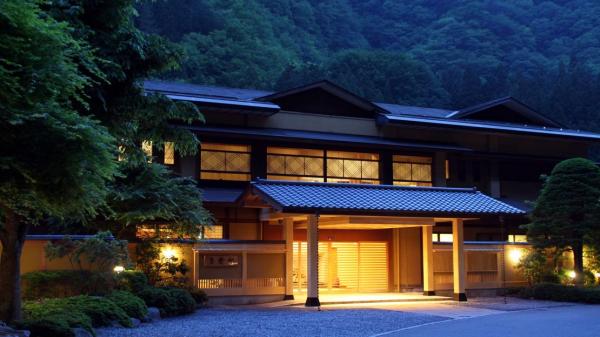
Over the centuries, the hotel became a retreat for some of Japan’s most notable historical figures, including emperors, shoguns, and samurai.
In times when travel was difficult and dangerous, Keiunkan served not only as a place to rest but also as a refuge offering food, warmth, and the restorative properties of its mineral-rich waters.
Despite its ancient origins, the hotel has kept pace with the times. While preserving its traditional Japanese architecture and atmosphere, it has also been updated to include modern conveniences that enhance guest comfort without compromising its historic charm.
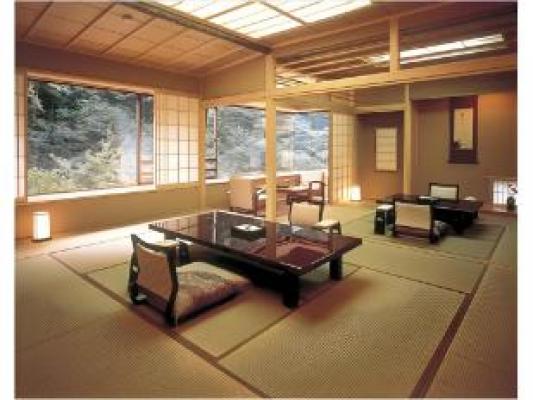
Visitors today can still enjoy tatami rooms, seasonal Japanese meals, and private baths fed by the same natural hot springs that have drawn travelers for more than a millennium.
The story of Nishiyama Onsen Keiunkan is more than just about age. It reflects a deep respect for continuity, hospitality, and the careful preservation of cultural heritage.

The fact that a single family has managed to sustain the hotel through wars, economic changes, and natural disasters is a testament to resilience and dedication.
Though it remained largely a well-kept secret within Japan for many centuries, it has now captured international interest as a living piece of history where the past and present coexist in harmony.


