

The evolution of sunglasses: From ancient eye protection to modern fashion icon
Sunglasses have long been more than just a stylish accessory; they play a crucial role in protecting our eyes from harmful UV rays and glare. Though their use can be traced back to ancient times, the sunglasses we know today have evolved significantly. The history of sunglasses is not just about fashion, but about the growing need to protect our eyes and enhance visual comfort.

The idea of shielding the eyes from sunlight dates back to ancient civilizations. For instance, the Inuit people in the Arctic used glasses made of bone or ivory with small slits, designed to block the intense sunlight that reflected off the snow.
These early forms of eyewear were primitive and functional, focusing on protecting vision from the harsh glare of snow and ice. In ancient China, people used smoke-darkened quartz to reduce the intensity of sunlight, and Roman Emperor Nero reportedly used polished emeralds to view gladiator games.
Though these early attempts weren’t quite sunglasses as we know them, they served the purpose of reducing light and glare.
The real breakthrough for sunglasses came in the early 20th century, as advancements in technology and a better understanding of the dangers of UV rays prompted the creation of more effective designs. In 1929, Sam Foster introduced the first commercially sold sunglasses in the United States.
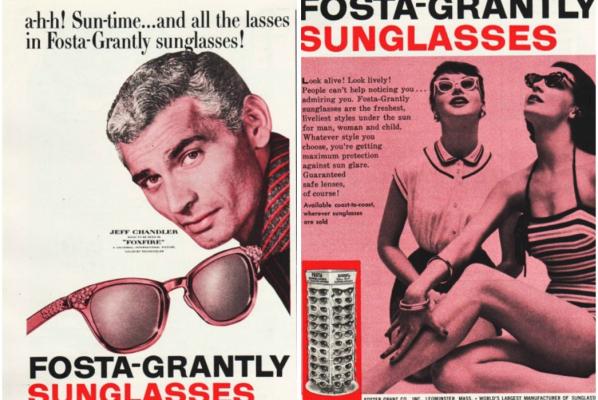
These were simple, wire-framed glasses with dark lenses, and they quickly gained popularity, particularly on the Atlantic City boardwalk. Foster's company, Foster Grant, helped to establish sunglasses as not just a practical accessory, but a fashion statement.
However, it was during World War II that sunglasses underwent a significant transformation in terms of function. Pilots in the U.S. Army Air Corps, flying at high altitudes, were exposed to intense sunlight that severely impaired their vision. In response to this need, Ray-Ban introduced the aviator sunglasses in 1936.
Originally designed to improve the vision of military pilots, these sunglasses featured lenses that reduced glare and provided protection from UV rays. After the war, the aviator style gained popularity among civilians, cementing sunglasses as a symbol of both functionality and cool style.
The primary reason for wearing sunglasses is to protect the eyes from harmful ultraviolet (UV) radiation. Prolonged exposure to UV rays can lead to eye problems like cataracts, macular degeneration, and corneal sunburns. Sunglasses that block 100% of UVA and UVB rays are essential for preventing such damage.
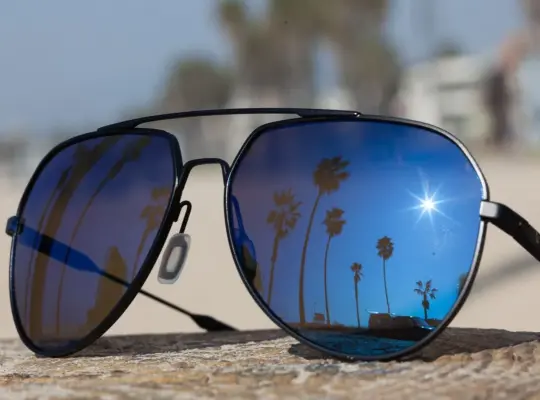
Additionally, sunglasses help reduce eye strain and glare caused by the sun’s reflection off surfaces like water, snow, or roads. Polarized lenses are particularly effective in reducing glare, making sunglasses an important accessory for activities like driving, skiing, or boating.
Sunglasses also protect against the wind, dust, and other environmental elements that can cause dryness and irritation to the eyes. For those who spend a lot of time outdoors, sunglasses act as a shield against these irritants.
Moreover, they provide comfort by reducing the intensity of bright sunlight, allowing for a more relaxed visual experience during outdoor activities.
The skin around the eyes is especially vulnerable to sun damage. Wearing sunglasses helps prevent UV rays from reaching this sensitive area, reducing the risk of skin cancer and premature aging.
Over time, the importance of protecting both the eyes and the skin around them has become increasingly recognized, further highlighting the need for sunglasses.

Today, sunglasses are not only functional but also come in a wide array of styles, colors, and shapes. What began as a tool for protection has evolved into an essential fashion accessory. From aviators to wayfarers, sunglasses are now a versatile item that complements various personal styles.
Additionally, athletes often wear sunglasses designed specifically for their sports, offering lightweight frames, interchangeable lenses, and features like polarization to enhance performance and comfort.
The popularity of sunglasses continues to grow, with designers regularly introducing new styles and innovations. Celebrities and influencers have helped cement sunglasses as an iconic part of modern fashion, making them not just practical, but also a statement of individuality.

Whether used for outdoor activities, eye protection, or as a stylish accessory, sunglasses remain an important part of our daily lives, and their role in protecting our vision and skin will continue to be essential as we learn more about the dangers of UV radiation.


