
Biohacking for Beginners: Popular Trends in Optimizing Your Body and Mind"
Biohacking has become a buzzword in recent years, attracting people eager to enhance their physical and mental well-being through various lifestyle experiments and technologies.
Biohacking involves making deliberate changes to your habits, environment, or diet to boost your health, cognitive abilities, and overall vitality. For those just starting out, the concept might seem confusing or even intimidating, but it doesn’t have to be.
By focusing on some popular and approachable methods, beginners can begin their journey toward optimizing both body and mind with confidence.
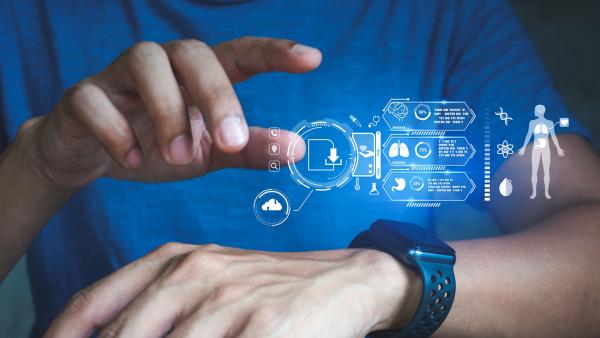
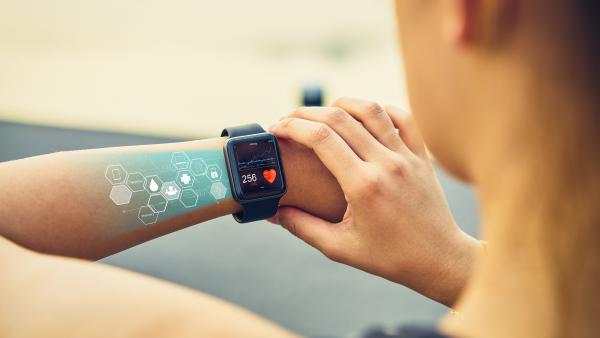
One of the key elements of biohacking is gaining insight into your body’s own signals through data tracking. With the rise of wearable technology such as fitness bands, smartwatches, and sleep trackers, monitoring aspects like heart rate, sleep patterns, physical activity, and oxygen levels has become more accessible than ever.
These tools help individuals identify areas for improvement and recognize how lifestyle changes impact their overall health.
For example, discovering that sleep quality is poor or that stress levels spike at certain times can be eye-opening and pave the way for targeted interventions.
Sleep itself is often regarded as one of the most powerful yet overlooked factors for maintaining optimal health. Biohackers frequently experiment with ways to improve their sleep, whether that means controlling light exposure by using blackout curtains or wearing blue light blocking glasses to encourage melatonin production, trying different sleep schedules such as segmented sleep or naps, or introducing supplements like magnesium or melatonin to support relaxation.
Establishing healthy bedtime routines and addressing sleep quality can have a profound effect on energy levels, mood, and mental clarity.

Nutrition and eating patterns also play a significant role in biohacking. Many enthusiasts turn to intermittent fasting, which involves limiting food intake to certain windows during the day, allowing the body extended periods without calories to promote fat metabolism and cellular repair.
Others explore diets such as ketogenic eating, which emphasizes fats and restricts carbohydrates to shift the body’s primary fuel source. Additionally, some experiment with nootropics—substances designed to enhance cognitive function, including natural options like caffeine combined with L-theanine or more advanced supplements.
For beginners, starting with simple adjustments like reducing processed foods, increasing whole foods, or trying mild fasting periods can provide noticeable benefits.

Cold exposure is another popular method gaining attention for its potential to stimulate the body’s stress response in a positive way. Whether through cold showers, ice baths, or cryotherapy sessions, exposing the body to low temperatures may help reduce inflammation, boost mood, improve mental clarity, and increase metabolic rate. Those new to this practice are advised to start gradually, perhaps with brief cold showers, and increase intensity and duration over time as comfort grows.
Mental optimization is equally important in the biohacking world. Many practitioners adopt mindfulness techniques, meditation, and controlled breathing exercises to manage stress, sharpen concentration, and build emotional resilience.
With the help of apps designed for beginners, incorporating these practices into daily life becomes more manageable and effective, helping to improve mental well-being over time.
Our bodies are deeply influenced by natural light cycles, and modern lifestyles often disrupt these rhythms, which can lead to sleep disturbances and mood problems.
To counteract this, biohackers use light therapies, such as red or near-infrared light to encourage healing and reduce inflammation, or bright light exposure in the morning to help reset the body’s internal clock. These approaches aim to synchronize biological rhythms and improve energy and mood naturally.
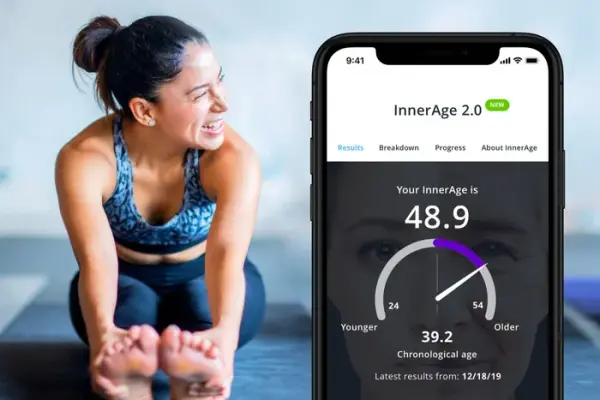
While biohacking offers exciting possibilities for self-improvement, it’s crucial for beginners to approach it with caution. Starting small, paying close attention to how your body reacts, and consulting healthcare professionals before trying supplements or intense practices are important steps to ensure safety.
Relying on scientifically supported methods and avoiding drastic or irreversible changes can help maintain balance and well-being.
Biohacking is about developing a deeper understanding of your own biology and making informed choices to enhance your life. Rather than striving for perfection, it encourages a curious and patient mindset, testing what works best for you.
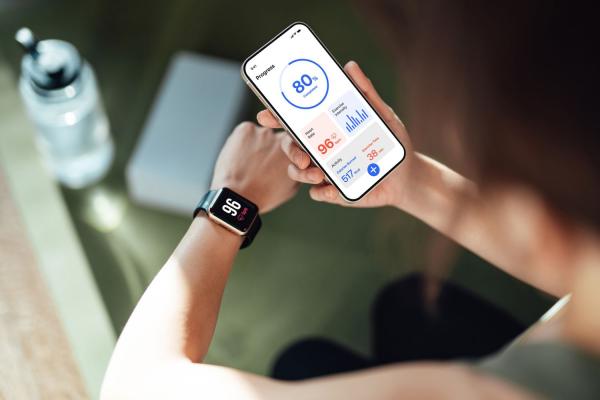
By experimenting with a few manageable changes and tracking the outcomes, anyone can embark on the path of optimizing their body and mind. Your body is your personal laboratory, and with thoughtful exploration, the possibilities for improvement are wide open.


