

Why should you sleep on satin and silk pillowcases?
Switching to satin or silk pillowcases can be a game-changer for your hair health, offering a simple yet highly effective solution to common hair concerns.
Many people don’t realize just how much the fabric of their pillowcase can affect their hair. While cotton pillowcases are breathable and comfortable, they can cause friction between your hair and the fabric, leading to frizz, split ends, and breakage, particularly if you have long, curly, or delicate hair.
The rough texture of cotton can also increase tangling overnight, and since cotton absorbs moisture, it can strip hair of its natural oils, leaving it dry and more vulnerable to damage.
In contrast, satin and silk pillowcases offer a much smoother surface, resulting in less friction and significantly reducing hair breakage and frizz.
In addition to minimizing damage, satin and silk pillowcases help your hair retain its natural moisture. These fabrics are less absorbent than cotton, which means they won’t pull the moisture and oils away from your hair.
This helps keep your hair hydrated, soft, and shiny, even as you sleep. For those with curly or wavy hair, satin and silk pillowcases are particularly beneficial because they help prevent tangling and maintain your hair's natural shape, giving you more manageable hair in the morning.
Additionally, these fabrics have a naturally cool and smooth feel, which reduces heat buildup on your scalp, making them a great choice for people who sleep warm. Not only do satin and silk pillowcases work wonders for your hair, but they’re also gentler on your skin.
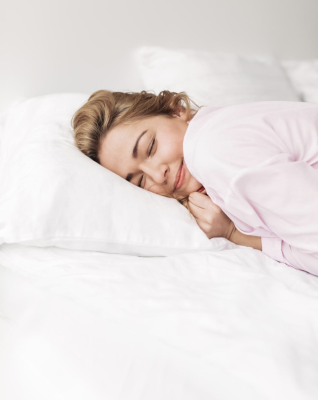
Unlike cotton, which can cause sleep lines and skin irritation, satin and silk are less likely to leave creases on your face and help to reduce friction on your skin as you sleep.
While they may come at a higher price point than cotton, the improvement in the health and appearance of your hair and skin is well worth the investment. With consistent use, you’ll notice smoother, shinier, and more resilient hair, all while reducing frizz and preventing damage.


