

Exploring a 1985 computer lab: The Atari 800 and Apple II era
In 1985, computer labs were becoming an increasingly common sight in schools, reflecting a growing emphasis on digital literacy. One such lab, representative of the era, featured a prominent collection of Atari 800 computers—twelve in total—each paired with an Atari 810 floppy disk drive and connected to large television monitors.
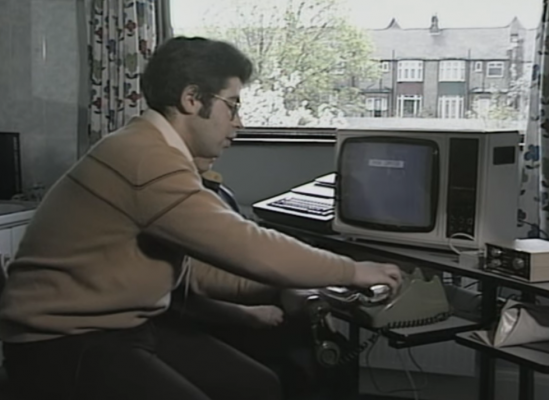
The Atari 800, introduced in 1979, was one of Atari’s most advanced 8-bit machines, known for its durable construction, full-sized keyboard, and impressive graphics capabilities for its time.
Though initially designed for home users, the system found a strong foothold in educational environments due to its versatility and performance.
These setups allowed students to engage with programs stored on 5.25-inch floppy disks, run early educational software, and learn basic programming—often in the BASIC language—on displays that were large enough for instructors to easily demonstrate lessons.

The presence of large TV monitors rather than smaller individual screens speaks to the collaborative and instructional nature of computing education during that period.
Against the back wall of the lab stood a row of Apple II computers, another mainstay of classroom computing. Released two years before the Atari 800, the Apple II had, by the mid-1980s, become one of the most widely adopted educational computers in the United States.
Its popularity stemmed not only from its relatively simple hardware design but also from the extensive library of educational software that had grown around it. While its graphics and sound capabilities were more modest compared to the Atari, the Apple II’s expandability and broad support made it a reliable tool for both students and teachers.

This particular computer lab serves as a time capsule of mid-80s educational technology. It captures the transition from early experimental computing to more structured and widespread computer education.
The blend of Atari and Apple systems provided students with exposure to multiple platforms, each with its own strengths. The hum of disk drives, the glow of CRT screens, and the tactile feedback of mechanical keyboards defined the classroom computing experience of the era.

Though primitive by today’s standards, this setup laid the foundation for the digital skills that would become essential in the decades to follow.


