From Nest to Table: The Ancient Origins and Global Journey of Egg Eating
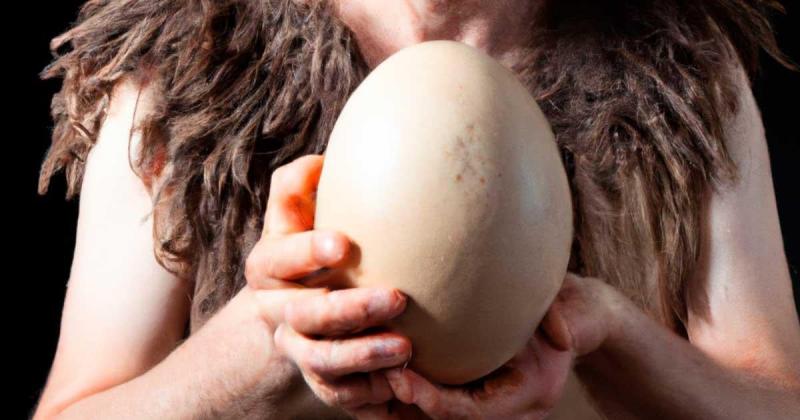
The practice of eating eggs dates back to prehistoric times, long before farming or organized societies began. Early humans likely discovered eggs while foraging, finding them in the nests of wild birds and reptiles.
These eggs were a convenient and rich source of protein, requiring no tools or hunting skills to obtain. As fire and basic cooking techniques were developed, eggs would have been eaten raw or roasted.

Over time, humans began to domesticate animals, and one of the most significant steps in egg consumption was the domestication of birds—especially chickens. The red junglefowl, native to parts of Southeast Asia, is considered the ancestor of modern chickens.
This domestication is believed to have occurred about seven to eight thousand years ago. As chickens spread through different parts of Asia and into the Middle East and Africa, people increasingly raised them for their eggs.
By around 1500 BCE, civilizations such as the Egyptians and Chinese had already begun to develop artificial incubation methods, showing how central eggs had become to their food systems. In many ancient societies, eggs played an important culinary role. The Egyptians adopted chickens via trade and found ways to hatch their eggs using warm sand and ovens.

In Ancient Rome, eggs were commonly consumed at the beginning of meals and were featured in various recipes. The phrase "ab ovo usque ad mala"—meaning "from eggs to apples"—reflected the typical structure of a Roman meal, starting with eggs and ending with fruit.
In China, eggs from ducks and quails were eaten alongside chicken eggs, and preservation methods like salting and pickling were already in use.
Through the Middle Ages, eggs remained a dietary staple, although their consumption was sometimes limited during religious fasting periods. Monasteries often kept chickens, and eggs were frequently given as gifts or used in trade.
As European society evolved during the Renaissance, eggs gained even more popularity. Recipes became more sophisticated, and eggs were used in both savory and sweet dishes, with techniques like baking custards and whipping meringues becoming more common.
The modern era brought significant changes to how eggs were produced and consumed. Industrialization in the 19th and 20th centuries led to large-scale egg farming.
Chickens were selectively bred to lay more eggs, and new technologies made it easier to store and transport eggs over long distances. These changes helped solidify eggs as a common and reliable food source across the globe.
Today, eggs are a dietary essential in almost every culture. From omelets and baked goods to traditional dishes around the world, eggs remain one of the most versatile and nutritious foods available. What began as a survival food scavenged from nests evolved into a global staple with a rich and varied history.