From tijuana with lettuce: The mythical origins of the Caesar salad
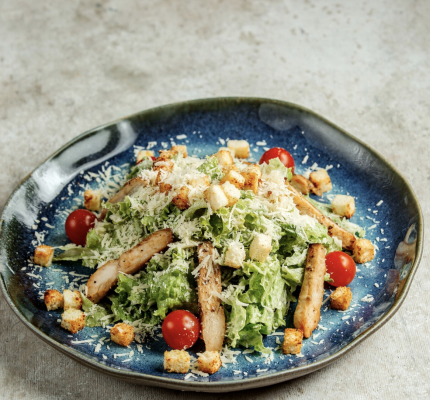
Few dishes have become as universally recognized and beloved as the Caesar salad. With its crisp romaine lettuce, rich and tangy dressing, sharp Parmesan, and crunchy croutons, it's a fixture in restaurants around the world.
Despite its Italian-sounding name and Mediterranean ingredients, the Caesar salad’s true origin is neither Roman nor European. Instead, its story begins in 1920s Mexico and is steeped in culinary lore.

According to the most popular account, the salad was created by Caesar Cardini, an Italian-American chef and restaurateur. Cardini operated a restaurant in Tijuana, just across the U.S.-Mexico border, where many Americans would dine during Prohibition.
One particularly busy Fourth of July weekend in 1924, Cardini reportedly found his kitchen running low on ingredients due to the holiday rush. In a moment of improvisation, he combined a few staples he had left: romaine lettuce, eggs, lemon juice, garlic, olive oil, Worcestershire sauce, and Parmesan cheese.
He tossed it all together with some croutons and served it in dramatic fashion right at the guests' tables. This simple yet elegant presentation helped the dish stand out and left a lasting impression.
The story doesn’t end there, though. Like many origin tales, this one has its challengers and variations. Some claim that it was Caesar’s brother, Alex Cardini, who first created the salad and initially dubbed it the “Aviator’s Salad” in honor of American pilots frequenting their restaurant.

Others suggest that several staff members may have contributed to the recipe, pointing to a more collaborative creation than the legend implies. Even the ingredients are debated; while modern versions almost always include anchovies, Caesar’s daughter reportedly insisted her father disliked anchovies and never used them in his dressing.
Regardless of who deserves the credit, the salad’s popularity spread rapidly. By the mid-20th century, it had gained a foothold in major American cities and was soon embraced by chefs around the globe. Culinary icons like Julia Child recounted dining on the original Caesar salad in Tijuana, lending weight to the tale and further cementing its place in food history.
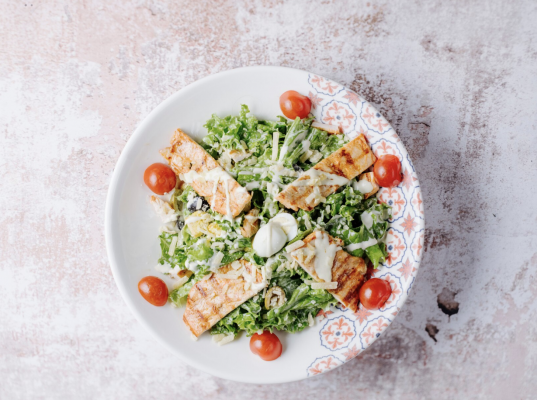
Over time, the Caesar salad has evolved with numerous reinterpretations—adding grilled chicken, bacon, kale, or even going entirely vegan.
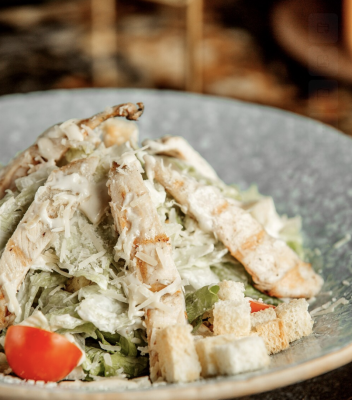
Yet, despite its many variations, the essence of the dish remains the same: a perfect blend of texture, flavor, and showmanship that began as a last-minute improvisation and turned into a timeless classic.
The continued fascination with the Caesar salad’s origin speaks to more than just a love of food. It reflects our appreciation for unexpected creativity and the human stories behind the meals we enjoy.
With each bite, we taste not only a delicious blend of ingredients but also the enduring charm of a culinary myth born out of necessity and remembered for its brilliance.