

The evolution of Vienna’s Ball Season: Tradition meets modern flair
Vienna has long been known for its grand ball tradition, dating back to the early 1800s, where attendees don formal attire and partake in classical dances like the waltz. Initially, these elegant gatherings were organized to entertain the aristocracy and political figures following the Congress of Vienna, and they have remained a staple of the city's culture ever since.
Every year, thousands of guests come together, dressed in their finest, to glide across the dance floor beneath ornate chandeliers.
The ball season in Vienna typically runs from November through Mardi Gras (March 4, 2025), with the busiest months being January and February.
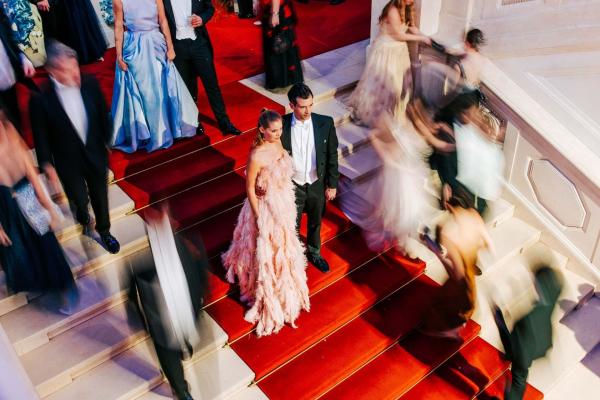
The city hosts over 450 balls annually, the majority of which are formal affairs with strict dress codes—long gowns for women and tuxedos for men. Modern accessories, like watches, are considered inappropriate at these traditional gatherings.
However, recently, a new wave of balls has emerged, offering a fresh take on these timeless events, largely driven by a younger generation's influence.
Helena Steinhart, the PR Manager for the Vienna Tourist Board, explains that many of these newer balls cater to a younger audience and feature more flexible dress codes.

Although the dress code may vary, the expectation for women is to wear evening gowns, while men typically wear black tailcoats with white bow ties and black shoes. For those who don't want to bring their own formal attire, many rental options are available during the season.
For those interested in attending a ball, they can browse a comprehensive online list of events, with many offering tickets for sale or a waiting list to join.
A notable event is the Wiener Hip-hop Ball (February 15, 2025), which blends traditional ball culture with modern elements. Launched five years ago, this event encourages guests to pair their formal attire with sneakers and dance to hip-hop instead of the classic waltz.
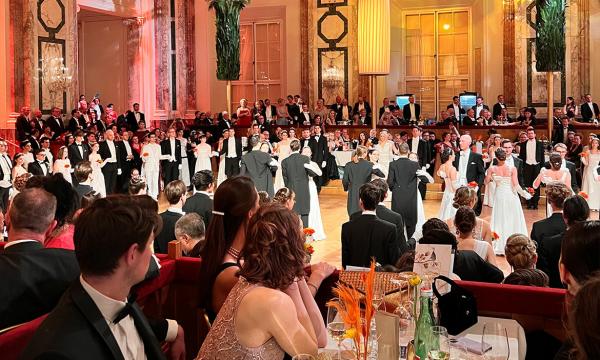
For those seeking a more casual experience, there's the Sweatpants Ball on March 1. "The dress code is right there in the name," Steinhart laughs.
In addition to these modernized options, several balls have been created to provide a more inclusive and comfortable space for non-traditional audiences. The Rainbow Ball, held on January 25, is dedicated to the LGBT community, offering a space where same-sex couples can dance freely.
Other unique events include the Vegan Ball, which features a fully vegan gala dinner, and the Comic Con Ball, where attendees are encouraged to dress as their favorite characters from comics and movies.
Tickets for Vienna's ball season are still available, but some of the more renowned events, such as the Opera Ball (February 27, 2025), already have waiting lists.
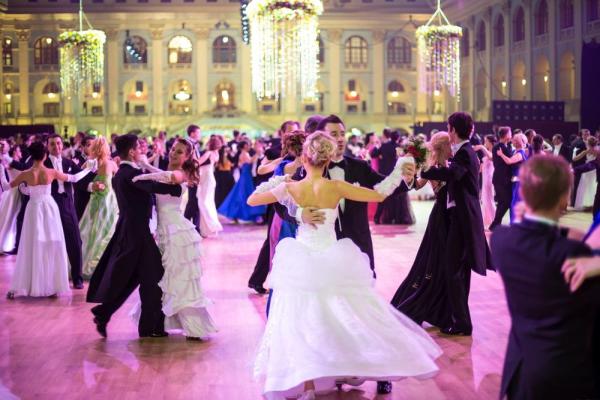
While resale tickets are available online, Steinhart cautions that these platforms are best suited for German speakers, as no official website exists for resale. Visitors also have the option to purchase tour packages that include a ball experience or book stays at hotels like the Almanac Palais, which offers exclusive ball-related packages.


