Hidden facts about cappuccino: Origins, traditions, and global appeal
Cappuccino, a favorite among coffee lovers, holds a fascinating backstory that many people might not be aware of. Its name is linked to the Capuchin friars, a Catholic order recognized for their brown hooded robes.
The color of a cappuccino, formed by combining espresso and milk, closely resembles the shade of these robes, which inspired the drink’s name.
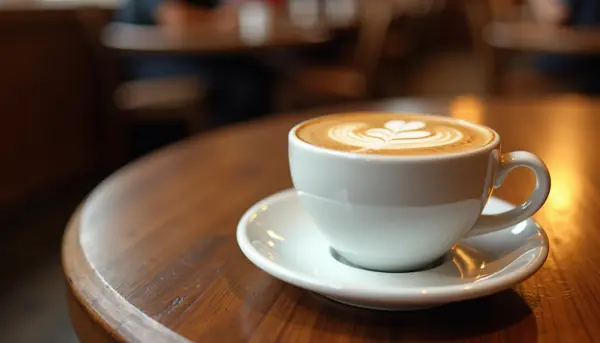
In Italy, cappuccinos are traditionally consumed in the morning, usually before 11 a.m. Italians generally avoid milk-based drinks later in the day, as they believe such beverages can be too rich and might hinder digestion. Instead, they often turn to espresso after meals, appreciating its simplicity and lighter character.
Crafting a cappuccino involves a precise method: equal parts of espresso, steamed milk, and milk foam. This balanced mix delivers a strong coffee taste enhanced by a creamy consistency.
The foam isn’t just for appearance—it plays a practical role by helping to maintain the drink’s temperature for a longer period.

In the United States, cappuccinos began gaining traction around the mid-20th century, especially in cities like Seattle and Portland.
However, their origins are deeply Italian, with cafes in Italy serving cappuccinos regularly as early as the 1930s. The development of espresso machines during and after World War II greatly improved how the drink was made, ensuring more consistent and high-quality results.
The first time the term “cappuccino” appeared in the English language was in 1948, marking its slow but steady rise in popularity outside of Italy.
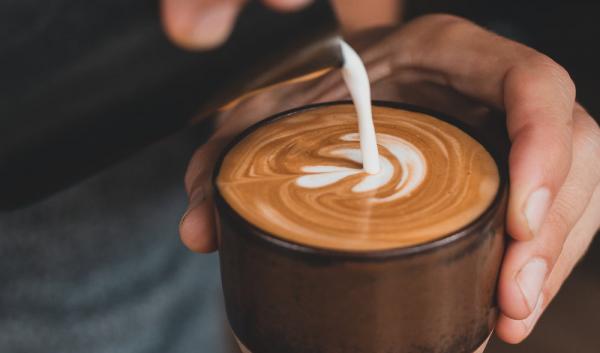
Today, cappuccinos are enjoyed all over the globe, with various interpretations and personal touches depending on regional tastes.
Whether it's the historical connection, the artistry behind its preparation, or the cultural customs surrounding it, the cappuccino continues to be a cherished beverage for many around the world.