The Earth's rotation is changing speed: How it affects time, climate, and technology
The Earth, our ever-moving planet, is undergoing an intriguing shift—its rotational speed is fluctuating. While this may seem insignificant, it can have profound effects on various aspects of daily life, from navigation systems to global climate patterns.
The Earth rotates around its own axis, completing one full spin every 24 hours. This rotation is responsible for the cycle of day and night. For a long time, scientists believed this speed was constant, but studies show that Earth's rotation is not always uniform.

Several factors influence the planet's rotation:
1. Movement of the Earth's core – The Earth's liquid iron core is constantly shifting. Changes in its motion can alter the planet’s mass distribution, impacting rotational speed.
2. Seismic activity – Large earthquakes can redistribute Earth's mass and slightly affect its rotation.
3. Climate change – Melting glaciers and the redistribution of water in the oceans can impact Earth's balance, altering its speed.
4. External gravitational forces – The gravitational interactions with the Moon and the Sun also contribute to variations in rotation.
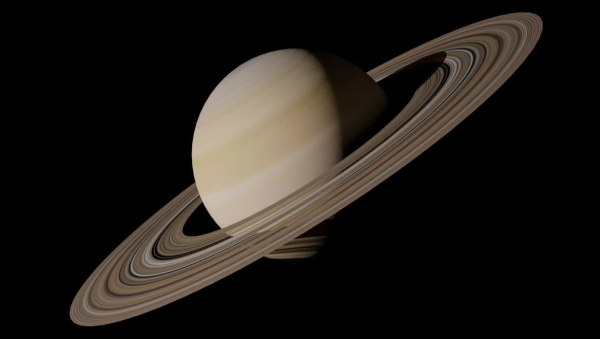
There are some impacts of a faster or slower rotation.
1. Shorter or longer days – If the rotation speeds up, days become shorter; if it slows down, days become longer.
2. Timekeeping and technology – Earth's rotation is crucial for systems like GPS, which rely on highly precise calculations. Even slight changes can cause navigation and communication errors.
3. Weather and climate patterns – Changes in rotation can affect wind currents and oceanic flows, impacting global climate conditions.
4. Effects on daily life – Though these variations are minimal, over time, they can influence human activities such as agriculture, aviation, and even human health.
In 2020, scientists observed that Earth was spinning faster than in previous decades, with the shortest recorded day occurring on July 19, 2020.
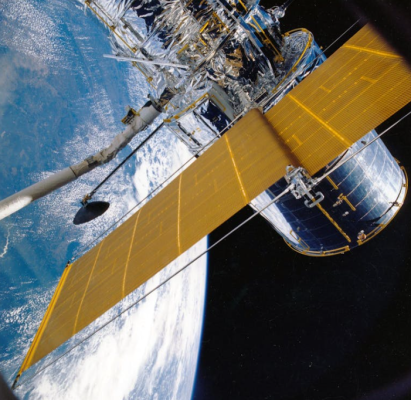
However, there are also periods of deceleration due to factors such as tides and mass shifts within the planet.
While we cannot control Earth's rotation, continuous monitoring is essential. Organizations like the Royal Observatory in Greenwich and other scientific institutions track these changes to adjust atomic clocks and predict potential effects.
The changing speed of Earth's rotation highlights the complexity and interconnectedness of our planet. These subtle variations remind us of the importance of studying Earth's systems so we can adapt to an ever-changing world.