

How much water do you really need?
We've all heard the popular advice: "Drink eight glasses of water a day." It's become such a widely accepted guideline that many people follow it without question. However, the "eight glasses" rule is more of a myth than a one-size-fits-all solution.
In fact, hydration needs vary greatly from person to person based on several factors like activity level, body weight, and environmental temperature.
The idea of eight glasses a day likely originates from a recommendation made in 1945 by the National Research Council. They advised about 2.5 liters (about 8 cups) of water per day, but this included all sources of water—not just what we drink.
This figure was based on the assumption that the average person consumed a moderate amount of food, and it didn’t account for individual needs.
Since then, this guideline has been widely simplified to the idea that "eight 8-ounce glasses" is the magic number. But does it really work for everyone? Let’s take a deeper look.
Activity level
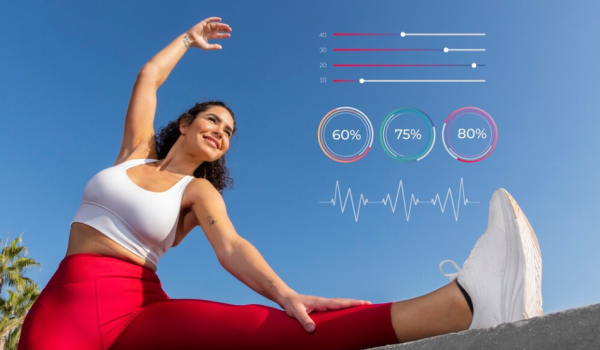
If you're very active or exercise regularly, you’ll need more water to stay hydrated. Physical activity increases fluid loss through sweat, and staying hydrated helps prevent dehydration, improve performance, and aid recovery. On the other hand, if you're sedentary, your water needs will be less than those of someone who exercises daily.
Body size and composition

Larger individuals or those with higher muscle mass tend to need more water. Muscle holds more water than fat, so a person with a greater muscle-to-fat ratio may require additional hydration to compensate for the fluid contained in their body.
Climate and temperature
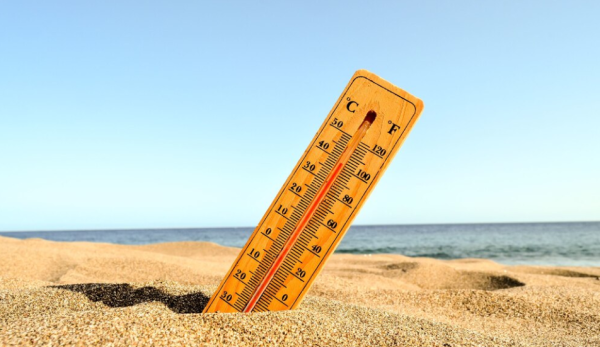
The weather can also impact your hydration needs. Hot or humid environments cause you to sweat more, increasing your fluid loss and necessitating higher water intake. Similarly, if you live in a dry climate, you may lose more water through evaporation, further raising your water requirements.
Health and medications

Certain health conditions, such as kidney problems or heart conditions, may affect how much water you need. Additionally, some medications can cause increased fluid loss or dehydration, so you may need to adjust your water intake accordingly.
Rather than following the "eight glasses" rule blindly, it’s best to listen to your body. Here are a few signs that you might need more or less water:
- Signs you need more water: Thirst, dry mouth, dark yellow urine, and fatigue can all be signs that your body needs more hydration.
- Signs you’re drinking too much water: Clear urine (without any color), bloating, or frequent urination can indicate over-hydration, which may cause electrolyte imbalances in rare cases.
Instead of relying on a generic guideline, a good rule of thumb is to drink when you're thirsty and adjust your intake based on factors like physical activity, weather, and diet.

Some foods, like fruits and vegetables, also contribute to your daily water intake. You don’t always need to drink plain water to stay hydrated—other beverages like herbal teas or milk, and even soups, can help.
In general, aiming for a steady intake of water throughout the day, rather than consuming large amounts all at once, will help maintain proper hydration.
While the "eight glasses of water a day" advice may be a useful starting point for some, it's important to recognize that hydration needs are highly individual.
Your personal hydration needs depend on factors like activity, climate, body size, and overall health.

By listening to your body and adjusting your intake as needed, you'll be better able to maintain optimal hydration for your unique lifestyle.
So, the next time someone tells you to drink eight glasses of water a day, you can confidently explain that the ideal amount is far more flexible than that. Hydrate smart, not just by the numbers!


