

Link between ultraprocessed foods and premature death: New study raises concerns
A recent meta-analysis involving over 240,000 individuals has found that increasing the consumption of ultraprocessed foods raises the risk of premature death from any cause. The study specifically looked at individuals between the ages of 30 and 69, a time when death is considered premature.
For each 10% increase in calories from ultraprocessed foods, the risk of dying prematurely rose by nearly 3%, according to the study's coauthor, Carlos Augusto Monteiro, a professor emeritus of nutrition and public health at the University of São Paulo.

Monteiro is credited with coining the term "ultraprocessed" in 2009 when he developed the NOVA classification system.
This system categorizes foods based on their level of processing, with Group 1 representing natural or minimally processed foods (like fruits, vegetables, meat, milk, and eggs), Group 2 containing culinary ingredients (such as salt, herbs, and oils), Group 3 including processed foods made from Groups 1 and 2 (like canned goods and frozen vegetables), and Group 4 consisting of ultraprocessed foods, which are made with industrial formulations and contain little to no whole food.
These ultraprocessed foods are manufactured using cheap, chemically altered ingredients and often contain synthetic additives to improve taste, preservation, and addictiveness.
Monteiro argues that the human body may not be able to fully adapt to these products, as they could be perceived as harmful or useless, potentially leading to damage to vital systems, depending on individual vulnerabilities and the amount consumed.
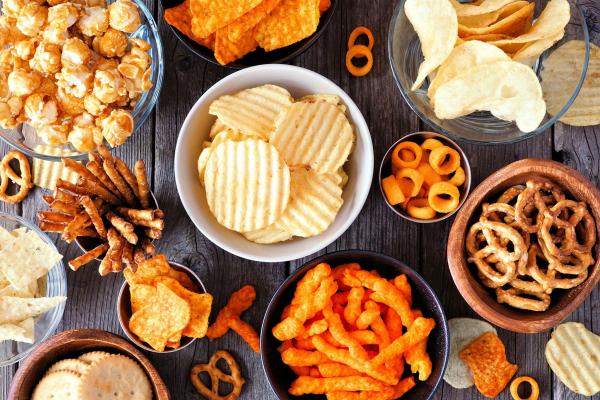
Industry representatives, however, have criticized the study, claiming it could lead to confusion among consumers. Sarah Gallo, senior vice president of product policy at the Consumer Brands Association, stated that demonizing affordable, convenient foods could limit access to nutrient-dense foods and result in poorer diet quality, higher foodborne illness risks, and worsened health disparities.
This study isn't the first to link ultraprocessed foods to negative health outcomes. Earlier studies have shown that those who consume more ultraprocessed foods face a significantly higher risk of cardiovascular diseases, anxiety, obesity, sleep disorders, type 2 diabetes, depression, and premature death.
A study from February 2024 found that eating more ultraprocessed foods increased the risk of death from heart disease by 50%, while other health risks, such as anxiety and obesity, also saw notable increases.

These studies considered a higher intake as just one extra serving of ultraprocessed foods per day or a 10% increase in total consumption.
Additional research has suggested that even small increases in ultraprocessed food consumption can raise the risk of cognitive decline, stroke, and certain cancers. In fact, it’s estimated that up to 70% of the food supply in the U.S. is ultraprocessed, with children and adults consuming a significant portion of their calories from these foods.
A global estimate in the recent study suggested that in countries with high ultraprocessed food consumption, nearly 14% of premature deaths could be prevented if consumption were reduced to zero, whereas in countries with lower consumption, the figure was closer to 4%.
However, nutrition experts have cautioned that the study cannot definitively establish causation between ultraprocessed food consumption and death. Dr. Nerys Astbury from the University of Oxford explained that the study’s methods were not able to confirm whether ultraprocessed foods were directly responsible for the deaths.

The U.S. was found to have the highest consumption of ultraprocessed foods globally, with almost 55% of the average American’s diet made up of these foods. Researchers estimate that eliminating ultraprocessed foods in the U.S. could have prevented over 124,000 deaths in 2017.
In comparison, countries with lower consumption levels, like Colombia and Brazil, would have prevented thousands of deaths if ultraprocessed food intake were reduced to zero.
However, experts argue that eliminating these foods entirely is unrealistic in today’s society, and that the study may have overestimated the impact of ultraprocessed foods on early deaths.
Despite the challenges in proving a direct cause-and-effect relationship, Stephen Burgess, a statistician at the University of Cambridge, acknowledged that the study offers important evidence linking ultraprocessed food consumption to poorer health outcomes.

While it’s possible that other factors, like physical fitness, could be the true risk drivers, the study's repeated findings across diverse countries raise concerns about the potential harms of ultraprocessed foods.


