How national holidays reflect the soul of a country
When we think of national holidays, we often imagine fireworks, parades, or a day off work. But look closer, and these commemorative events reveal a nation’s values, fears, history, and aspirations.
They are more than mere traditions—they are cultural mirrors. One of the most vivid examples is Bonfire Night in the United Kingdom, a celebration with centuries-old roots that continues to evolve in meaning.
When placed beside other national holidays like Independence Day in the United States or Bastille Day in France, we see just how deeply holidays are woven into the identity of a people.
Bonfire Night (UK)

Each year on November 5, the skies over Britain glow with fireworks and bonfires. Children craft effigies of Guy Fawkes and chant, “Remember, remember, the Fifth of November.” The event marks the foiling of the Gunpowder Plot of 1605, in which Fawkes and a group of Catholic conspirators tried to blow up Parliament and assassinate King James I. Originally a celebration of national salvation and Protestant victory, Bonfire Night had an overtly political and religious message.
Over time, however, its tone shifted. In modern Britain, Bonfire Night has shed much of its anti-Catholic sentiment. For many today, it’s a community event: a night of firework displays, hot drinks, and autumnal fun. While the historical origin isn’t forgotten, it’s increasingly viewed through a lens of historical curiosity rather than political allegiance.
Yet, the soul of the tradition remains rooted in the idea of public unity against internal threat—a reflection of Britain’s long and complex relationship with authority, rebellion, and religious conflict.
Independence Day (USA)
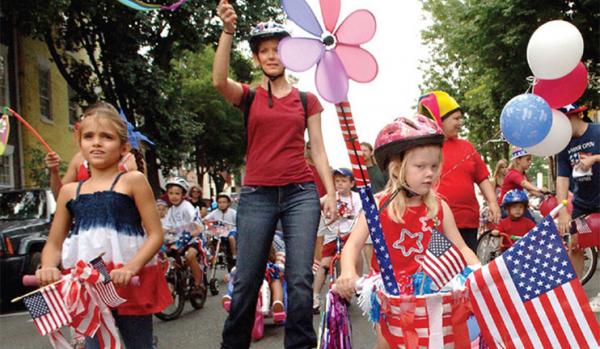
Contrast that with July 4th in the United States. Here, the celebration centers on independence from British colonial rule, marked by the adoption of the Declaration of Independence in 1776. Fireworks, flag-waving, and speeches evoke themes of freedom, democracy, and national pride.
The American holiday is inherently optimistic. It focuses not on foiled plots, but on triumphant revolution. Yet, in recent years, the day has also prompted reflection on the gaps between those founding ideals and modern realities—issues like systemic inequality, representation, and civil rights. As debates about national identity grow more complex, the meaning of Independence Day continues to evolve.
Bastille Day (France)

Then there's Bastille Day—July 14 in France—commemorating the storming of the Bastille prison in 1789, a key moment in the French Revolution. The holiday is a celebration of popular uprising against tyranny, often marked with military parades, fireworks, and civic events.
France's national identity is deeply tied to revolutionary values—liberty, equality, fraternity—and Bastille Day is both a celebration and a reminder of the cost of those principles. Yet modern celebrations are often criticized for feeling disconnected from the revolutionary fervor they commemorate, raising questions about how historical meaning is preserved or diluted over time.
What these holidays reveal?

Though different in tone and content, these holidays all showcase a central truth: National holidays are never just about the past—they are about how a nation chooses to remember the past.
Bonfire Night reflects a nation once obsessed with internal threats and now interested in history, folklore, and community.
Independence Day reveals an ongoing belief in founding ideals, even as those ideals are questioned and reinterpreted.
Bastille Day dramatizes the French belief in the power of the people and the ongoing tension between revolution and institution.
Each holiday is a living ritual, shaped by political context, cultural shifts, and generational memory. They invite citizens to gather, not just in celebration, but in collective contemplation of who they are.

As global societies become increasingly diverse and interconnected, national holidays may serve new purposes—not only to honor tradition, but to spark dialogue, promote inclusivity, and reimagine shared values. In this sense, Bonfire Night and its counterparts are not just festivals—they are flickering flames of national identity, casting light on where a country has been, and where it might go next.