How the first cartoon costumes brought animated characters to life
The origins of cartoon costumes trace back to the earliest days of animation when characters were just beginning to capture the imagination of audiences around the world. In the late 19th and early 20th centuries, animation was a novel form of entertainment.
Early cartoons were simple, often black-and-white shorts where characters were designed more for clarity and expressive movement than for elaborate costumes. Characters like Felix the Cat, one of the first animated stars, relied mostly on their natural features—such as Felix’s black fur and large white eyes—without wearing any distinct clothing.

The concept of cartoon costumes began to develop as studios realized that a character’s visual identity was key to making them memorable. This evolution reached a turning point with Walt Disney’s creation of Mickey Mouse in 1928.
Mickey’s simple but colorful outfit, including his red shorts, white gloves, and oversized shoes, helped establish a strong personality and made him instantly recognizable. The use of white gloves, common among early cartoon characters, had a practical reason behind it: they made the characters’ hand movements easier to see against monochrome backgrounds.
Over time, these gloves became an iconic part of the character design, even as animation transitioned into color.

As cartoons became more sophisticated, costumes began to serve a storytelling purpose. They revealed aspects of a character’s personality, status, or role within the narrative.
For instance, Donald Duck’s sailor outfit not only suited his name but also reflected his fiery temperament and adventurous spirit. Studios beyond Disney, such as Warner Bros., also developed distinct costumes for their characters—Bugs Bunny’s confident and cheeky personality was reflected in his casual, cool demeanor, while Daffy Duck’s designs emphasized his zany, unpredictable nature.
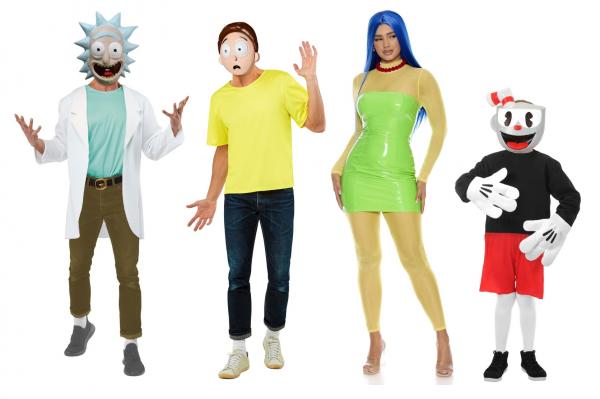
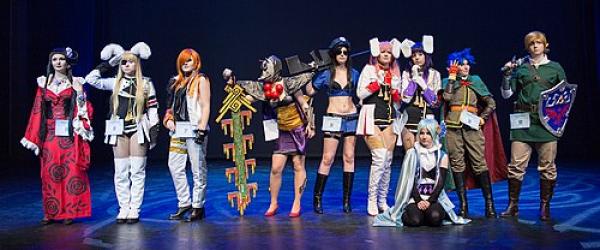
The influence of these early cartoon costumes extended beyond the screen and into real life. Fans started to dress up as their favorite animated characters for social gatherings, theater performances, and eventually conventions. The first real-life cartoon costumes were often handmade, crafted from simple materials to replicate the look of beloved characters.
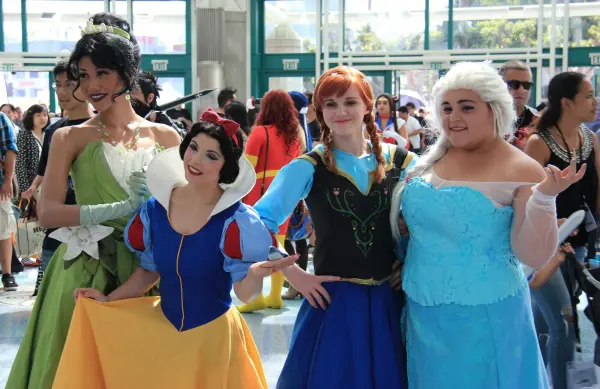
By the 1930s and 1940s, theme parks like Disneyland began featuring costumed characters portrayed by actors. These costumes had to strike a balance between authenticity and practicality, enabling performers to move freely while still embodying the animated personas.
The legacy of these early cartoon costumes is still visible today. Whether it’s Halloween costumes, cosplay at conventions, or the characters seen at theme parks, the basic principles established in the early days of animation continue to guide how cartoon characters are brought to life.
These initial designs proved that a few distinctive costume elements could create characters that are timeless and universally loved. From simple black-and-white drawings to colorful, immersive experiences, cartoon costumes have become an essential part of animation culture and its ongoing appeal.