

The fascinating history of the first bakeries in the world
Baking is one of humanity's oldest culinary arts, dating back thousands of years. The first bakeries were not just places to buy bread, but essential hubs for the community, serving both practical and symbolic roles. Let’s take a journey through time to uncover the origins of the first bakeries and the evolution of bread-making.
The story of the first bakeries can be traced back to ancient Egypt around 4,000 BCE. Egypt, known for its fertile Nile River Valley, was home to some of the earliest advancements in agriculture. The Egyptians were among the first to cultivate wheat and barley, two essential ingredients for bread-making.
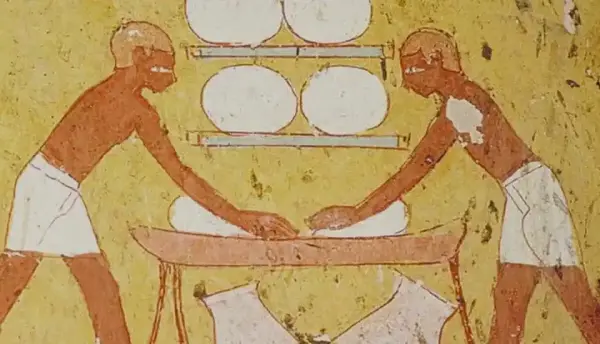
Baking techniques were refined, and the Egyptians are credited with developing the earliest forms of leavened bread. They used naturally occurring yeast, which they likely discovered by leaving dough out and allowing wild yeast from the air to ferment it. This process resulted in a softer, airier bread.
The first bakeries in Egypt were often small, family-run establishments, but over time, they grew into organized workshops. These early bakeries were mostly in urban areas, particularly near the tombs of the pharaohs, where they would bake bread for the workers who built the great pyramids.
Meanwhile, in ancient Mesopotamia (modern-day Iraq), a similar process was taking place. By 3,000 BCE, the Sumerians had developed advanced baking techniques. In fact, the first recorded bakery may have been established in the city of Ur, one of Mesopotamia's most important cities.
The Sumerians were among the first to create large, commercial-scale bakeries. Archaeological excavations have revealed ancient brick ovens, which would have been used to bake bread in large quantities. The Mesopotamians also made a variety of breads, using different grains like wheat, barley, and millet.
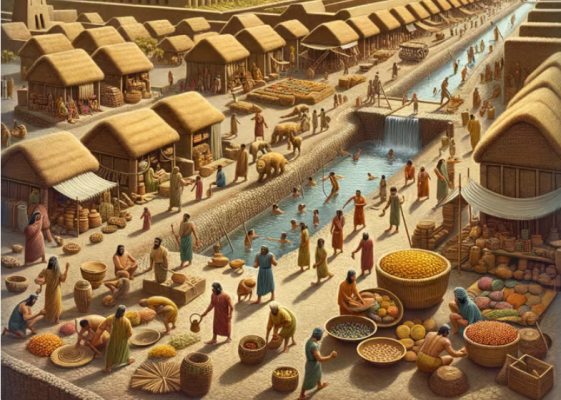
Sumerian bakeries were likely part of the larger trade system, providing food for the city’s workers and merchants. Bread was a staple food, and it was often offered as a religious sacrifice to the gods, reflecting its significance in both daily life and spiritual practices.
By the time of ancient Greece (around 600 BCE), baking had become a more organized and commercialized trade. The Greeks are credited with perfecting the art of making pastries and cakes, as well as refining the process of leavening bread with yeast. The Greek word for bakery, "arotropheion," meant "place for feeding the workers."
Ancient Romans took baking to new heights. The Romans were excellent engineers, and they created massive public bakeries known as "pistrina" that were often state-run and could bake thousands of loaves of bread per day. These bakeries were so advanced that they had large mechanical mills and ovens fueled by slaves or animals. The Roman Empire’s vast network of roads ensured that bread and baked goods could be distributed across a vast region, marking the first widespread commercial baking industry.
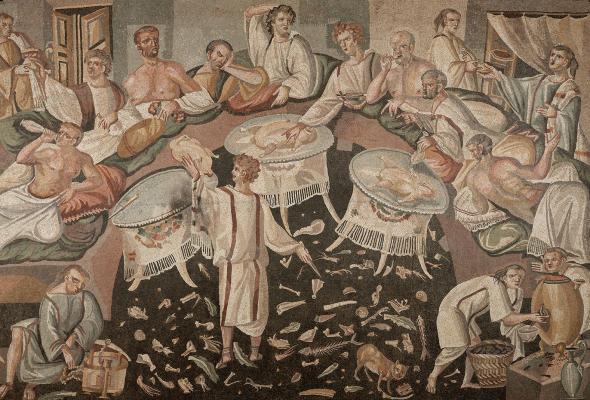
The Romans also introduced new types of bread, including more refined and luxurious options made with white flour, which was reserved for the elite.
In medieval Europe (around the 12th century), bakeries became central to daily life. These establishments were often located in the towns and villages, where they were not only places to purchase bread but also important social hubs. In addition to bread, bakeries began making pastries and pies, which were often used in feasts and celebrations.
During this time, the first guilds of bakers were formed. These guilds regulated the quality of bread, set prices, and ensured fair practices. In some parts of Europe, laws were even enacted to regulate the size and weight of loaves of bread to prevent fraud.

Bakeries in medieval times were typically simple, with stone or brick ovens that were fired with wood. The process was labor-intensive, and baking was a specialized craft passed down through generations.
By the Renaissance period (14th to 17th century), bread-making had evolved into a true craft. In cities like Florence, Venice, and Paris, bakeries flourished. These bakeries became more sophisticated, with better ovens and more refined techniques. The rise of the bourgeoisie and the increasing demand for high-quality bread led to the growth of artisan bakeries.

The French are credited with elevating the art of baking, especially with the invention of the croissant and other delicate pastries. France became a baking hub, and the French baguette, in particular, became an iconic symbol of French culture.
With the Industrial Revolution came the mechanization of bread production. The introduction of steam-powered ovens and the use of commercial yeast in the 19th century revolutionized baking. Bakeries became more efficient, allowing bread to be produced on a massive scale.
The invention of the sliced bread machine in 1928 by Otto Rohwedder forever changed the way bread was consumed. Pre-sliced bread became an affordable convenience for the masses, and bakeries adapted to meet the demand for packaged, mass-produced goods.
Today, bakeries are as diverse as the cultures they come from. Some are large, commercial operations, while others are small artisan shops that emphasize quality and craftsmanship. Despite the changes in baking technology, the appeal of freshly baked bread continues to captivate people around the world.

The first bakeries in the world were more than just places to buy food; they were centers of culture, trade, and community. From ancient Egypt to modern-day Paris, the evolution of baking reflects the development of human civilization itself. Bread, once a humble food, has become a symbol of innovation, craftsmanship, and the enduring human need for nourishment and connection.
As we enjoy a loaf of bread or a pastry today, it’s fascinating to think about the long history that led to the creation of the world’s first bakeries, where people gathered not only to feed their bodies but to nurture a shared sense of community and tradition.


