
How warm should your house be?
When it comes to maintaining the perfect temperature in your home, it’s about more than just comfort—it also affects your health, energy efficiency, and overall costs. So, how warm should your house really be?
The ideal temperature can vary depending on your lifestyle, the season, and the room you’re in, but there are general guidelines you can follow to ensure you're getting it just right.
Experts generally agree that the optimal temperature for comfort in a home is between 68°F and 72°F during the daytime when you're awake and active. This range provides a good balance—warm enough to keep you comfortable without overworking your heating system or wasting energy.
However, if you find this range too warm or too cold, feel free to adjust it slightly to meet your needs. It’s all about what feels best for you.

At night, most people find it more comfortable to set the temperature a little lower for sleep. Sleep specialists recommend a cooler room for better rest, with the ideal temperature falling between 60°F and 67°F.
A cooler environment helps your body naturally lower its core temperature, making it easier to fall asleep and stay asleep.
Personal preferences play a significant role in determining the temperature in your home. Some people are more sensitive to heat or cold than others, so what feels comfortable for one person might not work for someone else.
If you live with family members or roommates, it may take some trial and error to find a compromise that suits everyone’s comfort levels.
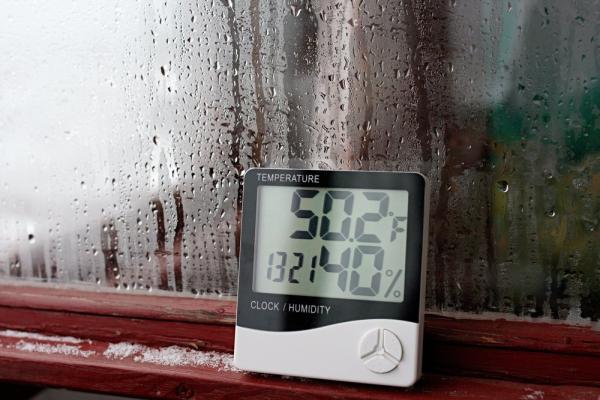
Humidity is another important factor to consider. Temperature alone doesn’t determine comfort—humidity plays a crucial role. High humidity can make warm air feel even hotter, while dry air can make cooler temperatures feel even colder.
Keeping your indoor humidity levels between 30% and 50% is ideal to ensure comfort and avoid issues like dry skin, respiratory discomfort, or the growth of mold.
Your activity level also affects how warm your house should be. If you’re cooking or exercising, your body naturally generates more heat, so you may want to adjust the thermostat to a slightly cooler setting.
On the other hand, if you’re relaxing or working at a desk, a slightly warmer temperature may feel better.
Not all rooms in your home need to be the same temperature. For instance, living rooms and kitchens are typically kept warmer—around 68°F to 72°F—while bedrooms are generally cooler to promote better sleep, with temperatures between 60°F and 67°F.
Bathrooms often require a little more warmth, especially in colder weather, so a temperature of about 72°F is usually comfortable.
Basements or other unheated spaces may be kept cooler, but it's important not to let them get too cold, as this could lead to dampness or even frozen pipes in extreme cases.
While comfort is essential, it’s also important to think about energy efficiency to avoid high heating bills. Here are a few tips to optimize your home’s warmth without wasting energy.
Investing in a programmable thermostat can help by automatically adjusting the temperature based on when you’re home or asleep.

You can lower the temperature while you're out or sleeping and raise it before you return or wake up, saving both energy and money.
Layering clothing is another effective way to maintain comfort without cranking up the heat. Wearing sweaters, slippers, and using cozy blankets allows you to keep the thermostat lower while still feeling warm.
Proper insulation and sealing gaps around windows and doors can also make a big difference. Air leaks can waste a lot of heat, so ensuring your home is properly insulated will help keep the warm air inside and prevent cold air from seeping in. This makes it easier to maintain your ideal temperature without using excessive energy.
Using space heaters for frequently used rooms, like a home office, can also help keep those areas warm without needing to heat the entire house. Just be sure to use them safely and turn them off when you’re not around.
The temperature in your home can also be influenced by the season. During the winter, most people turn up the heat to combat the cold weather outside, while in the summer, air conditioning systems take over to maintain a cooler environment.
Seasonal changes can impact how we feel about the temperature in our homes. On particularly cold days, it’s tempting to turn up the heat, but it's important not to overdo it.
In the winter, most homes are kept at warmer temperatures between 68°F and 70°F during the day, with the temperature lowered to 60°F to 65°F at night when you're sleeping.

This helps conserve energy while still keeping you comfortable. In the summer, if you're using air conditioning, setting the thermostat to around 75°F to 78°F helps strike a balance between comfort and energy efficiency.
Ultimately, the ideal temperature for your home depends on personal preferences, time of day, and how efficiently you want to use energy.
The key is to find a balance that keeps you comfortable, supports a good night’s sleep, and doesn’t waste energy.
By following simple guidelines and making small adjustments, you can ensure your home remains at the perfect temperature all year round.


