

Human nose can remember up to 50,000 different smells
The human nose is an impressive organ, and beyond simply detecting odors, it has a remarkable ability to memorize and distinguish a wide variety of scents.
A recent study revealed that humans are capable of remembering up to 50,000 different smells throughout their lives.
Smell, one of the five human senses, has been extensively studied by scientists, and this new study shows that it has much more potential than previously imagined.

A study conducted by researchers at Rockefeller University in New York demonstrated that the human brain can store and identify thousands of smells, far more than previously thought.
Until now, it was believed that humans did not have as developed an olfactory memory as other animals, like dogs, known for their exceptional sense of smell.
The research involved exposing participants to a wide variety of odors and analyzing their ability to recognize and identify those substances years later.

The results surprised the scientists: the human brain showed an ability to identify around 50,000 different smells with great precision.
According to Dr. Pamela Dalton, one of the lead researchers, "The human sense of smell has an impressive capacity to detect nuances and variations in odors, something that may have evolved over time to help us detect dangers or identify food and mates."
Olfactory memory is particularly strong when associated with emotions or personal experiences, which explains why certain smells can bring vivid memories of specific moments.
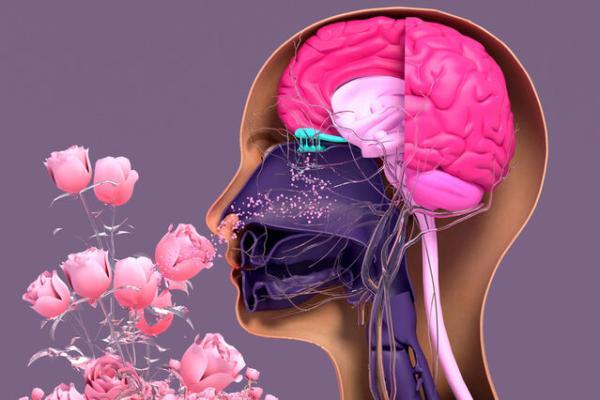
Smell not only helps us detect flavors or pleasant odors but also plays a vital role in our survival. For example, it allows us to detect spoiled food, sense smoke, or identify environmental risks.
Additionally, smell is closely linked to the emotional system, meaning certain smells can trigger feelings of nostalgia, happiness, or even distress.
A better understanding of the human nose's ability to remember and distinguish smells could have various implications for health and industry. In healthcare, it may lead to new treatments for individuals with a loss of smell, known as anosmia.

For the fragrance and food industries, the research could inspire innovations in creating products that further evoke emotional responses through scent.
Furthermore, the discovery of the surprising number of smells the nose can store opens up possibilities for new approaches in olfactory therapies and highlights the importance of smell in our daily lives.
Although the sense of smell has never received as much attention as sight or hearing, this study reveals the complexity and importance of this sense.

With the ability to remember up to 50,000 different smells, the human nose proves to be a much more sophisticated and fascinating organ than we imagined.
As more research is conducted, it’s likely that even more will be discovered about the power and functions of our sense of smell.


