I never got married because I raised my brother’s twin sons on my own, and I was shocked by what they did once they turned 18.
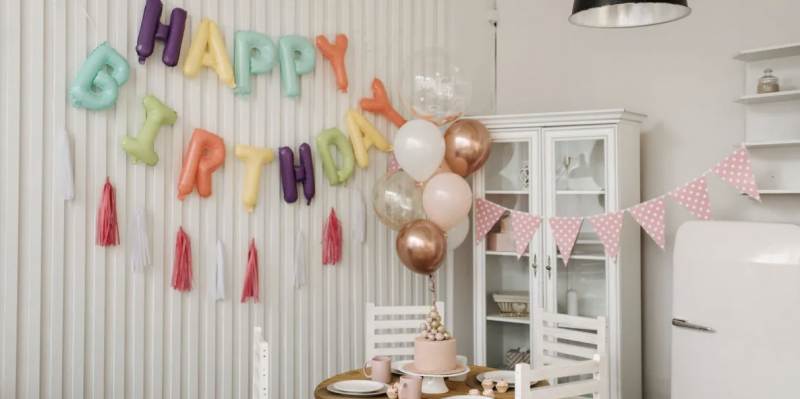
Morning light poured across my kitchen counter as I lined up eighteen candles on a chocolate cake I had baked before sunrise.
Thirteen years had passed since my brother’s death.
Somehow, I had carried his two frightened five-year-old twins all the way to this day.
I glanced toward the framed photo of Caleb in the hallway.
I never imagined that by nightfall, I would be crying.
The doorbell rang.
Aunt Marta came in first, carrying a casserole dish.
She kissed my cheek. “You look exhausted… and somehow still beautiful.”
“That’s basically my entire life for thirteen years,” I said with a small laugh.
“Where are the birthday boys?”
“Upstairs getting ready. They’ve been whispering all morning about something.”
Soon the house filled with voices, laughter, and the smell of garlic bread.
Mason wore a navy blazer, while Noah kept adjusting his collar nervously.
“Stop fussing,” I said, straightening it for him.
“Aunt, please,” Noah said, stepping back. “I’m eighteen now. I can handle it.”
Something about his tone felt unfamiliar, but I ignored it.
Growing up always comes with awkward confidence.
Mason tapped his glass during dinner.
“We just want to thank everyone for coming,” he said, “especially the woman who raised us.”
A soft “aww” went around the room.
My eyes stung instantly.
“Speech!” Aunt Marta called.
“Later,” Mason said quickly. “We’ve got something planned after.”
They leaned toward the cake.
“Make a wish,” I said.
They exchanged a glance, rolled their eyes slightly, then blew out the candles together.
By ten, guests were leaving.
Aunt Marta hugged me at the door.
“You raised good men,” she whispered.
I smiled, then returned to the kitchen, already imagining a quiet moment with them afterward.
The last door closed.
Mason and Noah exchanged a look I didn’t understand.
“Aunt, we need to talk,” Noah said.
“Give me a minute, sweetheart.”
“Now,” Mason insisted.
Something in his voice made me sit down immediately.
I studied their faces.
The warmth from earlier was gone.
“You’re scaring me,” I said lightly. “Did something happen?”
Mason pulled a thick manila envelope from his jacket and slid it across the table.
The sound of it scraping the wood felt wrong.
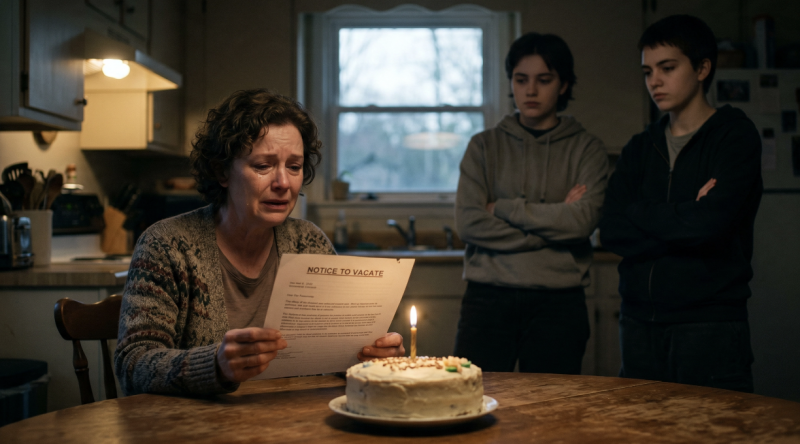
I opened it.
Inside was a formal document with a law firm’s header.
I read the first line several times before it made sense.
“NOTICE TO VACATE.”
“I don’t understand,” I said.
“You have thirty days,” Mason replied. “The house was left to us.”
“We turned eighteen today,” Noah added. “So it’s legally ours now.”
“I’ve paid taxes on this home for years so you’d still have it,” I said.
“We appreciate it,” Noah replied flatly. “But things are different now.”
“How different?”
Mason folded his hands.
“We’re selling it,” he said. “There’s already a buyer.”
“It’s a good offer,” Noah added. “We’re taking it.”
I stared at them.
“You’re selling your father’s house? Your home?”
“It’s an asset,” Mason said.
“It’s our home,” Noah corrected. “And we want to move forward.”
“Where am I supposed to go?” I asked quietly.
“You’ll manage,” Mason said. “People rent places.”
“I raised you,” I said, my voice breaking. “I gave up everything.”
“We never asked you to,” Noah replied.
That sentence felt like a slap.
“You were five,” I whispered. “You couldn’t ask anything.”
Mason leaned back.
“We don’t want drama. We spoke to a lawyer. Everything is legal. The buyer wants a fast close, so start packing.”
“You got a lawyer?” I asked. “Why are you doing this?”
Noah’s jaw tightened slightly.
“We want our own lives. Keeping you here doesn’t fit that.”
“What plan?”
“Travel. Invest. Start something,” Mason said. “The sale funds it.”
“And you being here slows us down,” Noah added.
Then he said, almost casually, “You lived here rent-free for thirteen years. You owe us.”
Something cold spread through my chest.
I had raised them, loved them, sacrificed everything.
Now they looked at me like I was an inconvenience.
I didn’t know then that before those thirty days ended, their lives would be shaken by the last person they expected.
Their dead father.
The next morning, strangers walked through my home.
Agents measured rooms, photographed walls, talked about changes.
“Excuse me,” I said. “That’s my bedroom.”
“The owners approved full access,” one said without looking up.
Owners.
As if I were nothing.
I called lawyers.
Each one gave the same answer.
“Your name isn’t on the deed,” one said gently. “You had guardianship, not ownership.”
“But I raised them,” I said. “I paid for everything.”
One lawyer leaned forward.
“They started this the moment they turned eighteen. That was planned.”
That hit harder than anything else.
While I baked their cake, they were already preparing this.
That night I confronted them.
“When did you decide I wasn’t family anymore?”
Mason drank orange juice casually.
“We’ve thought about it for years.”
“We expected tears,” Noah said. “Not this reaction.”
“Not this reaction?” I repeated.
“We want freedom,” Noah continued. “Everyone our age does.”
“We want cars, travel, freedom,” Mason added.
“The house was holding us back,” Noah said.
Mason even chuckled.
“Owed?” I whispered. “You act like I did this for profit. I saved you from the system.”
“You did what anyone would,” Mason said.
That night, the house stopped feeling like home.
I lay awake thinking about every decision I had made.
I thought of Caleb.
“I’m sorry,” I whispered into the dark. “I tried.”
The third week, I began packing.
I used cardboard boxes from a store.
I wrapped photos carefully, unsure if I could ever look at them again.
Some nights I cried on the floor until I had nothing left.
Other nights I just stared at the ceiling, questioning everything.
On day twenty-eight, Mason appeared.
“The buyers want faster closing,” he said. “You’re out by Friday.”
“Friday is two days away.”
“Then hurry.”
He left immediately.
I sat surrounded by half-packed boxes.
Only one place remained untouched.
The attic.
That was where Caleb had kept his things.
I climbed up slowly for what felt like the last time.
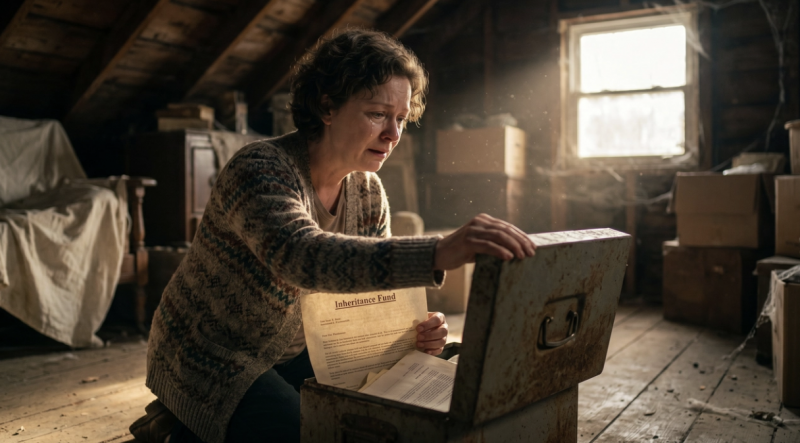
While moving an old metal box, it fell and broke open.
Inside was a yellowed envelope with my name in Caleb’s handwriting.
My hands shook as I opened it.
Legal documents.
A trust summary for the boys.
Then another page made me freeze.
GUARDIAN BENEFIT FUND.
A separate account.
Money set aside for whoever raised his children if something happened to him.
I had never known.
The amount made my vision blur.
It was enough to live comfortably and buy a home outright.
There was a note:
If they are reading this with you, I hope they understand love is repaid with gratitude.
Footsteps rushed upstairs.
“We need to talk,” Mason said sharply.
“The inspector found damage,” Noah added. “It’ll cost forty thousand. You’ll pay.”
I slowly stood, placing the papers in my bag.
“Why would I?”
“Because you owe us,” Mason said.
I looked at them—no longer the boys I raised, but strangers.
“I owe you nothing,” I said.
“You can’t leave,” Noah said.
“I can.” I handed them the keys.
Mason took them, confused.
“That fund your father left,” I said. “It was meant for the person who raised you.”
They froze.
“He planned for your future,” I said. “But he didn’t forget who made it possible.”
Both looked shaken.
“Enjoy the house,” I said quietly.
I walked out.
My car was already packed.
I left without looking back.
Later I learned I wasn’t alone in walking away.
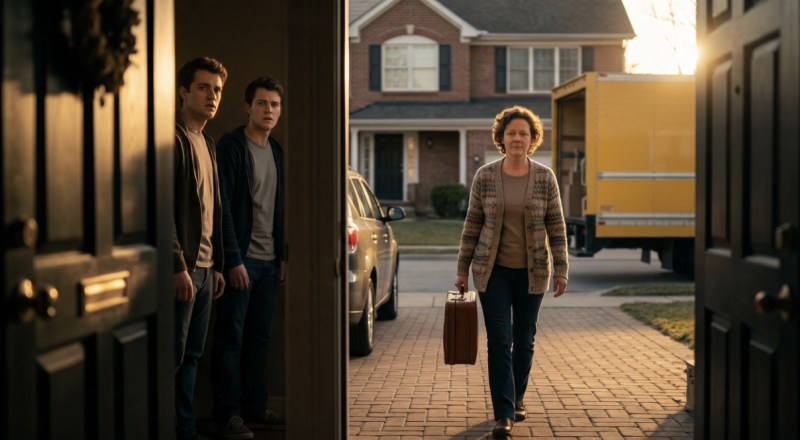
Aunt Marta arrived that afternoon with help and trucks.
Relatives came too.
News had spread.
People who once praised the boys now condemned them.
Not for wanting the house—but for discarding me.
As boxes were loaded, one cousin looked at the inspection report.
Then at them.
“Funny how houses collapse when the support inside is removed.”
Neither answered.
For thirteen years, I had been the foundation.
Now they would learn what happens without it.